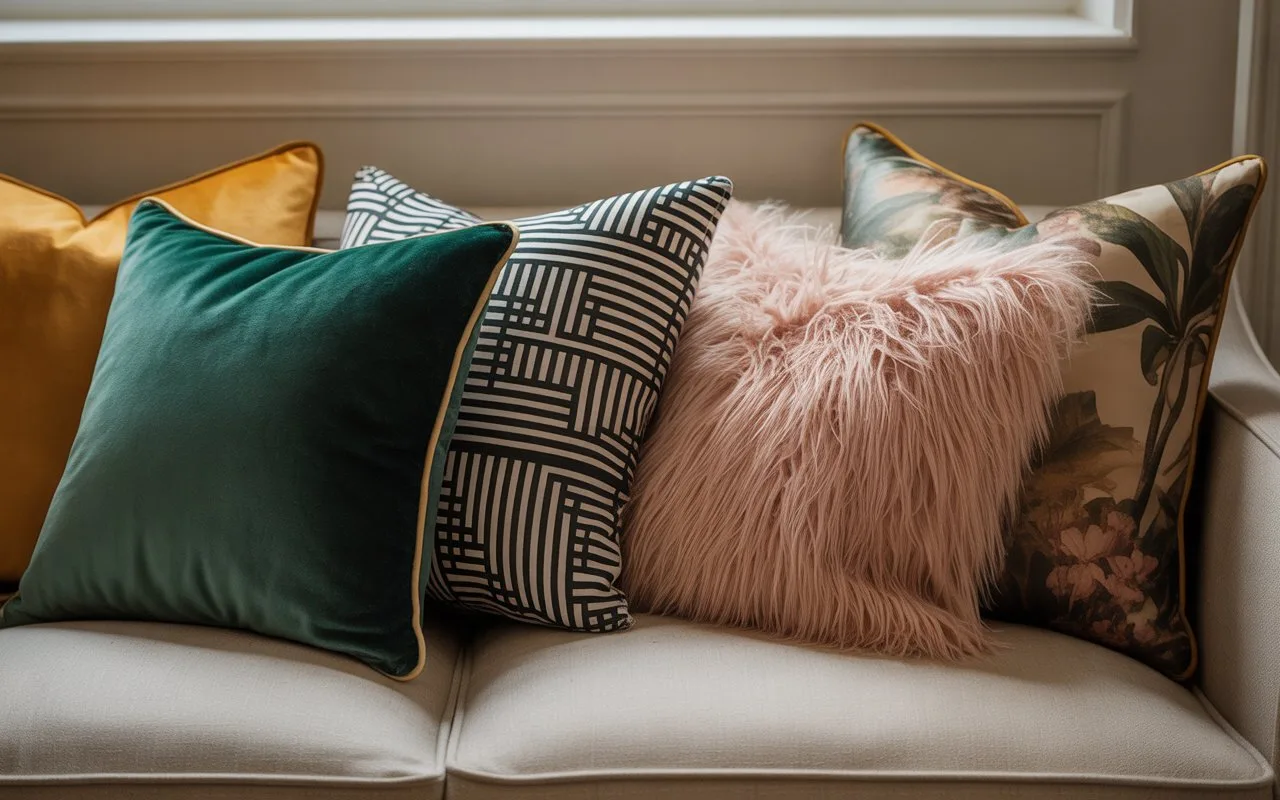
You probably don’t think much about cushions. Most people don’t. They sit there quietly on the sofa, tossed onto a bed, waiting in the corner chair. But remove them for a day and suddenly the whole room feels strange. Empty. A little cold even.
That’s the thing about cushions. They work silently.
A living room without them can feel like a conversation with no emotion. Technically fine. But missing warmth.
Some people buy cushions only for decoration. Others care more about comfort. Truth is, the best spaces usually have both. Softness and style together. Like coffee with the perfect amount of sugar.
This article explores everything about cushions. The comfort they bring, the styles people love, the materials inside them, and why these soft little accessories somehow became such a huge part of modern homes.
Why Cushions Matter More Than People Think
A few years ago, someone visited a friend’s new apartment. The furniture was expensive. The walls looked perfect. Everything was clean and modern.
But something felt off.
Then it became obvious. There were no cushions anywhere. The sofa looked stiff. The bed looked unfinished. Even sitting down felt awkward somehow.
Funny, right?
One small detail changed the feeling of the entire home.
Cushions don’t just support your back. They soften spaces emotionally too. They make rooms feel lived in. Human. Comfortable.
And honestly, after a long exhausting day, throwing yourself into a pile of soft pillows feels almost therapeutic.
The Many Different Types of Cushions
Not all cushions are made for the same purpose. Some are designed to support your body. Others exist mostly to make a room look beautiful.
Sometimes they do both.
Seat Cushions
These are common on dining chairs, benches, and office seating. They provide padding so people can sit comfortably longer.
Simple idea. Huge difference.
Hard wooden chairs look nice in photos, but after twenty minutes your back starts negotiating with you.
Back Cushions
These support the spine and lower back. Especially useful for people working long hours or spending lots of time on sofas.
Many people underestimate posture support until discomfort begins.
Then suddenly cushions become important.
Decorative Cushions
Probably the most popular kind today.
These are the stylish throw pillows people arrange carefully on beds and couches. Sometimes there are too many. Honestly. You sit down and spend five minutes moving cushions first.
Still, they make spaces look complete.
Floor Cushions
Large floor cushions create relaxed seating areas. Perfect for reading corners, movie nights, or casual gatherings with friends.
Kids especially love them.
Outdoor Cushions
These are made using weather-resistant materials that can survive sunlight, moisture, and dust. Patio furniture looks unfinished without them.
A garden with soft seating just feels inviting. Like it wants you to stay awhile.
Cushion Fillings Make a Big Difference
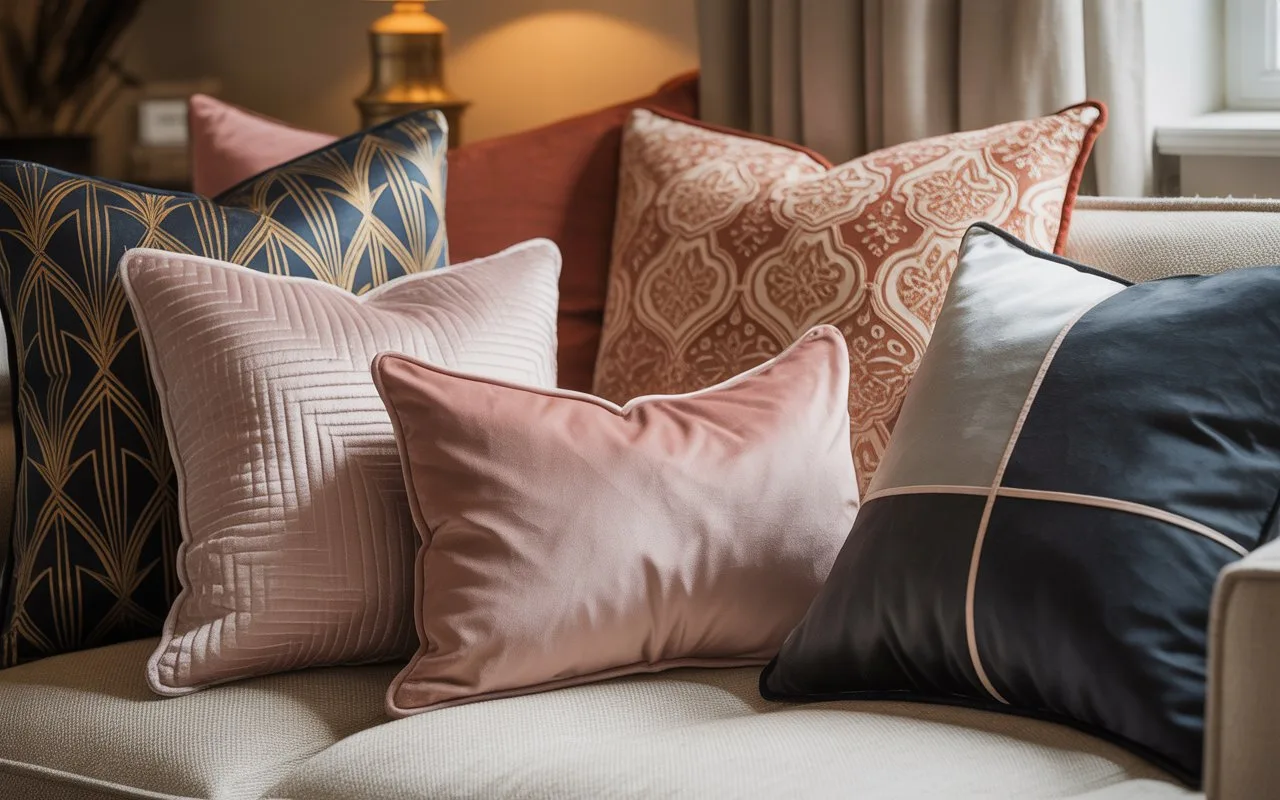
Most people focus on color and forget what’s inside the cushion matters just as much.
Maybe more.
The filling affects softness, durability, shape, and overall comfort.
Foam Filling
Foam cushions are supportive and structured. They keep their shape well and work great for sofas and chairs.
Reliable. Practical.
Not always the softest though.
Fiber Filling
These feel fluffy and lightweight. Very common in decorative pillows because they create that soft cloud-like appearance.
Over time they flatten a little, which annoys some people.
Feather and Down
Luxury hotels love these for a reason.
They feel incredibly soft and cozy. But they require frequent fluffing otherwise they begin looking tired and uneven.
Still worth it for many people.
Memory Foam
Memory foam molds to your body shape. Excellent for support. Especially travel pillows and orthopedic cushions.
Some people swear by them.
Others think they feel strange at first.
Fabric Changes Everything
Imagine two identical cushions. Same size. Same shape.
One covered in velvet. The other in rough fabric.
Completely different experience.
Fabric affects comfort, appearance, and even mood.
Cotton
Soft. Breathable. Easy to clean.
Cotton works almost everywhere because it feels natural and relaxed.
Velvet
Velvet instantly adds elegance. Even one velvet cushion can make a basic sofa feel luxurious.
It catches light beautifully too.
Linen
Linen has this calm effortless appearance. Slight wrinkles actually make it look better sometimes.
Very popular in modern minimalist homes.
Leather
Leather cushions feel sleek and sophisticated. Also easier to wipe clean, especially in busy households.
Though they can feel cold during winter mornings. Not ideal for everyone.
How Cushions Transform Interior Design
This part surprises many homeowners.
You can completely refresh a room without buying new furniture. Just change the cushions.
Seriously.
A neutral sofa with colorful cushions suddenly feels energetic. Replace bright patterns with soft earth tones and now the room feels calm and mature.
Interior designers use cushions almost like artists use paint strokes.
Small details. Big emotional effect.
Adding Color
Bright tones create energy and personality.
Muted shades create peace.
Neither is wrong. Depends on the feeling you want.
Creating Texture
Mixing textures adds depth. Velvet beside cotton. Knitted fabric beside linen. The contrast makes spaces feel layered and interesting.
Flat rooms often lack texture more than color.
Showing Personality
Some people love floral patterns. Others prefer geometric shapes or minimalist neutrals.
Your cushion choices quietly say something about you.
Choosing the Right Cushions Isn’t Always Easy
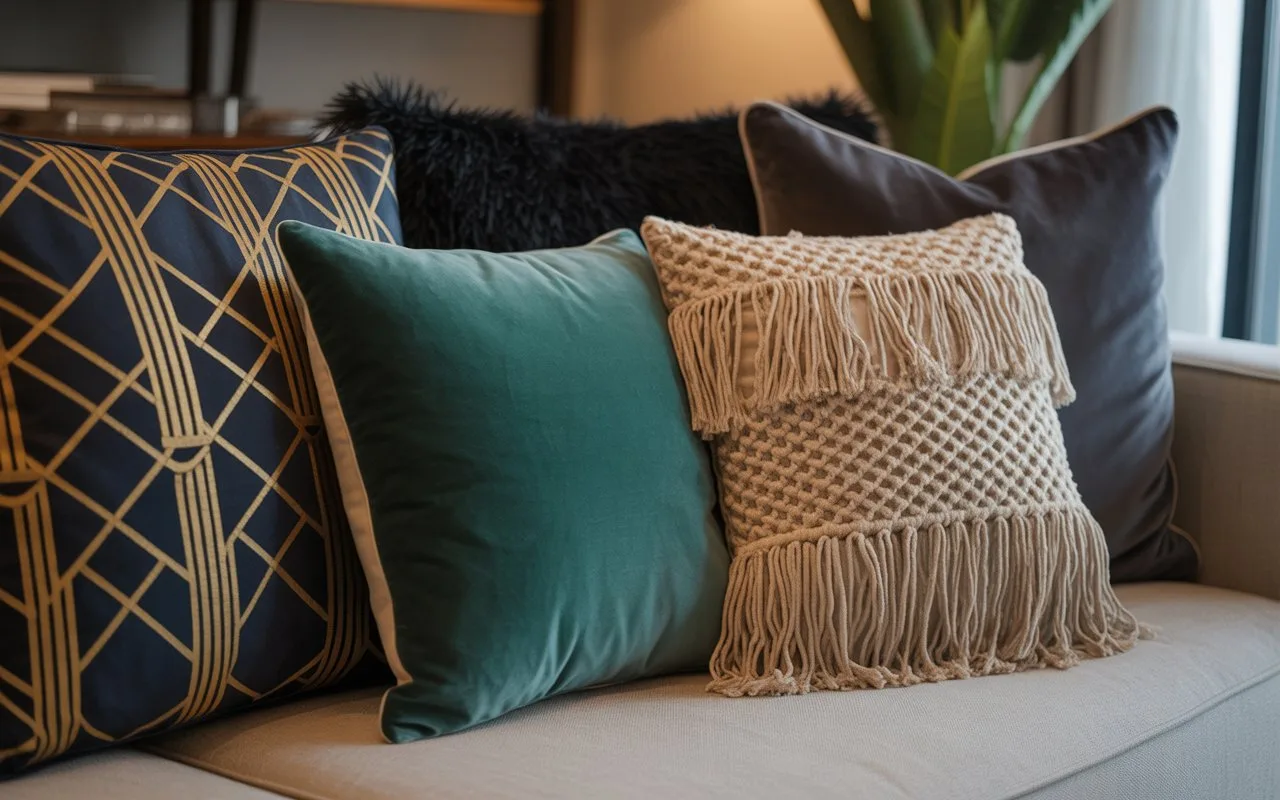
People think buying cushions is simple until they actually start shopping.
Then confusion begins.
Too many sizes. Too many fabrics. Too many patterns.
Suddenly you’re standing in a store holding six cushions wondering why this became stressful.
Think About Size
Large sofas need larger cushions. Tiny pillows on oversized furniture look awkward sometimes.
Balance matters.
Don’t Ignore Comfort
Beautiful cushions that feel uncomfortable defeat the whole purpose.
Style matters. Comfort matters too.
Mix Colors Carefully
You don’t need everything perfectly matching. In fact, rooms often look more natural when colors vary slightly.
Too much matching can feel stiff.
Almost like a furniture showroom nobody actually lives in.
Cushion Arrangements Can Change a Room
Arrangement matters more than people realize.
One badly placed cushion can make furniture look messy. Strange but true.
Symmetrical Styling
Matching cushions on both sides create a clean formal appearance.
Very neat. Very organized.
Some people love that structure.
Layered Looks
Different sizes placed together create depth and coziness.
This style feels more relaxed and lived-in.
Odd Numbers Work Better
Three or five cushions usually look more natural than four.
Designers use this trick constantly.
Outdoor Cushions Bring Life to Open Spaces
Think about a balcony with plain metal chairs.
Now imagine those same chairs with soft cushions in warm colors.
Huge difference.
Outdoor cushions make patios and gardens feel welcoming instead of purely functional.
Weather Resistance Matters
Good outdoor cushions resist fading and moisture. Cheap ones often lose color quickly under sunlight.
Storage Helps Them Last
Leaving cushions outside during heavy rain shortens their lifespan dramatically.
Simple care makes a big difference.
Cleaning Cushions Is More Important Than Most People Think
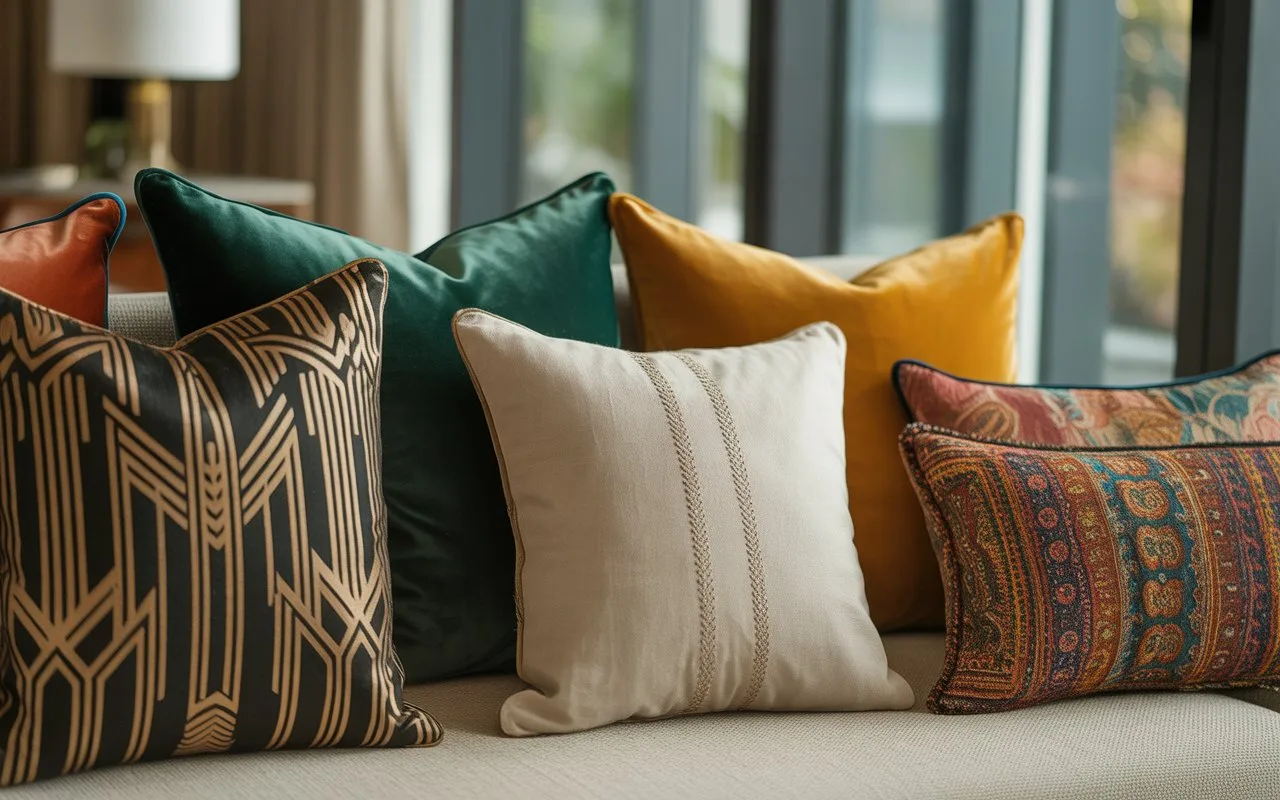
Cushions absorb dust, odors, and sometimes spills.
A beautiful cushion that smells unpleasant loses its charm pretty fast.
Vacuum Regularly
Especially fabric cushions. Dust builds slowly and people rarely notice until allergies start acting up.
Spot Clean Quickly
Small stains become permanent if ignored too long.
We all say “I’ll clean that later.”
Later usually becomes never.
Fluff Them Often
Flattened cushions make rooms feel tired. A quick fluff instantly improves appearance.
Little effort. Nice result.
Sustainable Cushions Are Becoming Popular
More homeowners now care about eco-friendly materials and ethical production.
Not just trends anymore. Real concern.
Organic Fabrics
Organic cotton and linen reduce chemical use and feel softer naturally.
Recycled Fillings
Some modern cushions use recycled polyester made from plastic waste.
Pretty smart honestly.
Handmade Designs
Handmade cushions often have more personality than factory-produced options.
Small imperfections make them feel authentic.
Cushion Trends Keep Changing
Home trends evolve constantly. Cushions change with them.
Right now earthy tones are everywhere. Beige. Olive green. Rust colors. Soft browns.
People seem drawn toward warmth lately.
Minimalist designs are also very popular. Clean patterns. Neutral palettes. Simple textures.
Though bold maximalist styles are making a comeback too.
Design trends move like fashion sometimes. Fast and unpredictable.
The Emotional Side of Cushions
Here’s something interesting.
People often associate cushions with emotional comfort without realizing it.
Think about childhood memories. Reading on the sofa. Watching movies under blankets. Afternoon naps. Family gatherings.
Cushions were probably there quietly in the background.
That softness becomes connected to feelings of safety and rest.
Maybe that’s why cozy spaces matter so much.
Not because they look perfect. Because they feel comforting.
And honestly, in a world that moves so fast all the time, a comfortable corner with soft cushions can feel like a small escape.
Conclusion
Cushions may seem like small decorative items, but their impact is surprisingly big. They improve comfort, support posture, protect furniture, and completely transform the mood of a room.
A home without cushions can sometimes feel unfinished. Too sharp. Too formal.
The right cushions add warmth, texture, personality, and softness in ways furniture alone cannot.
Whether you prefer luxurious velvet pillows, simple cotton designs, or oversized floor cushions for relaxed evenings, there’s something deeply comforting about them. They turn ordinary spaces into places people actually want to stay in.
And maybe that’s their real purpose after all.
Not just decoration.
Comfort. Quiet comfort.
FAQs
1. How often should cushions be replaced?
Most cushions last around three to five years depending on quality, usage, and maintenance habits.
2. Which cushion filling feels the softest?
Feather and down fillings are usually considered the softest, though memory foam provides better support.
3. Can cushions help with posture problems?
Yes, supportive back and lumbar cushions can improve sitting posture and reduce strain.
4. What fabric works best for everyday use?
Cotton and polyester blends are durable, comfortable, and easier to maintain in busy homes.
5. How many cushions should a sofa have?
Usually three to five cushions create a balanced look, though larger sofas may need more.