Introduction
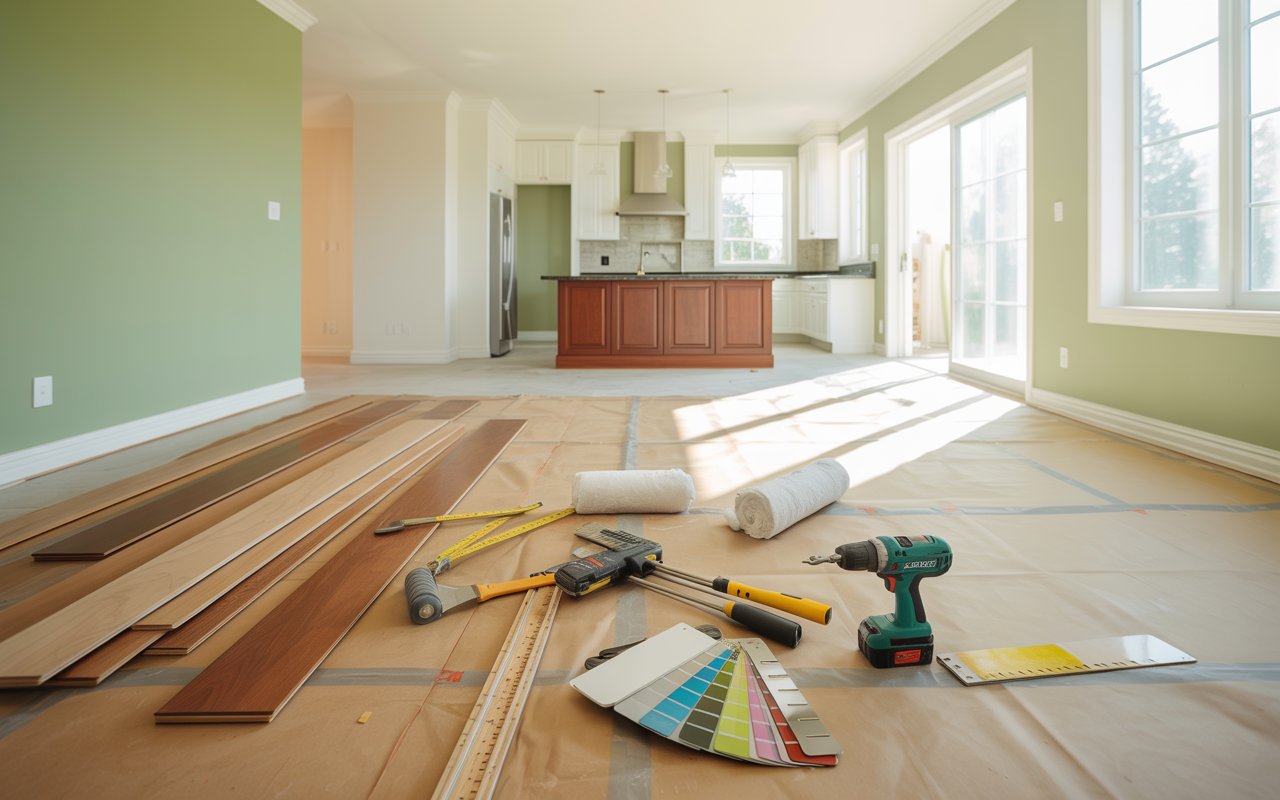
A home is more than walls, furniture, and a roof over your head. It is the place where everyday life happens—morning coffee, family dinners, celebrations, and quiet moments. Over time, every living space needs attention, upgrades, and small changes to stay comfortable and functional. Home improvement is not simply about making a house look attractive; it is about creating an environment that works better for the people living in it.
Think of your home like a garden. You cannot plant flowers once and expect them to bloom forever. It needs care, fresh ideas, and occasional updates. Small changes can make a noticeable difference, while larger projects can completely transform how a place feels and functions.
H2: Understanding the Purpose of Home Improvement
Home upgrades are often associated with renovation projects, but they go much deeper than replacing flooring or painting walls.
Comfort
People spend a large portion of their lives indoors. Improving comfort through better furniture placement, lighting, or climate control can make everyday life easier.
Functionality
A room should work for your lifestyle. If your kitchen feels crowded or your workspace creates distractions, improvements can make tasks simpler and more enjoyable.
Value
Many upgrades increase the overall worth of a property. Modern kitchens, efficient systems, and attractive interiors often appeal to future buyers.
Personal Expression
Living spaces often reflect personality. Design choices, colors, textures, and decorative elements help create an environment that feels unique.
H2: Planning Before Starting Any Project
Jumping directly into a project can lead to unexpected expenses and frustration. Preparation helps avoid common mistakes.
Set Clear Goals
Ask yourself some important questions:
- What needs improvement?
- Why does it need attention?
- What result am I hoping for?
A project without direction is like driving without a map.
Create a Budget
Financial planning matters because costs can grow quickly. Break down expected expenses into categories:
- Materials
- Labor
- Equipment
- Decoration
- Emergency expenses
Unexpected issues may appear during renovations, so keeping extra funds available can prevent stress.
Prioritize Projects
Not every update needs immediate attention. Focus on necessities before cosmetic changes.
Examples include:
- Plumbing repairs
- Roof maintenance
- Electrical issues
- Structural improvements
H2: Improving Interior Spaces
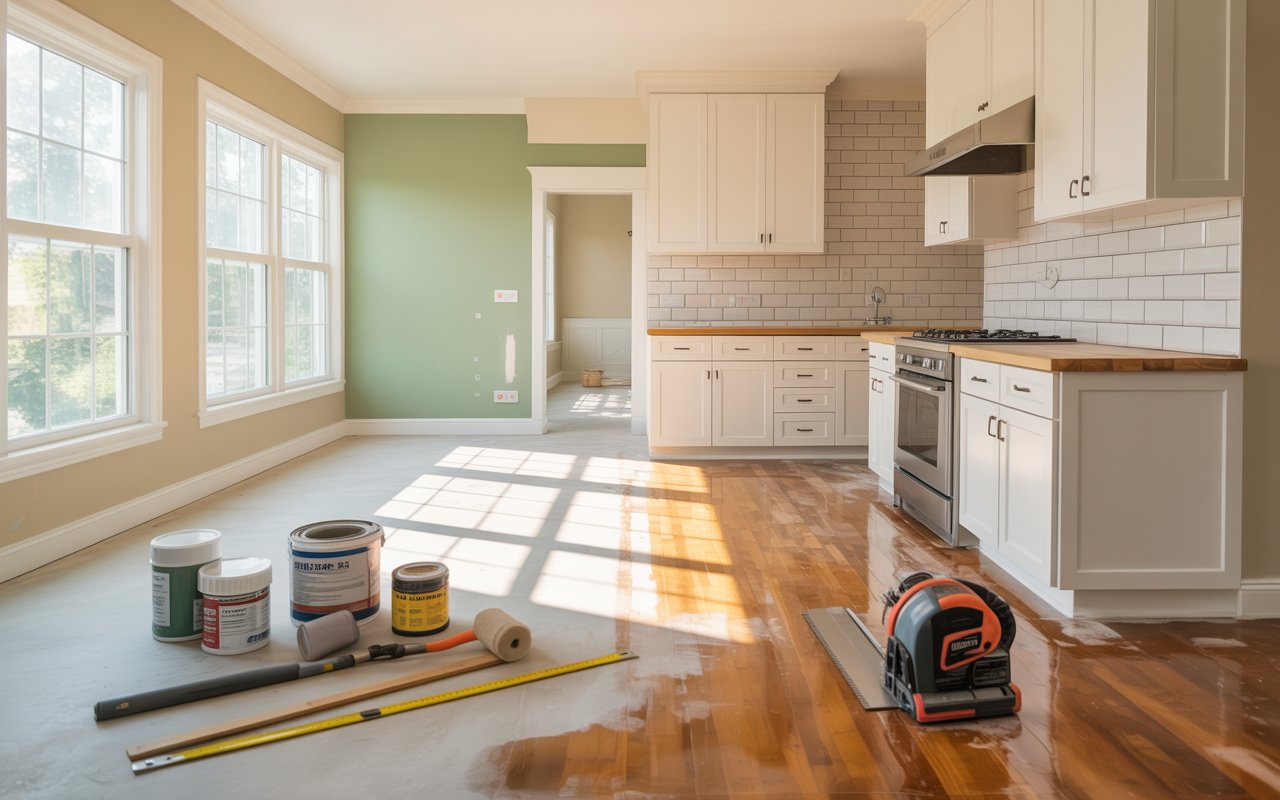
Indoor areas greatly influence comfort and daily routines. Small modifications inside a home can have a major impact.
Living Room Updates
The living room often serves as the center of household activity.
Simple ideas include:
- Rearranging furniture
- Adding new cushions
- Installing modern lighting
- Updating curtains
- Introducing indoor plants
Natural elements can instantly make a room feel fresh and welcoming.
Bedroom Improvements
Bedrooms should encourage rest and relaxation.
Consider:
- Comfortable bedding
- Better storage solutions
- Soft lighting
- Neutral colors
- Minimal clutter
An organized room usually creates a calmer atmosphere.
Kitchen Enhancements
Kitchens receive heavy use every day.
Common upgrades include:
- Cabinet refinishing
- New backsplashes
- Updated appliances
- Improved organization systems
- Better lighting placement
Even changing cabinet handles can refresh the appearance without major expense.
H2: Making Bathrooms More Functional
Bathrooms are smaller spaces, but improvements can dramatically increase convenience and appearance.
Storage Solutions
Many bathrooms lack adequate storage.
Useful additions include:
- Floating shelves
- Built-in cabinets
- Wall organizers
- Hidden storage units
Lighting and Mirrors
Proper lighting can make a bathroom feel larger and brighter.
Combining mirrors with layered lighting often creates a cleaner and more spacious appearance.
Modern Fixtures
Replacing older fixtures may improve both style and efficiency.
Examples:
- Water-saving faucets
- Updated showerheads
- New sinks
- Contemporary hardware
H2: The Impact of Color and Paint
Paint remains one of the simplest ways to transform a space.
Choosing Colors Carefully
Different shades create different feelings.
- Light colors create openness
- Dark tones add depth
- Warm shades create comfort
- Cool shades provide calmness
Color affects mood more than many people realize.
Accent Features
Instead of repainting an entire room, consider:
- Accent walls
- Decorative patterns
- Textured finishes
These details can add personality without overwhelming the space.
H2: Upgrading Lighting Throughout the Home
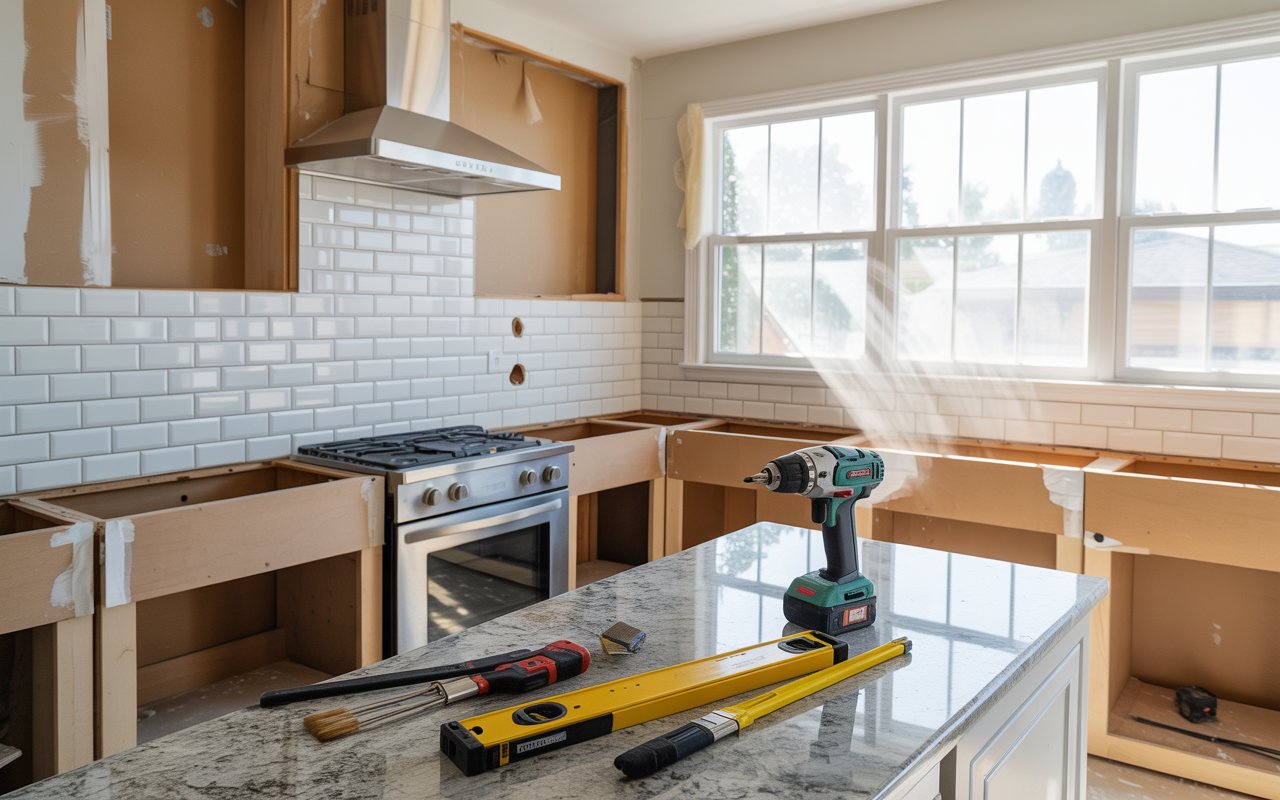
Lighting influences atmosphere, visibility, and energy use.
Natural Light
Sunlight often makes rooms appear larger and more inviting.
Ways to increase natural brightness:
- Larger windows
- Light curtains
- Mirrors
- Open layouts
Layered Illumination
Different forms of lighting serve different purposes.
Ambient lighting
Provides overall brightness.
Task lighting
Helps with activities like reading or cooking.
Accent lighting
Highlights decorative features.
Using a combination creates a balanced environment.
H2: Outdoor Improvements and Curb Appeal
First impressions matter. Exterior appearance shapes how visitors and neighbors see a home.
Landscape Enhancements
Simple outdoor updates can dramatically improve visual appeal.
Ideas include:
- Planting flowers
- Trimming shrubs
- Adding pathways
- Installing garden borders
Entryway Updates
Front entrances naturally attract attention.
Small upgrades may include:
- Fresh paint
- Decorative lighting
- New house numbers
- Stylish doors
- Outdoor seating
A welcoming entrance creates a positive feeling before anyone steps inside.
H2: Energy Efficiency and Sustainable Upgrades
Many homeowners now focus on reducing energy use and utility expenses.
Insulation Improvements
Good insulation helps maintain indoor temperature.
Benefits include:
- Lower energy consumption
- Better comfort
- Reduced heating costs
- Reduced cooling costs
Efficient Windows
Older windows may allow air leaks.
Modern options often improve:
- Temperature control
- Noise reduction
- Energy savings
Smart Systems
Technology has changed how homes operate.
Examples:
- Smart thermostats
- Automated lighting
- Security devices
- Energy monitoring systems
These systems provide convenience and may reduce waste.
H2: Storage and Organization Strategies
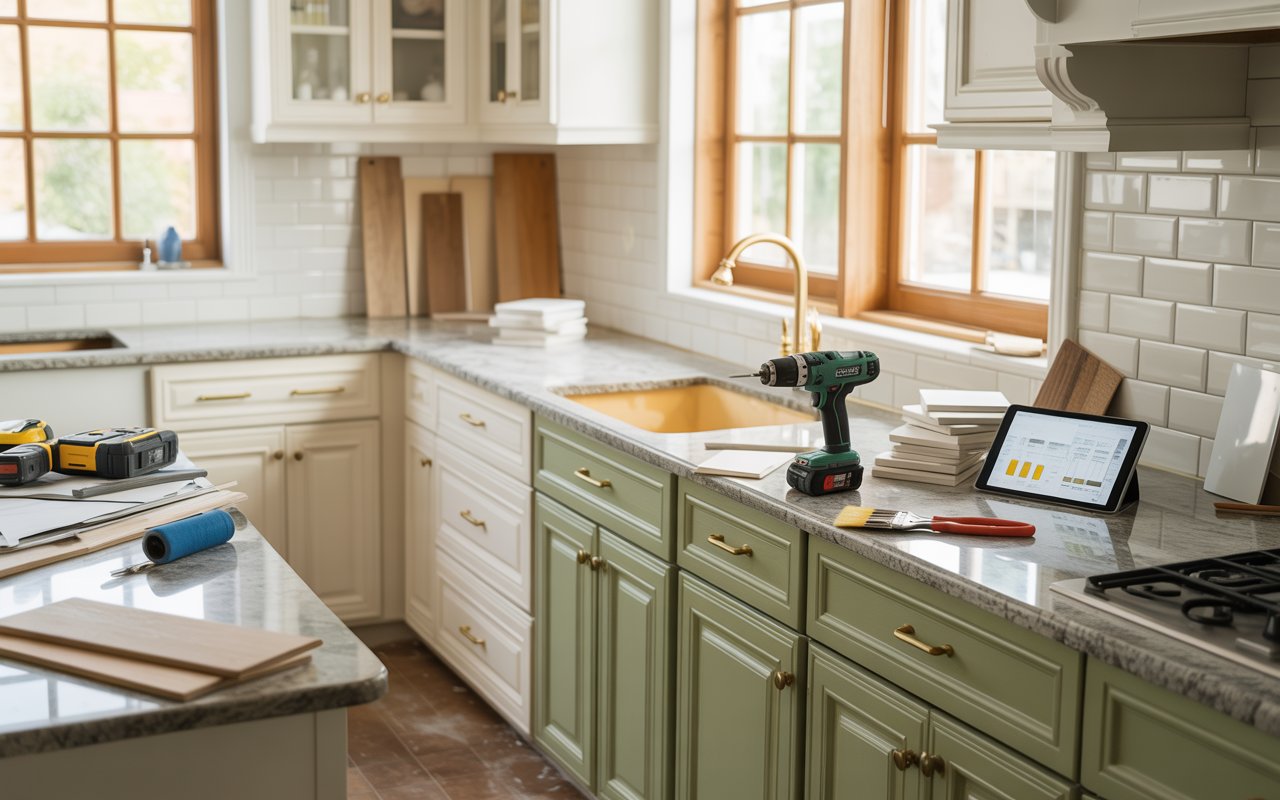
A beautiful room loses appeal when clutter takes over.
Use Vertical Space
Walls often contain unused space.
Ideas include:
- Wall shelves
- Hanging organizers
- Tall cabinets
Multi-Purpose Furniture
Furniture with multiple functions saves space.
Examples:
- Storage beds
- Foldable tables
- Ottoman storage units
- Expandable desks
Organization often creates the feeling of having more room without expanding the house.
H2: Knowing When to DIY and When to Hire Professionals
Many people enjoy handling projects themselves, but some tasks require expertise.
Suitable DIY Projects
Examples include:
- Painting
- Decorating
- Simple installations
- Basic landscaping
Projects Better Left to Professionals
Certain work may involve safety concerns.
Examples:
- Electrical systems
- Roofing
- Structural changes
- Major plumbing work
Trying to save money on complicated work sometimes creates larger expenses later.
H2: Common Mistakes to Avoid
Even well-planned projects can go wrong.
Ignoring Measurements
Incorrect dimensions can create expensive problems.
Following Trends Blindly
Design trends change quickly. Focus on choices that fit your personal needs.
Using Low-Quality Materials
Cheap materials may seem appealing initially but often require replacement sooner.
Skipping Research
Comparing products, ideas, and methods can prevent costly decisions.
H2: Building a Home That Grows With You
Needs change over time. Families expand, work habits shift, and lifestyles evolve.
Flexible spaces often provide long-term benefits.
Examples include:
- Guest rooms that become offices
- Adjustable furniture
- Expandable storage
- Multipurpose layouts
Designing with the future in mind creates lasting value.
Conclusion
Home improvement is not simply about spending money or chasing design trends. It is about shaping a living environment that supports comfort, functionality, and personal style. Whether you repaint a room, improve lighting, organize storage, or complete a full renovation, every change contributes to a better experience at home.
Small steps often create surprisingly meaningful results. A few thoughtful improvements today can make a home feel warmer, more practical, and more enjoyable tomorrow. After all, a house becomes special not because of its size or appearance, but because of how it supports the life happening inside it.
FAQs
1. What is home improvement?
Home improvement refers to making changes, upgrades, repairs, or renovations that improve the appearance, functionality, or value of a living space.
2. Which home projects add the most value?
Kitchen updates, bathroom renovations, energy-efficient features, and exterior improvements often provide strong long-term value.
3. How can I improve my home on a limited budget?
Painting walls, reorganizing furniture, adding lighting, improving storage, and decorating with plants are affordable ways to refresh a space.
4. Should I handle renovation work myself?
Simple tasks such as painting or decorating can often be done independently, while complex electrical, plumbing, and structural work usually requires professionals.
5. How often should a home be updated?
There is no fixed schedule, but regular maintenance and periodic improvements help keep a home comfortable, functional, and attractive.