Introduction
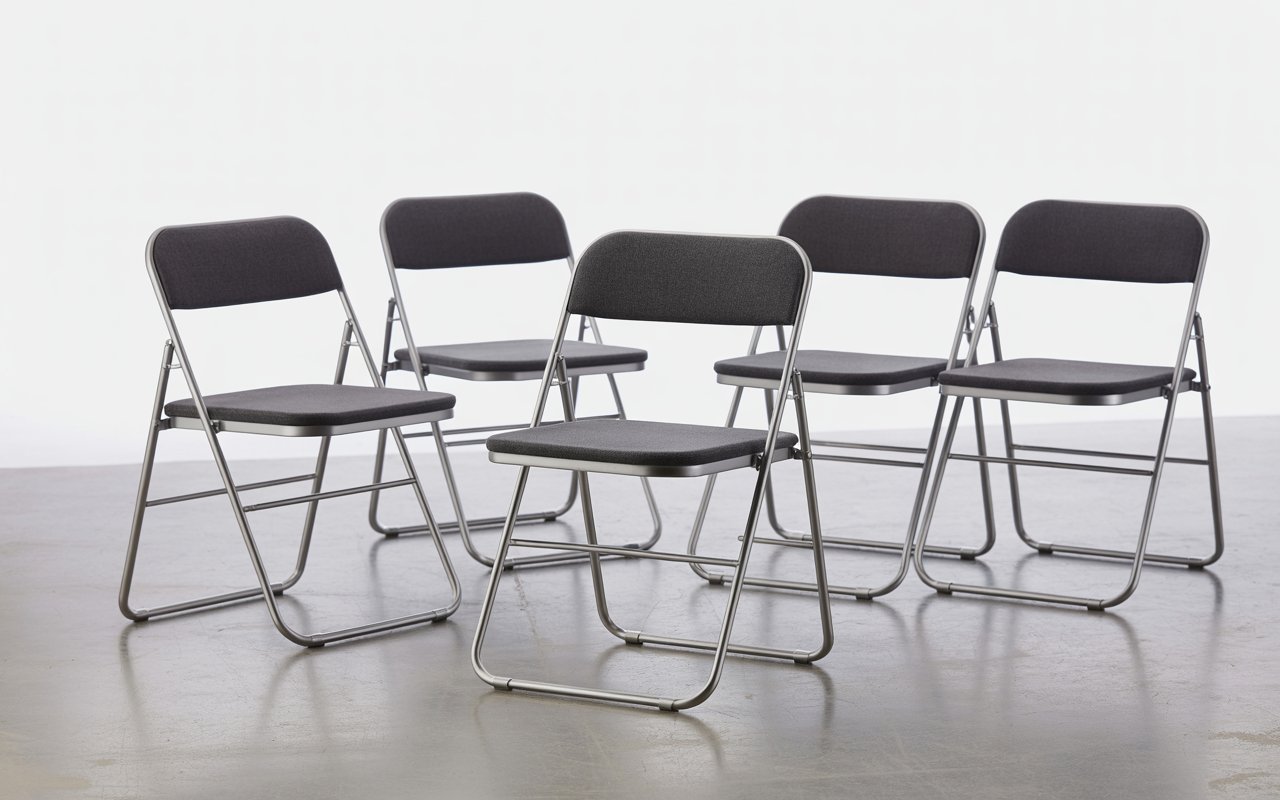
Have you ever found yourself needing extra seating for guests, family gatherings, outdoor events, or workspaces? Portable seating solutions have become a practical answer for millions of people around the world. They offer convenience, flexibility, and efficient space management without sacrificing comfort.
Whether you’re hosting a backyard barbecue, organizing a conference, planning a wedding, or simply looking for extra seating at home, folding chairs provide a versatile option that fits almost any situation. Think of them as the “Swiss Army knife” of furniture—compact when stored yet incredibly useful when needed.
This guide explores everything you need to know about folding chairs, including their types, materials, benefits, uses, maintenance, and buying considerations.
What Are Folding Chairs?
Folding chairs are portable seats designed with a collapsible frame that allows them to be easily opened for use and folded flat for storage. Unlike traditional furniture that occupies permanent space, these seats can be stored away when not needed.
The concept is simple but highly effective. Through a hinged mechanism, the frame folds inward, making transportation and storage significantly easier. This practical design has made them a staple in homes, schools, offices, event venues, and outdoor environments.
Their popularity continues to grow because they provide an ideal balance between functionality and convenience.
The Evolution of Portable Seating
Early Designs
Portable seating has existed for centuries. Ancient civilizations used collapsible stools made from wood and leather, particularly for military leaders and travelers.
Modern Innovations
Today’s designs have evolved considerably. Manufacturers now incorporate advanced materials, ergonomic structures, padded seating, weather-resistant coatings, and lightweight frames.
As consumer expectations have changed, portable seating has transformed from a simple utility item into a comfortable and stylish furniture solution suitable for both indoor and outdoor use.
Different Types of Folding Chairs
Not all folding chairs are created equal. Understanding the available options helps buyers choose the right model for their needs.
Metal Folding Chairs
These are among the most durable and commonly used options.
Advantages:
- Strong construction
- Long lifespan
- Suitable for events and gatherings
- Easy maintenance
Best For:
- Banquets
- Conferences
- Schools
- Community centers
Plastic Folding Chairs
Plastic models are lightweight and resistant to moisture.
Advantages:
- Affordable
- Easy to clean
- Lightweight
- Weather resistant
Best For:
- Outdoor events
- Family gatherings
- Backyard parties
Wooden Folding Chairs
Wood offers a classic and elegant appearance.
Advantages:
- Attractive design
- Strong structure
- Suitable for formal occasions
Best For:
- Weddings
- Dining events
- Decorative settings
Padded Folding Chairs
Comfort-focused seating includes cushions on the seat and backrest.
Advantages:
- Enhanced comfort
- Better support
- Suitable for long sitting periods
Best For:
- Meetings
- Religious venues
- Indoor events
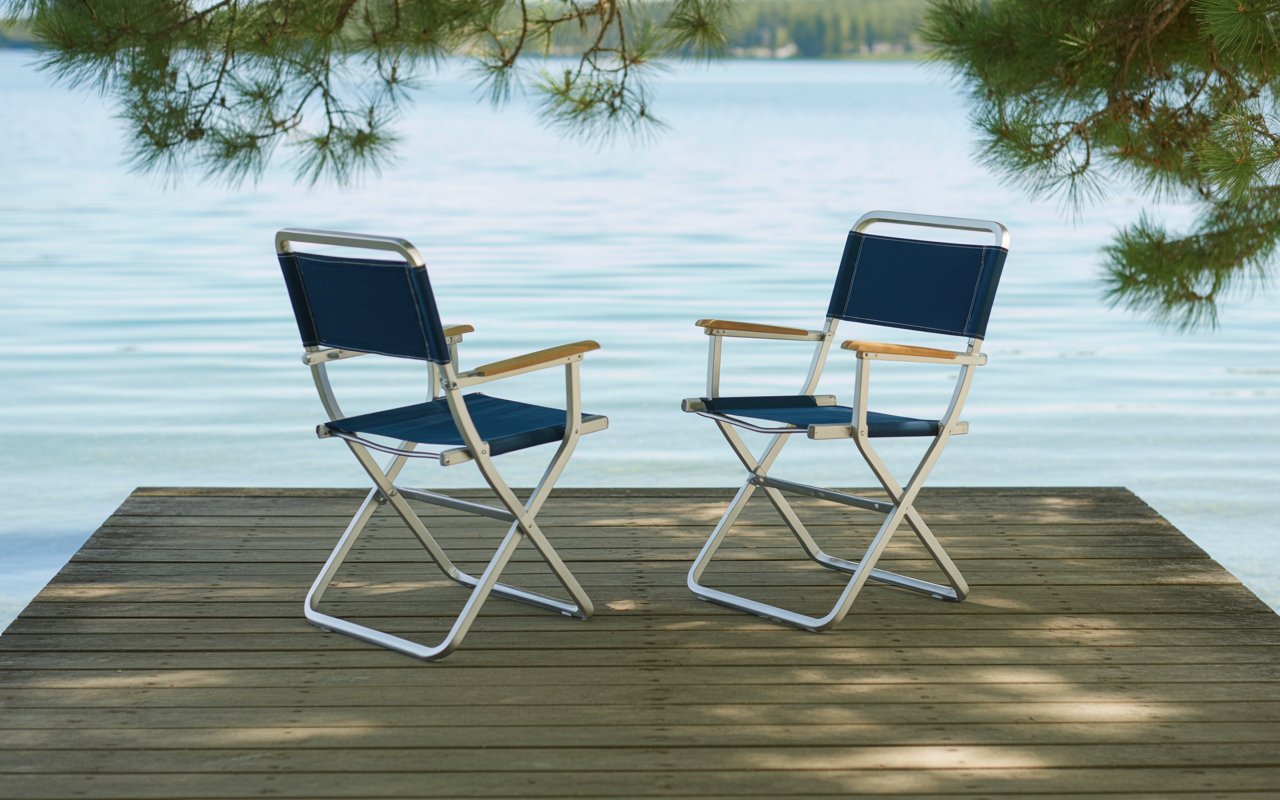
Outdoor Folding Chairs
Designed specifically for outdoor environments.
Advantages:
- Weather-resistant materials
- Portable design
- Comfortable features
Best For:
- Camping
- Fishing
- Beaches
- Sports events
Benefits of Using Folding Chairs
The popularity of folding chairs stems from several practical advantages.
Space Saving
One of the biggest benefits is efficient storage. When folded, these chairs occupy minimal space and can be stacked neatly in closets, garages, or storage rooms.
For apartments and small homes, this feature is particularly valuable.
Portability
Many models are lightweight enough to carry with one hand. This makes them ideal for transportation between locations.
Cost-Effective Seating
Purchasing several folding chairs often costs less than buying multiple traditional chairs. They provide extra seating without requiring a large investment.
Versatility
These chairs can serve many purposes:
- Home gatherings
- Corporate events
- Outdoor activities
- Religious ceremonies
- Educational settings
Few furniture items offer such broad functionality.
Quick Setup
Most models can be opened and positioned within seconds. This convenience makes event preparation much easier.
Common Uses for Folding Chairs
Home Entertaining
Many households keep extra seating available for holiday dinners, birthdays, and family reunions.
Instead of cluttering living spaces with unused furniture, homeowners can simply store portable seating until needed.
Weddings and Celebrations
Event planners frequently choose folding chairs because they can accommodate large numbers of guests while remaining easy to transport and arrange.
Business Events
Companies often use these seats during:
- Training sessions
- Conferences
- Seminars
- Workshops
Their flexibility allows venues to adapt quickly to changing attendance requirements.
Educational Facilities
Schools, colleges, and training centers regularly utilize portable seating for assemblies, examinations, and special events.
Outdoor Recreation
Campers, anglers, and sports spectators appreciate the convenience of lightweight seating that travels easily.
Materials and Construction
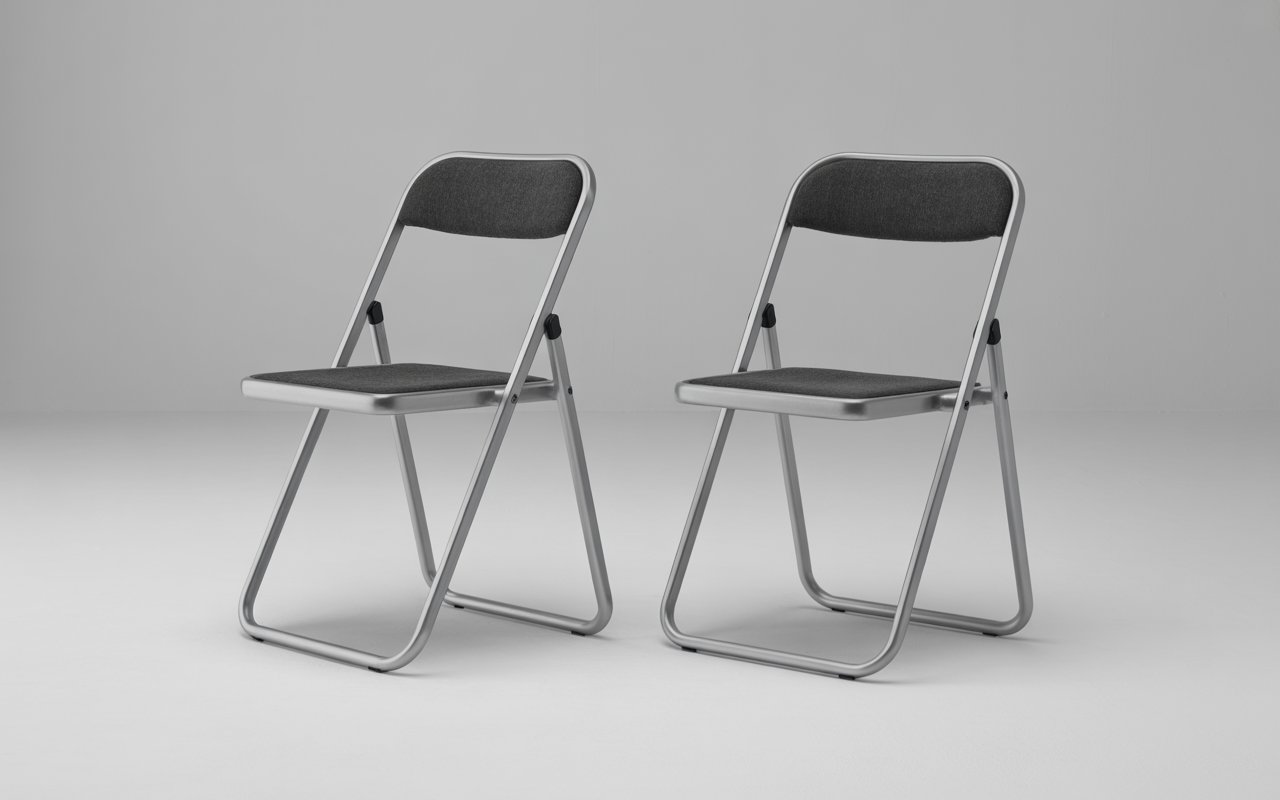
The durability and comfort of folding chairs largely depend on the materials used.
Steel Frames
Steel offers excellent strength and stability.
Pros:
- Highly durable
- Supports heavy loads
- Long lifespan
Cons:
- Heavier than aluminum
Aluminum Frames
Aluminum provides a lighter alternative.
Pros:
- Lightweight
- Rust resistant
- Easy transportation
Cons:
- Slightly less robust than steel
Plastic Components
High-density polyethylene and similar materials are commonly used.
Pros:
- Water resistant
- Easy cleaning
- Lightweight
Wood Construction
Wood remains a preferred choice for decorative applications.
Pros:
- Elegant appearance
- Natural aesthetics
Fabric Seating
Outdoor models frequently use polyester, mesh, or canvas materials.
Pros:
- Breathability
- Comfort
- Lightweight design
Comfort Features to Consider
Comfort can significantly impact user satisfaction.
Padded Seats
Foam cushioning reduces pressure and improves sitting comfort during extended use.
Ergonomic Design
Modern models often include:
- Contoured seats
- Curved backrests
- Lumbar support
Armrests
Outdoor and recreational models frequently incorporate armrests for added relaxation.
Seat Width
A wider seat generally provides greater comfort and accommodates different body types more effectively.
Weight Capacity
Choosing a chair with an appropriate weight rating enhances both safety and comfort.
How to Choose the Right Folding Chair
Selecting the best option depends on your intended use.
Determine Your Purpose
Ask yourself:
- Indoor or outdoor use?
- Temporary or frequent use?
- Casual or formal events?
Your answers will narrow the available options.
Consider Storage Space
Measure available storage areas before purchasing. Although folding chairs save space, dimensions still vary between models.
Evaluate Durability
Frequent use requires stronger materials and reinforced construction.
Focus on Comfort
If guests will remain seated for long periods, prioritize padded or ergonomic designs.
Check Portability
For travel and outdoor activities, lightweight models are generally preferable.
Compare Maintenance Needs
Some materials require less upkeep than others. Plastic and aluminum options often need minimal maintenance.
Proper Storage and Maintenance
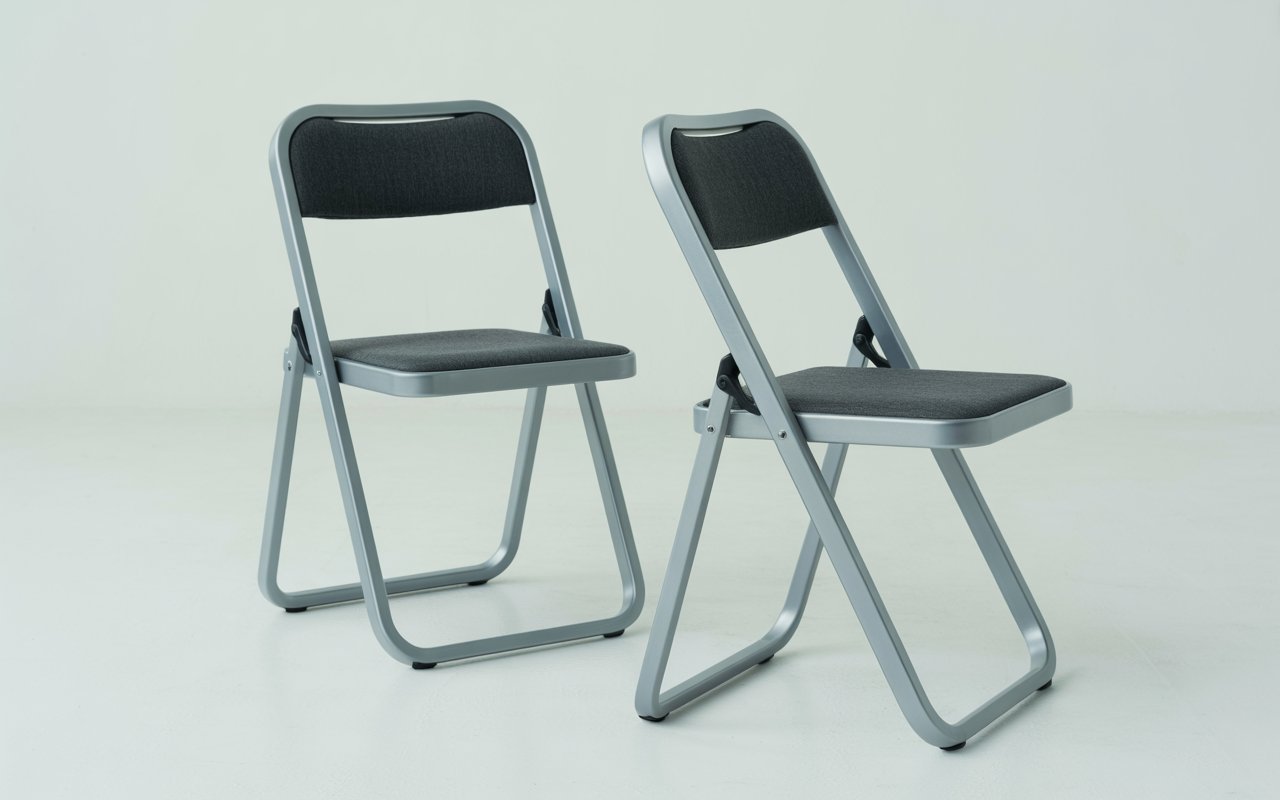
Good maintenance practices can significantly extend the lifespan of folding chairs.
Regular Cleaning
Wipe surfaces regularly to remove dust, dirt, and spills.
For plastic and metal models:
- Use mild soap
- Avoid harsh chemicals
- Dry thoroughly
Inspect Moving Parts
Check hinges and locking mechanisms periodically to ensure smooth operation.
Prevent Rust
Store metal chairs in dry environments whenever possible.
Protect Fabric Components
Outdoor seating should be dried before storage to prevent mold and mildew.
Safe Stacking
Avoid stacking excessive weight on stored chairs to prevent frame damage.
Safety Considerations
Safety should always be a priority.
Check Stability
Ensure the chair is fully opened and locked before use.
Observe Weight Limits
Exceeding recommended capacities can damage the frame and increase accident risk.
Inspect Before Events
Examine seating for loose bolts, cracks, or bent components.
Use on Level Surfaces
Uneven ground may reduce stability and increase tipping hazards.
Following these precautions helps create a safer seating environment for everyone.
Environmental Impact and Sustainability
Consumers are becoming increasingly interested in environmentally responsible products.
Recyclable Materials
Many manufacturers now use recyclable metals and plastics in production.
Long Product Lifespan
Durable furniture reduces waste by minimizing replacement frequency.
Sustainable Wood Sources
Responsible manufacturers often utilize certified wood from managed forests.
Reduced Resource Consumption
Portable seating allows multipurpose use, reducing the need for multiple furniture pieces.
Choosing quality products can contribute to more sustainable consumption patterns.
Future Trends in Folding Chair Design
Innovation continues to shape the furniture industry.
Emerging trends include:
- Lightweight composite materials
- Enhanced ergonomic support
- Eco-friendly manufacturing
- Smart storage systems
- Modern aesthetic designs
Manufacturers are increasingly focused on combining comfort, durability, and sustainability.
As technology advances, portable seating solutions are likely to become even more versatile and user-friendly.
Conclusion
Folding chairs have earned their place as one of the most practical furniture solutions available today. Their combination of portability, space-saving design, affordability, and versatility makes them suitable for countless situations. Whether used at home, in business settings, at weddings, during outdoor adventures, or for community events, they provide reliable seating whenever and wherever it is needed.
By understanding the different types, materials, comfort features, and maintenance requirements, buyers can confidently select the option that best matches their needs. A well-chosen folding chair is more than just a seat—it is a convenient solution that adapts to life’s changing demands while saving both space and effort.
Frequently Asked Questions
1. Are folding chairs comfortable for long periods of sitting?
Yes. Models with padded seats, ergonomic backrests, and proper support can remain comfortable for extended periods.
2. What material is best for outdoor folding chairs?
Aluminum, weather-resistant plastic, and durable fabric materials are generally the best choices for outdoor use due to their resistance to moisture and corrosion.
3. How much weight can folding chairs typically support?
Most standard models support between 250 and 350 pounds, while heavy-duty versions can accommodate significantly higher capacities.
4. Can folding chairs damage floors?
Some models may scratch surfaces if protective feet are missing. Chairs with rubber or non-slip caps help protect flooring.
5. How should folding chairs be stored?
Store them in a clean, dry location, folded flat and stacked properly to maximize space and prevent damage.