Introduction
Towels are among the most frequently used household items, yet many people rarely think about them until it’s time to buy new ones. From drying your hands after washing them to wrapping yourself in warmth after a shower, these simple fabric essentials play a significant role in daily life. They provide comfort, hygiene, convenience, and even a touch of luxury.
Think of a towel as a silent helper that works behind the scenes every day. Just as a reliable friend is always there when needed, a quality towel supports your routine without demanding attention. Understanding different types, materials, and care methods can help you make better choices and extend the life of your household linens.
In this comprehensive guide, we’ll explore everything you need to know about towels, including their types, fabrics, uses, maintenance, and buying tips.
H2: What Are Towels and Why Are They Important?
A towel is a piece of absorbent fabric designed to dry the body, hands, dishes, or various surfaces. While the concept seems simple, the effectiveness of a towel depends on its material, construction, and intended purpose.
Towels serve several important functions:
- Absorbing moisture efficiently
- Promoting personal hygiene
- Providing warmth and comfort
- Protecting surfaces
- Enhancing bathroom aesthetics
- Supporting household cleaning tasks
Without towels, everyday activities such as bathing, cooking, exercising, and cleaning would become much less convenient.
H2: The History and Evolution of Towels
Early Origins
The use of cloth for drying dates back thousands of years. Ancient civilizations used woven fabrics made from natural fibers to dry themselves after bathing.
Development Through the Centuries
As weaving techniques improved, towels became more durable and absorbent. During the 17th and 18th centuries, textile manufacturing expanded, making household linens more accessible to ordinary families.
Modern-Day Towels
Today’s towels come in numerous styles, sizes, and materials. Advances in textile technology have introduced fabrics that dry faster, resist odors, and maintain softness after repeated washing.
The modern towel combines practicality with comfort, offering solutions for nearly every household need.
H2: Different Types of Towels
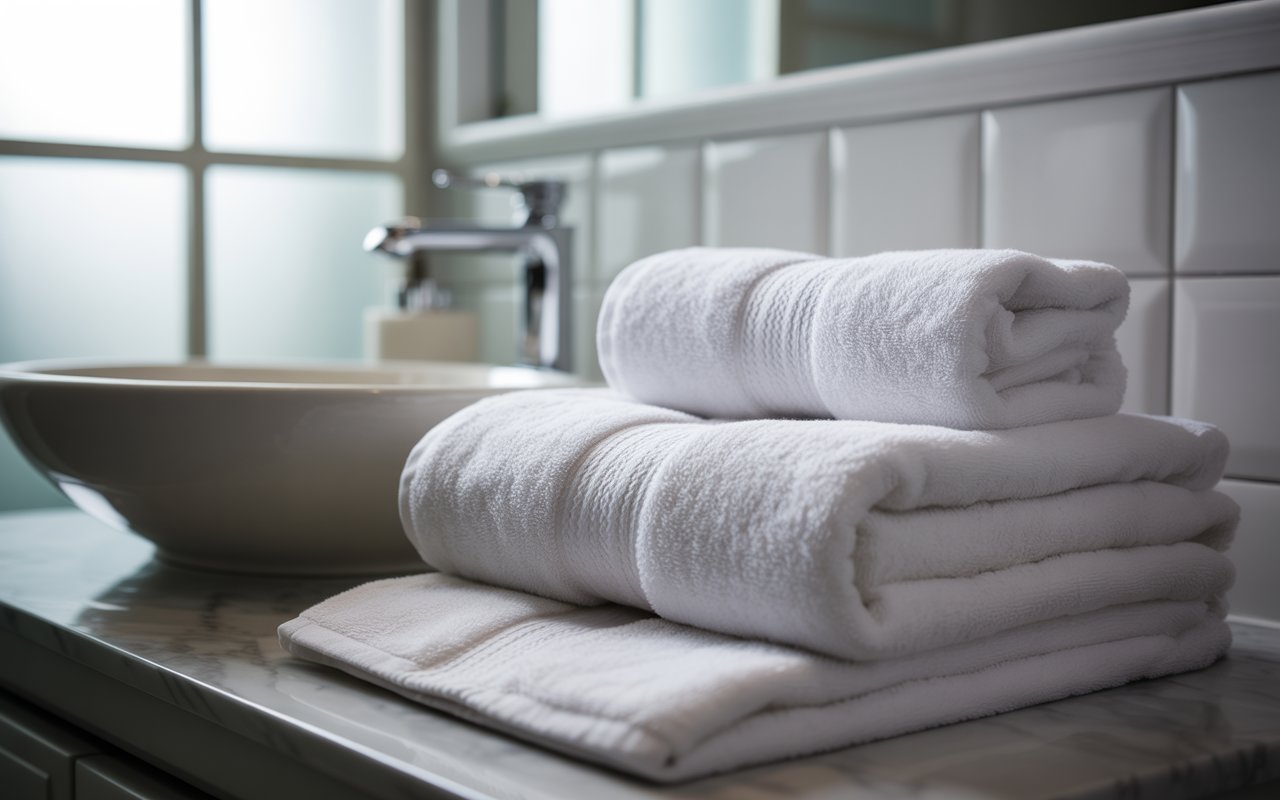
Not all towels are created for the same purpose. Understanding the various categories helps you choose the right option for your needs.
Bath Towels
Bath towels are designed for drying the body after bathing or showering. They are larger than hand towels and offer substantial coverage.
Common features include:
- High absorbency
- Soft texture
- Comfortable size
- Durable construction
Hand Towels
Hand towels are smaller and typically placed near sinks. They are used frequently throughout the day for drying hands.
Washcloths
These compact cloths are commonly used for:
- Facial cleansing
- Bathing
- Makeup removal
- Gentle exfoliation
Beach Towels
Beach towels are larger and often feature colorful patterns. They provide a surface for lounging while also drying the body after swimming.
Kitchen Towels
Kitchen towels assist with various culinary tasks, including:
- Drying dishes
- Cleaning surfaces
- Handling warm cookware
- Wiping spills
Gym Towels
Designed for fitness enthusiasts, gym towels help absorb sweat during exercise and workouts.
H2: Common Materials Used in Towels
The fabric used in a towel greatly influences its performance.
Cotton
Cotton remains one of the most popular choices due to its excellent absorbency and softness.
Benefits include:
- Comfortable feel
- Natural fibers
- Good moisture absorption
- Breathability
Egyptian Cotton
Often considered a premium option, Egyptian cotton features long fibers that create exceptionally soft and durable products.
Turkish Cotton
Known for balancing absorbency and quick drying, Turkish cotton is commonly found in luxury bath linens.
Microfiber
Microfiber towels are made from synthetic fibers and are popular for:
- Fast drying
- Lightweight portability
- Cleaning applications
- Travel use
Bamboo Blends
Bamboo-based fabrics are increasingly popular because they are soft and often perceived as environmentally friendly alternatives.
H2: Understanding Towel Construction
The quality of a towel is influenced by more than just the material.
Pile Height
Pile refers to the loops that create the towel’s soft surface.
Higher pile generally means:
- Greater softness
- Better absorbency
- More luxurious feel
Weave Style
Different weaving methods affect durability and texture.
Examples include:
- Terry weave
- Waffle weave
- Flat weave
- Ribbed weave
Weight and Thickness
Towel weight is often measured in grams per square meter (GSM).
Generally:
- Lower GSM = lighter and faster drying
- Higher GSM = thicker and more absorbent
The ideal choice depends on personal preference and intended use.
H2: How to Choose the Right Towels
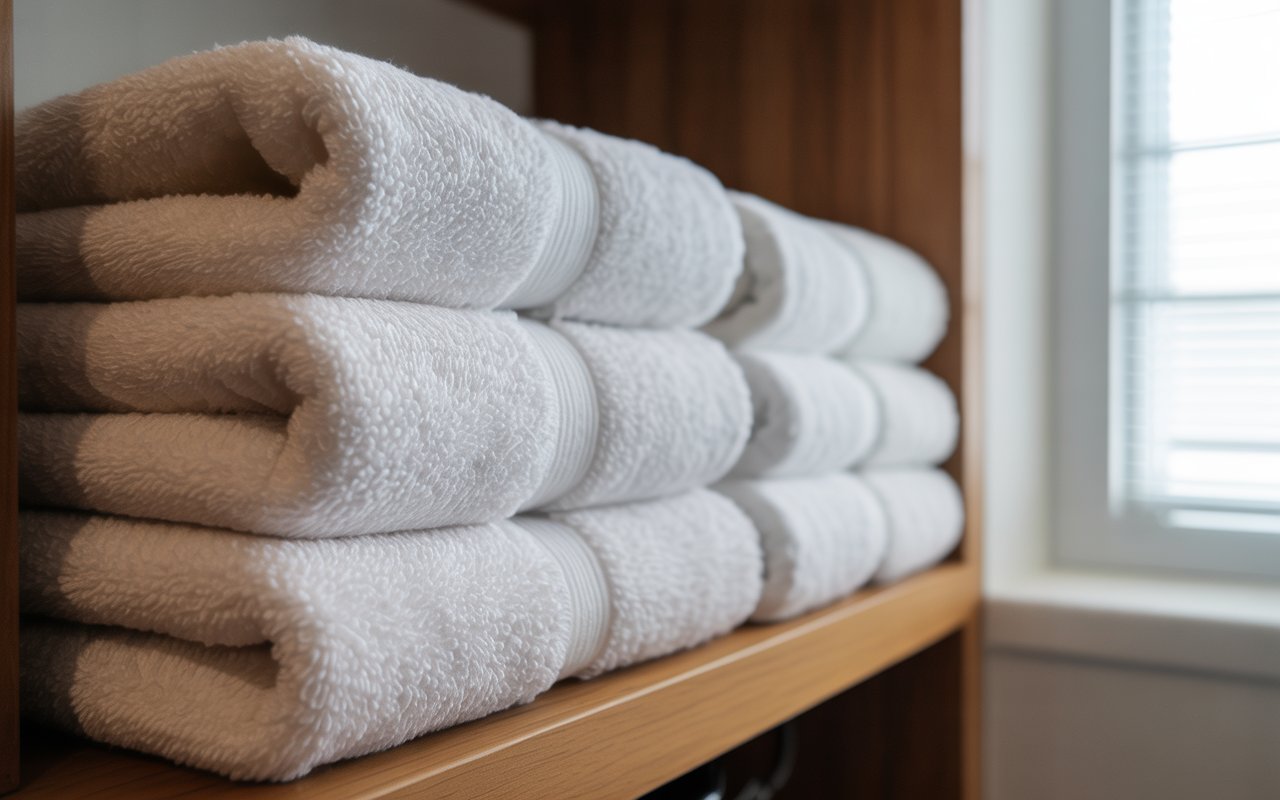
Buying towels may seem straightforward, but a few considerations can help you make a better investment.
Consider the Purpose
Ask yourself:
- Will the towel be used daily?
- Is it for guests?
- Is it intended for travel?
- Will it be used outdoors?
Different situations require different features.
Check Absorbency
A good towel should quickly absorb moisture rather than simply pushing water around.
Evaluate Softness
Softness contributes significantly to comfort. However, extremely soft towels may sometimes sacrifice durability.
Look at Durability
High-quality stitching and strong fibers help towels withstand repeated washing and use.
Choose Appropriate Sizes
Larger towels offer more coverage, while compact options may be more convenient for travel and storage.
H2: Towels and Personal Hygiene
Clean towels are essential for maintaining good hygiene.
Preventing Germ Growth
Damp fabrics can become breeding grounds for bacteria and unpleasant odors if not dried properly.
To reduce risks:
- Hang towels after each use
- Allow complete drying
- Wash regularly
- Avoid sharing personal towels
Skin Health
Fresh towels help minimize irritation and support healthy skin. Using clean linens can be especially important for individuals with sensitive skin.
Bathroom Cleanliness
Regular towel replacement contributes to a cleaner and more pleasant bathroom environment.
H2: Proper Washing and Maintenance
Good care habits significantly extend the lifespan of towels.
Washing Guidelines
For best results:
- Wash according to label instructions
- Separate light and dark colors
- Use appropriate water temperatures
- Avoid overloading the washing machine
Avoid Excess Fabric Softener
While fabric softeners may increase softness temporarily, excessive use can reduce absorbency over time.
Drying Properly
Proper drying helps maintain freshness and prevents mildew.
You can:
- Air dry when possible
- Use a dryer at recommended settings
- Remove promptly after drying
Storage Tips
Store towels in a dry, well-ventilated space to preserve freshness and prevent moisture buildup.
H2: Signs It’s Time to Replace Your Towels
Even the best towels eventually wear out.
Reduced Absorbency
If water remains on the surface rather than being absorbed, the towel may have reached the end of its useful life.
Persistent Odors
Unpleasant smells that remain after washing can indicate deep fiber deterioration.
Fraying Edges
Loose threads and worn seams often signal aging fabric.
Rough Texture
When softness disappears despite proper care, replacement may be worthwhile.
Visible Thinning
Thin spots and worn areas reduce performance and comfort.
H2: Eco-Friendly Towel Choices
Many consumers are becoming more conscious of sustainability.
Natural Fibers
Natural materials are often favored because they are renewable and biodegradable.
Long-Lasting Products
Buying durable towels reduces waste by minimizing replacement frequency.
Responsible Washing Habits
Simple habits can reduce environmental impact:
- Wash full loads
- Use energy-efficient settings
- Air dry when practical
- Avoid excessive detergent use
Sustainable Manufacturing
Many brands now focus on environmentally responsible production methods and resource conservation.
H2: Decorative and Lifestyle Benefits of Towels
Towels do more than dry the body—they contribute to the overall atmosphere of a home.
Enhancing Bathroom Design
Matching colors and textures can create a polished appearance.
Popular styles include:
- Minimalist
- Modern
- Rustic
- Coastal
- Luxury spa-inspired
Guest Experience
Fresh, high-quality towels make visitors feel welcome and comfortable.
Creating a Spa-Like Environment
Soft, plush fabrics can transform an ordinary bathroom into a relaxing retreat.
Small details often make a big difference in creating comfort at home.
H2: Common Towel Mistakes to Avoid
Many people unknowingly shorten the lifespan of their towels.
Overwashing
Excessive washing can wear down fibers unnecessarily.
Using Too Much Detergent
Extra detergent often leaves residue that reduces absorbency.
Ignoring Care Labels
Manufacturer instructions exist for a reason and help maintain quality.
Storing Damp Towels
This common mistake can lead to odors and mildew growth.
Choosing Style Over Function
A beautiful towel is useful only if it performs well. Balance appearance with practicality.
Conclusion
Towels are everyday essentials that contribute to comfort, cleanliness, and convenience in countless ways. Although they may seem like simple household items, factors such as material, construction, absorbency, durability, and maintenance all influence their performance. By understanding the various types available and learning how to care for them properly, you can make informed purchasing decisions and enjoy better results from your linens.
Whether you’re selecting bath towels for your family, beach towels for summer adventures, or kitchen towels for daily tasks, investing in quality products and maintaining them correctly can improve both functionality and comfort. A well-chosen towel is more than just fabric—it’s a small but important part of everyday life.
FAQs
1. How often should towels be washed?
Bath towels should generally be washed after three to four uses, while hand towels should be cleaned more frequently due to repeated daily contact.
2. What material is best for highly absorbent towels?
Cotton, especially premium varieties with long fibers, is widely recognized for excellent moisture absorption and comfort.
3. Why do towels lose absorbency over time?
Residue from detergents, fabric softeners, and repeated wear can reduce a towel’s ability to absorb water effectively.
4. How can I keep towels soft without fabric softener?
Using the correct amount of detergent, avoiding residue buildup, and drying towels properly can help maintain softness naturally.
5. How long do quality towels typically last?
With proper care, high-quality towels can remain effective and comfortable for several years before replacement becomes necessary.