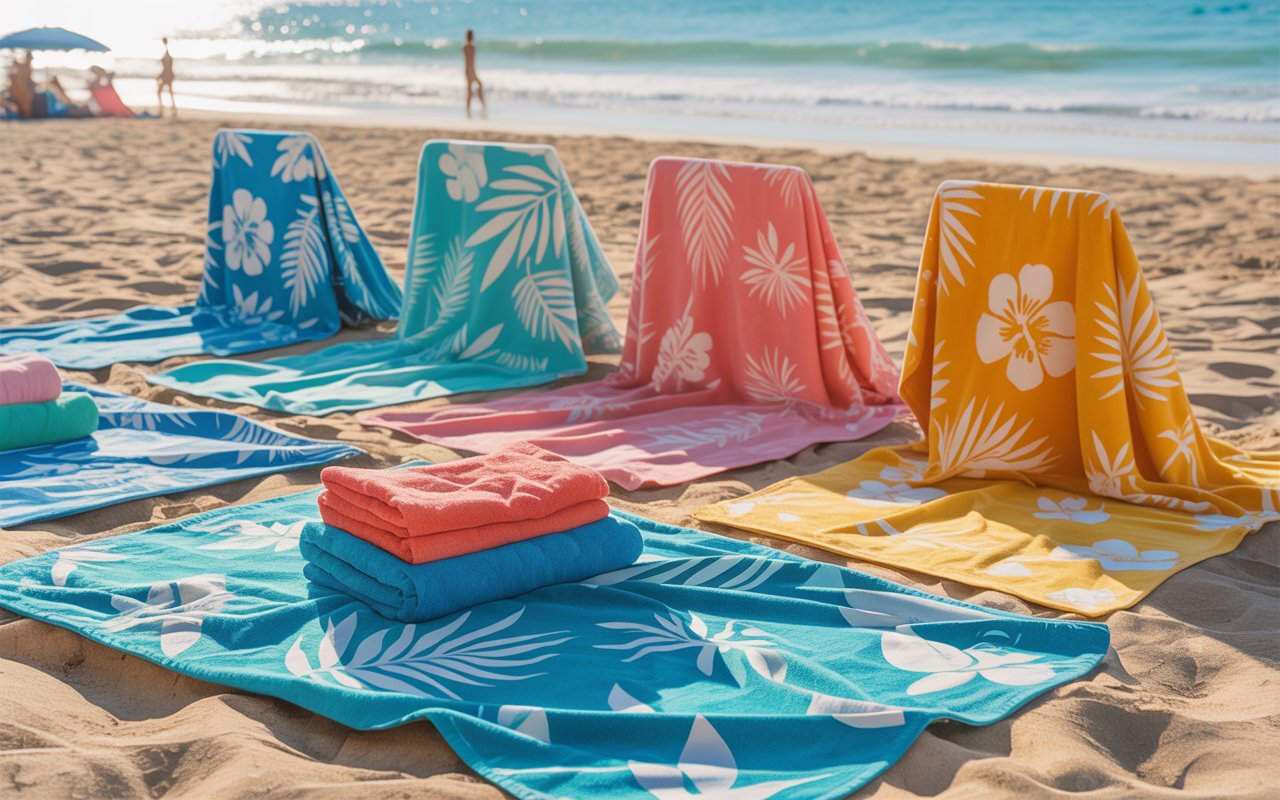
A day at the shore is one of life’s simplest pleasures. The sound of waves, warm sunshine, and soft sand create the perfect setting for relaxation. Yet one item often determines how comfortable that experience becomes: the beach towel. While it may seem like a simple piece of fabric, the right choice can make a significant difference in your outdoor adventures.
Whether you’re planning a family vacation, a solo retreat by the ocean, or a weekend by the pool, understanding what makes a quality towel can help you enjoy your time more. This guide explores everything you need to know, from materials and sizes to maintenance and buying tips.
What Makes a Beach Towel Different?
At first glance, many people assume that all towels are the same. However, those designed for outdoor water activities have unique characteristics that set them apart.
Unlike bath linens, these are typically larger, more colorful, and designed to handle exposure to sand, sunlight, and moisture. Their primary purpose is not only drying but also providing a comfortable surface for lounging.
Think of it as your personal island on the sand—a space where you can relax, read, nap, or simply enjoy the view.
Key Features
- Larger dimensions for comfort
- Quick moisture absorption
- Lightweight construction
- Attractive designs and patterns
- Easy portability
These qualities make them an essential travel companion for seaside adventures.
Choosing the Right Material
One of the most important factors to consider is fabric composition. Different materials offer distinct advantages depending on your preferences.
Cotton
Cotton remains one of the most popular options because of its softness and absorbency.
Benefits:
- Comfortable against the skin
- Excellent water absorption
- Durable with proper care
- Widely available
This material is ideal for those who prioritize comfort and traditional softness.
Microfiber
Microfiber has gained popularity among travelers and outdoor enthusiasts.
Benefits:
- Dries rapidly
- Lightweight
- Compact when folded
- Sand-resistant
People who frequently travel often appreciate how little space microfiber occupies in luggage.
Turkish Cotton
This premium fabric combines luxury with practicality.
Benefits:
- Soft texture
- Quick drying performance
- Long-lasting quality
- Elegant appearance
Many travelers consider Turkish cotton products a worthwhile investment because they become softer over time.
Bamboo Blends
Bamboo-derived fibers are increasingly common in textile manufacturing.
Benefits:
- Smooth feel
- Good moisture management
- Eco-friendly appeal
- Lightweight construction
These blends often attract environmentally conscious consumers.
Understanding Size Options
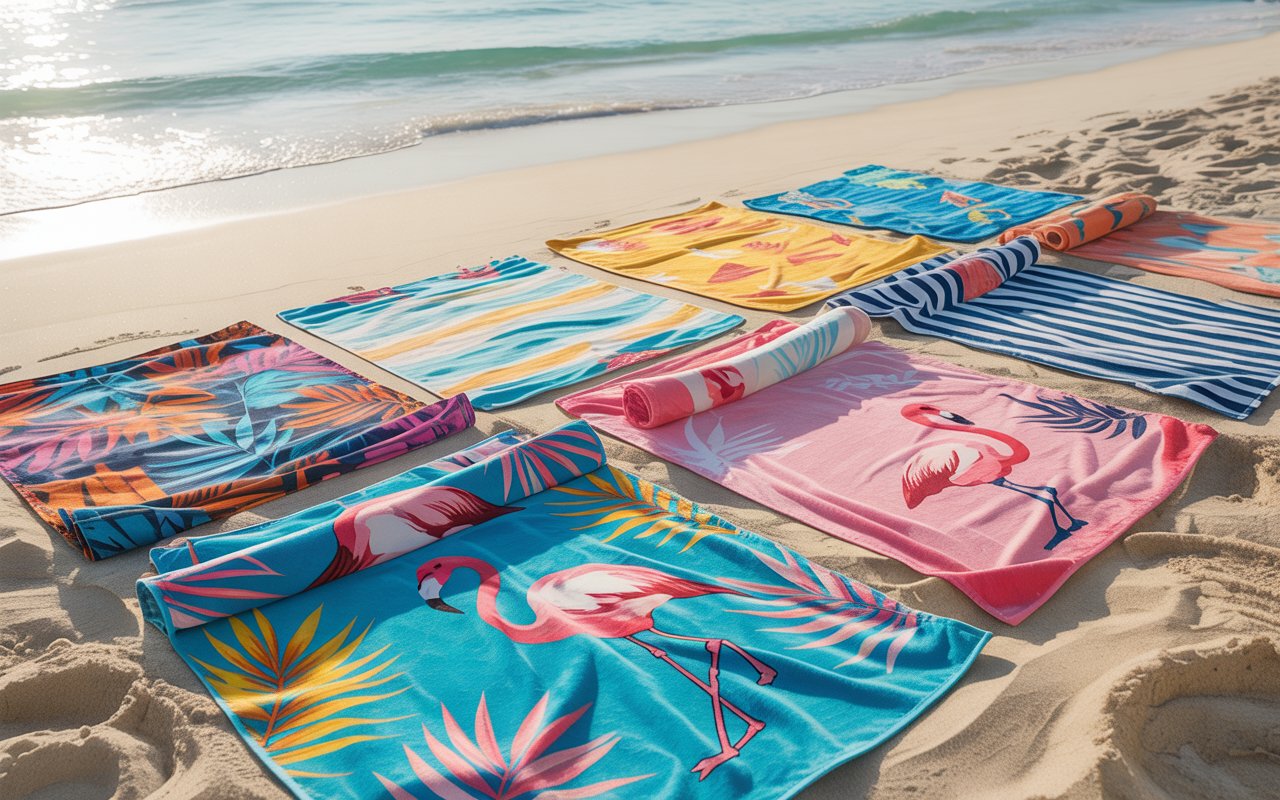
Size plays a major role in comfort and usability.
Standard Size
A standard option works well for individuals who primarily need a surface for drying off after swimming.
These are generally easy to carry and fit into most bags.
Oversized Options
Larger versions provide significantly more room for stretching out.
They are ideal for:
- Tall individuals
- Couples
- Families with children
- Extended lounging sessions
Extra space can transform a simple beach visit into a much more comfortable experience.
Compact Travel Designs
Travel-friendly versions focus on portability.
Their advantages include:
- Reduced weight
- Easy packing
- Quick drying
- Convenient storage
They are particularly useful for backpackers and frequent travelers.
The Importance of Absorbency
Nobody wants to remain damp after a refreshing swim. Absorbency determines how effectively a towel removes moisture from the body.
High-quality products strike a balance between absorption and drying speed. Extremely thick fabrics may absorb well but take longer to dry. Conversely, ultra-thin materials may dry quickly but provide less comfort.
When evaluating options, consider how you plan to use them. If you spend hours by the water, quick-drying performance may be more valuable than maximum thickness.
Style, Colors, and Designs
Functionality matters, but appearance also plays a role.
Today’s market offers an enormous variety of designs.
Popular Patterns
Some common styles include:
- Stripes
- Tropical prints
- Geometric shapes
- Floral themes
- Nautical motifs
These designs add personality to your outdoor setup.
Bright Colors
Vibrant shades serve practical purposes.
Benefits include:
- Easy identification
- Visibility from a distance
- Attractive photographs
- Fun atmosphere
A bold design can help you quickly locate your spot in crowded areas.
Neutral Tones
Minimalist colors appeal to those who prefer understated elegance.
Popular choices include:
- Beige
- Gray
- White
- Navy
- Earth tones
These options often coordinate well with other travel accessories.
Sand Resistance: Why It Matters
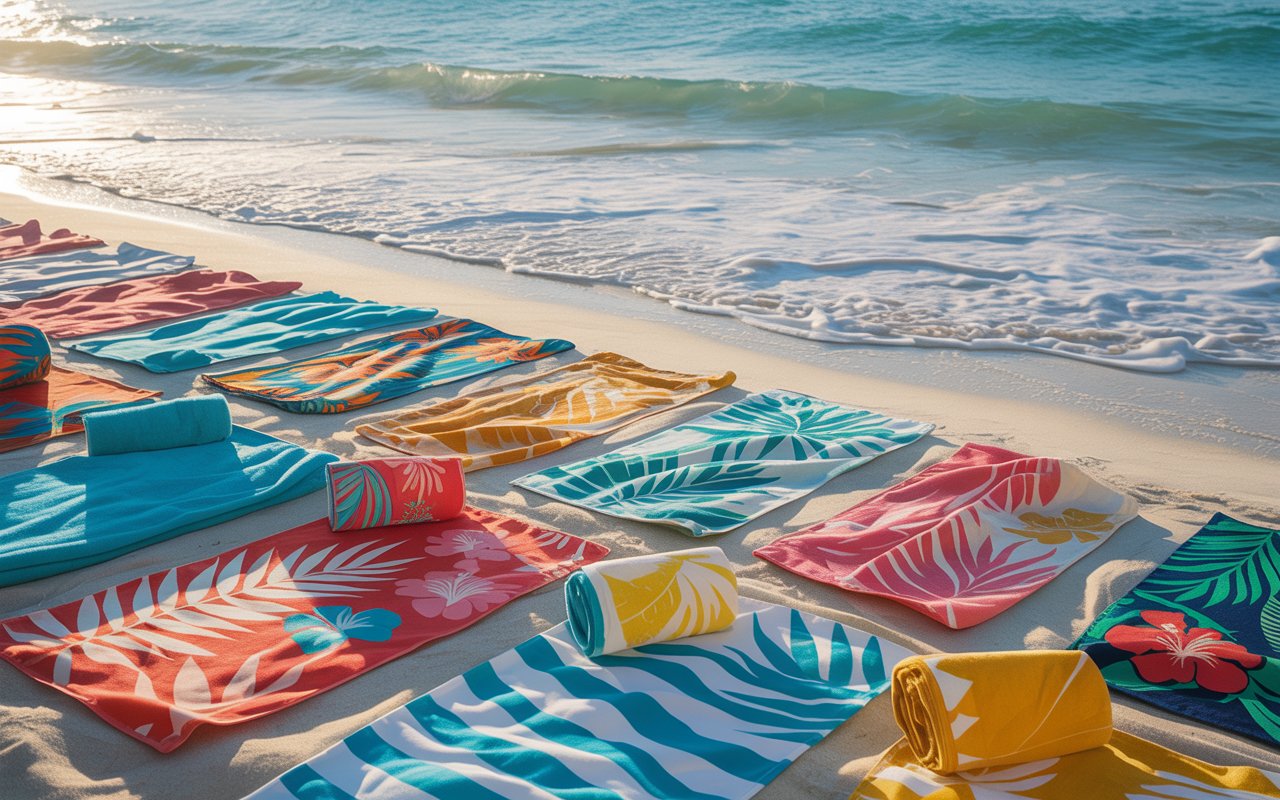
Anyone who has visited a shoreline understands the challenge of dealing with sand.
Traditional fabrics can trap tiny grains that seem impossible to remove. Fortunately, many modern designs are engineered to reduce this problem.
Benefits of Sand-Resistant Fabrics
- Easier cleanup
- Greater comfort
- Less mess in vehicles
- Reduced laundry issues
Microfiber products are especially popular because sand tends to shake off easily rather than becoming embedded in the fibers.
For many beachgoers, this feature alone makes a significant difference.
Portability and Travel Convenience
When packing for a trip, every inch of luggage space matters.
Lightweight Choices
Lightweight options offer several advantages:
- Easier transportation
- Reduced baggage weight
- Faster drying
- Convenient storage
These features become particularly valuable during vacations involving multiple destinations.
Compact Folding
Some modern products can fold into surprisingly small packages.
This allows travelers to carry:
- Sunscreen
- Water bottles
- Books
- Snacks
- Extra clothing
without sacrificing valuable bag space.
Durability and Long-Term Value
A quality towel should withstand repeated use and washing.
Signs of Good Construction
Look for:
- Reinforced edges
- Strong stitching
- Colorfast dyes
- High-quality fibers
These details often indicate superior craftsmanship.
Why Durability Matters
Replacing cheap products repeatedly can become more expensive than purchasing one durable option.
Investing in quality often leads to:
- Better comfort
- Longer lifespan
- Improved appearance
- Greater overall value
A well-made towel can remain useful for many years.
Eco-Friendly Options
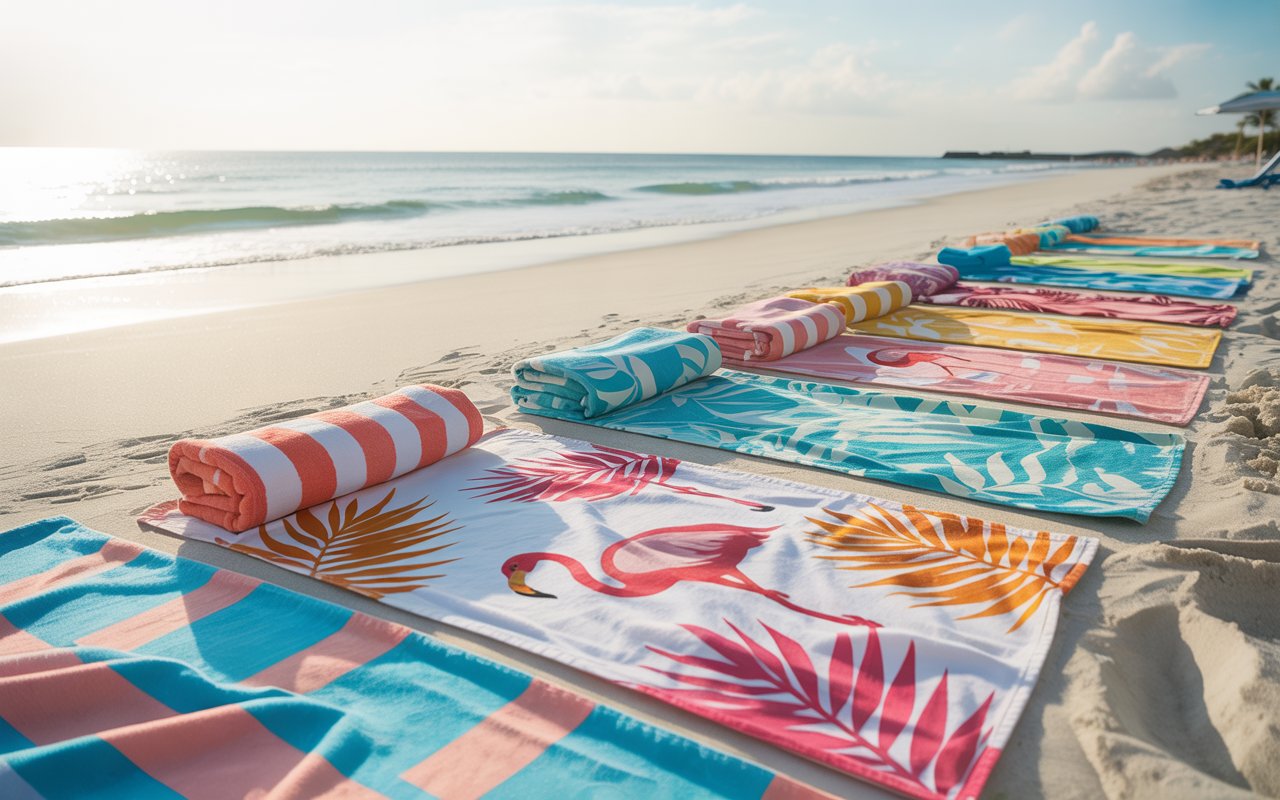
Sustainability has become an important consideration for many consumers.
Manufacturers increasingly offer environmentally conscious products made from responsibly sourced materials.
Sustainable Features
Examples include:
- Organic cotton
- Recycled fibers
- Reduced water usage during production
- Eco-friendly dyes
Choosing sustainable products can help reduce environmental impact while maintaining comfort and performance.
Responsible Care
You can also extend product life by:
- Washing in cold water
- Avoiding excessive detergent
- Air drying when possible
- Storing properly
These habits benefit both the environment and your wallet.
Proper Care and Maintenance
Even the best towel requires proper care.
Washing Tips
For optimal results:
- Wash before first use.
- Separate light and dark colors.
- Use mild detergent.
- Avoid excessive fabric softener.
- Follow manufacturer instructions.
Drying Recommendations
Proper drying helps prevent odors and mildew.
Best practices include:
- Hanging after use
- Ensuring complete drying
- Avoiding prolonged damp storage
- Using adequate airflow
These simple habits can significantly increase longevity.
Storage Advice
Store towels in a cool, dry location.
Avoid:
- Sealed damp bags
- Humid environments
- Direct sunlight for extended periods
Proper storage preserves softness and appearance.
Common Mistakes Buyers Make
Many shoppers focus solely on appearance and overlook practical considerations.
Mistake #1: Choosing Based Only on Color
A beautiful design means little if the towel lacks comfort or absorbency.
Mistake #2: Ignoring Material
Fabric choice greatly influences performance.
Mistake #3: Buying the Cheapest Option
Low-cost products may wear out quickly, resulting in higher long-term expenses.
Mistake #4: Overlooking Size
A towel that feels too small can limit comfort and usefulness.
Mistake #5: Neglecting Care Instructions
Improper maintenance often shortens lifespan significantly.
Avoiding these mistakes can help ensure a satisfying purchase.
Finding the Perfect Match for Your Lifestyle
The ideal beach towel depends on how you plan to use it.
For Families
Consider:
- Oversized dimensions
- Durable materials
- Easy-to-clean fabrics
For Travelers
Look for:
- Compact folding
- Lightweight construction
- Quick drying capability
For Luxury Seekers
Premium cotton and Turkish fabrics often provide exceptional softness and comfort.
For Active Individuals
Microfiber designs offer practicality, portability, and rapid drying.
By matching features to your needs, you can maximize comfort and convenience.
Conclusion
A beach towel may appear simple, but it plays a surprisingly important role in outdoor relaxation. From fabric selection and absorbency to portability and style, several factors influence overall performance. The best choice balances comfort, durability, functionality, and personal preference.
Whether you’re relaxing by the ocean, enjoying a lakeside picnic, or spending time at the pool, the right towel enhances the entire experience. By understanding materials, sizes, care techniques, and essential features, you can make a confident purchase that serves you well for years to come.
FAQs
1. What is the best material for a beach towel?
Cotton is ideal for softness and absorbency, while microfiber is excellent for quick drying and travel convenience.
2. How often should beach towels be washed?
They should generally be washed after every few uses, or immediately if exposed to saltwater, chlorine, or heavy dirt.
3. Are microfiber towels better than cotton ones?
Neither is universally better. Microfiber excels in portability and drying speed, while cotton offers superior softness and comfort.
4. Why do beach towels have larger dimensions than bath towels?
They are designed to provide enough space for lounging, sunbathing, and relaxing while also serving as a drying surface.
5. How can I keep sand from sticking to my towel?
Choose sand-resistant fabrics such as microfiber and shake the towel thoroughly before packing it away.