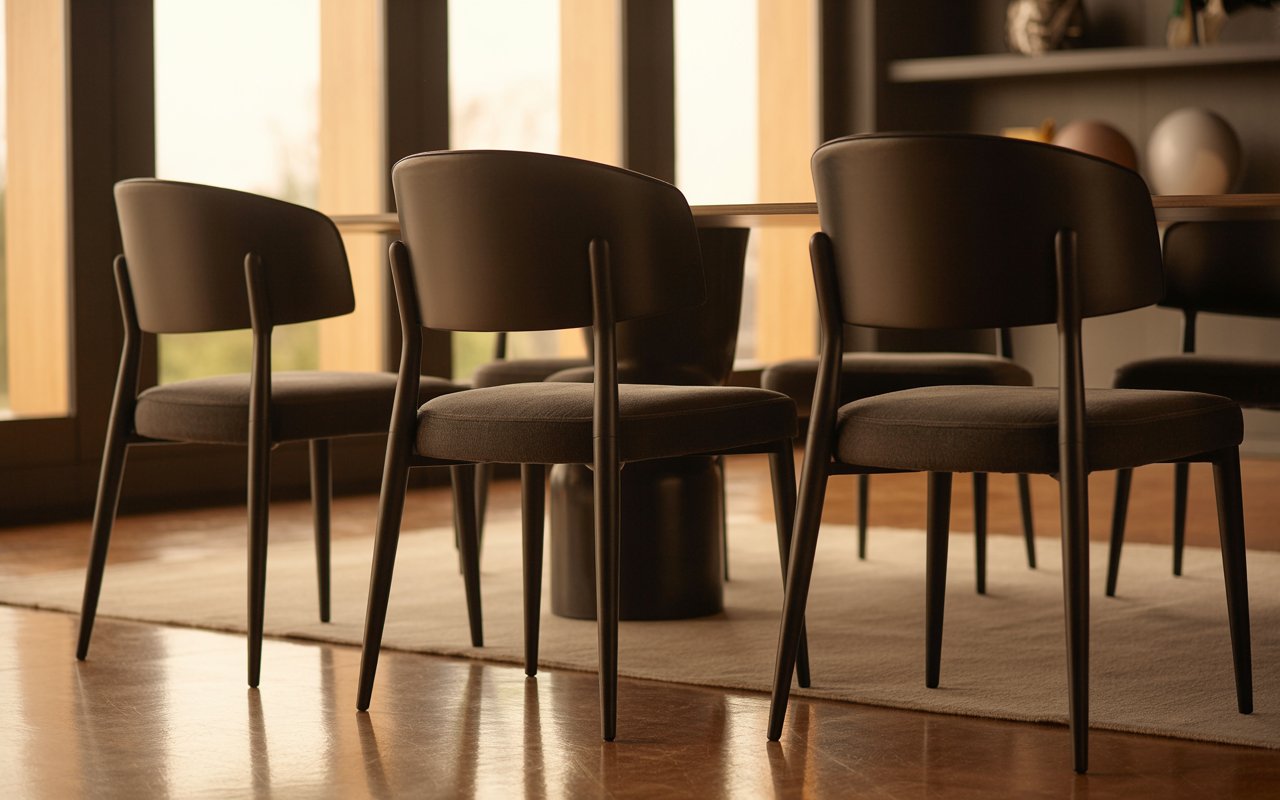
Dining chairs are more than just places to sit. They help create a welcoming atmosphere, bring people together, and add personality to a dining area. Whether you’re enjoying a family dinner, celebrating a special occasion, or simply having your morning coffee, the seating around your table plays an important role in your overall experience.
Choosing the right furniture can feel overwhelming because there are countless designs, materials, colors, and features available. The good news is that finding the perfect option becomes much easier when you understand what to look for. This guide covers everything you need to know, from styles and materials to comfort and maintenance, helping you make an informed decision that suits your lifestyle and home.
Understanding the Importance of Dining Chairs
Many people focus heavily on selecting the perfect table while treating seating as an afterthought. However, chairs contribute significantly to both comfort and visual appeal.
Think of a dining table as the stage and the chairs as the supporting cast. Without the right seating, even the most beautiful table can feel incomplete. The right combination creates harmony, making meals more enjoyable and conversations more comfortable.
Quality seating encourages people to linger longer at the table, turning ordinary meals into memorable experiences.
Different Types of Dining Chairs
The market offers a wide variety of styles designed to fit different needs and preferences.
Side Chairs
These are the most common options found in dining rooms. They typically lack armrests, making them easy to slide under tables and ideal for maximizing space.
Armchairs
Often placed at the heads of the table, armchairs add a sense of elegance and authority. They provide additional comfort and can serve as statement pieces.
Upholstered Chairs
Featuring padded seats and backs, upholstered designs offer exceptional comfort. They work especially well in formal dining rooms where guests may remain seated for extended periods.
Parsons Chairs
Known for their clean lines and simple silhouette, Parsons chairs complement both traditional and modern interiors.
Ladder-Back Chairs
These feature horizontal slats across the back and provide a timeless appearance that fits farmhouse and rustic settings.
Wingback Chairs
Wingback styles bring luxury and sophistication, often creating a dramatic focal point in larger dining areas.
Choosing the Right Material
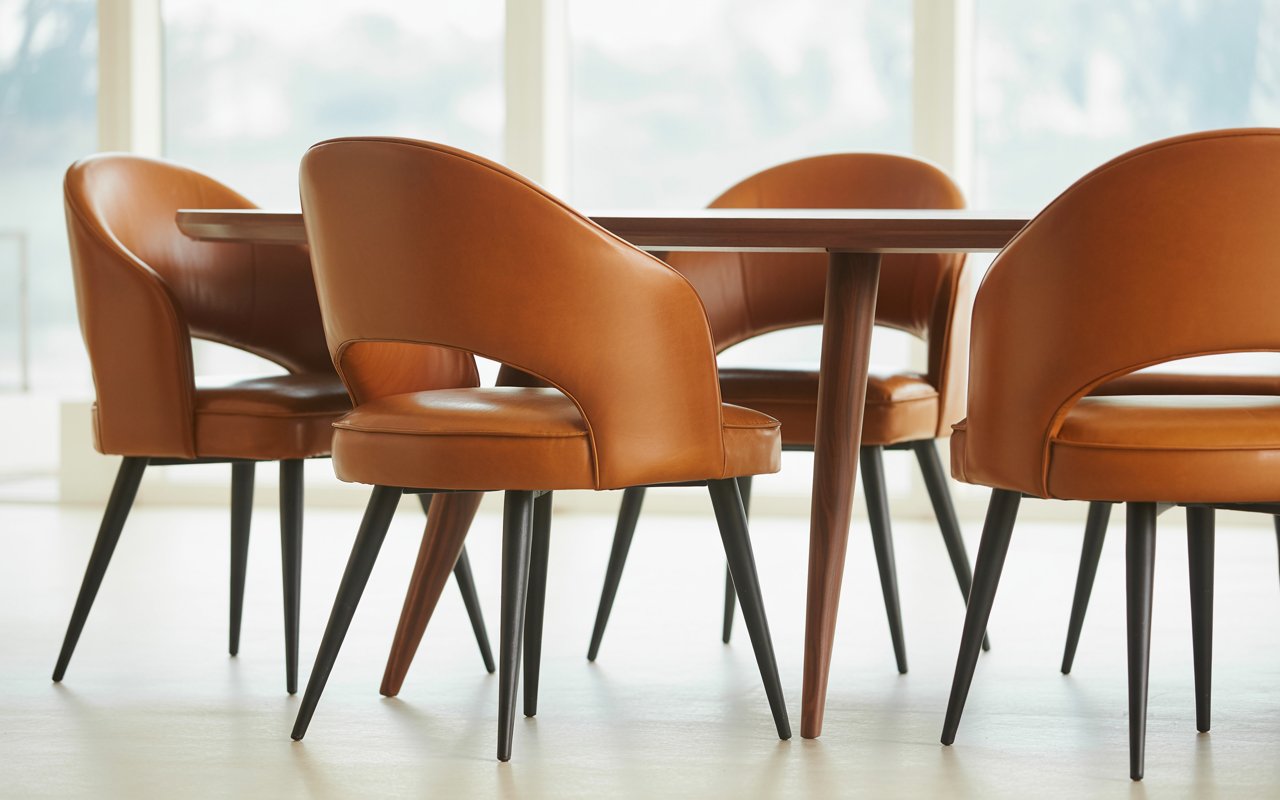
Material selection affects durability, maintenance, appearance, and comfort.
Wood
Wood remains one of the most popular choices due to its strength and versatility.
Common options include:
- Oak
- Maple
- Walnut
- Cherry
- Pine
Wooden seating can complement almost any decorating style, from classic to contemporary.
Metal
Metal frames offer excellent durability and often feature sleek, modern designs. They are resistant to wear and suitable for busy households.
Plastic and Acrylic
These materials provide lightweight and affordable solutions. Transparent acrylic designs can make smaller spaces appear larger and more open.
Rattan and Wicker
Natural fibers create a relaxed and casual atmosphere. These materials are often used in coastal, bohemian, and farmhouse-inspired interiors.
Mixed Materials
Many modern designs combine wood, metal, fabric, and other elements to create unique visual appeal and improved functionality.
Finding the Perfect Style for Your Home
Your dining area should reflect your personality and complement your existing décor.
Modern Style
Modern seating often features:
- Clean lines
- Neutral colors
- Minimal ornamentation
- Simple shapes
These designs create a fresh and uncluttered appearance.
Traditional Style
Traditional pieces emphasize craftsmanship and timeless beauty through carved details, rich finishes, and elegant silhouettes.
Farmhouse Style
Farmhouse-inspired furniture combines comfort and simplicity. Distressed finishes and natural textures are common features.
Industrial Style
Industrial designs showcase raw materials such as steel, iron, and reclaimed wood. They bring character and urban charm to dining spaces.
Scandinavian Style
Scandinavian interiors focus on functionality, light colors, and natural materials. The result is a bright and welcoming environment.
Comfort Matters More Than You Think
A beautiful chair loses much of its value if it isn’t comfortable.
Seat Height
Proper seat height ensures that diners can sit comfortably at the table without feeling cramped or awkward.
Most dining tables pair well with seating heights between 17 and 19 inches.
Seat Depth
Adequate depth supports the thighs while allowing people to sit upright comfortably.
Back Support
Well-designed backs encourage healthy posture and reduce discomfort during longer meals.
Cushioning
Padded seats improve comfort significantly. High-density foam generally offers the best balance between support and softness.
Armrests
Armrests can increase comfort, but they should fit underneath the table when not in use.
Matching Dining Chairs with Tables
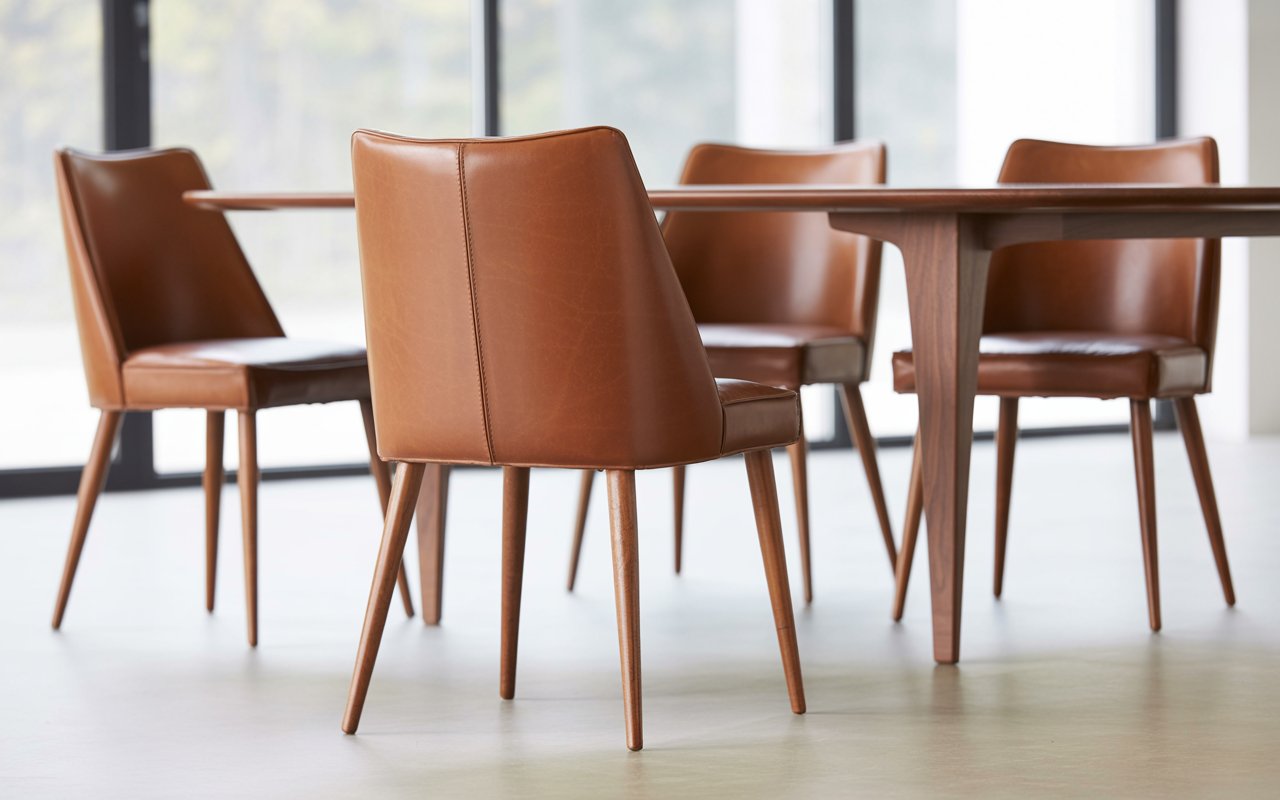
Creating balance between tables and seating is essential for a cohesive look.
Consider Proportions
Large tables require appropriately sized seating. Tiny chairs around a massive table can appear out of place.
Coordinate Materials
Matching materials can create a unified appearance, while mixing materials adds visual interest.
Blend Styles Carefully
Many homeowners now embrace mixed-style dining sets. Combining traditional and modern elements can create a curated, designer-inspired look.
Maintain Visual Balance
If the table features intricate detailing, simpler seating may help prevent the room from feeling overly busy.
Best Dining Chairs for Small Spaces
Limited square footage doesn’t mean sacrificing comfort or style.
Armless Designs
Without armrests, chairs occupy less visual and physical space.
Stackable Options
Stackable furniture provides flexibility when extra seating is needed.
Transparent Seating
Clear acrylic designs create the illusion of openness and reduce visual clutter.
Slim Profiles
Thin frames and streamlined silhouettes help smaller rooms feel less crowded.
Multi-Purpose Seating
Some pieces can function as desk chairs, accent seating, or occasional chairs throughout the home.
Upholstered vs. Non-Upholstered Options
One common debate involves whether to choose upholstered or non-upholstered seating.
Advantages of Upholstered Chairs
- Enhanced comfort
- Softer appearance
- Greater luxury
- Wide range of fabrics
Advantages of Non-Upholstered Chairs
- Easier cleaning
- Better durability
- Lower maintenance
- More affordable options
Which Is Better?
The answer depends on your household. Families with young children may appreciate easy-to-clean surfaces, while those prioritizing comfort may prefer upholstered designs.
Popular Colors and Finishes
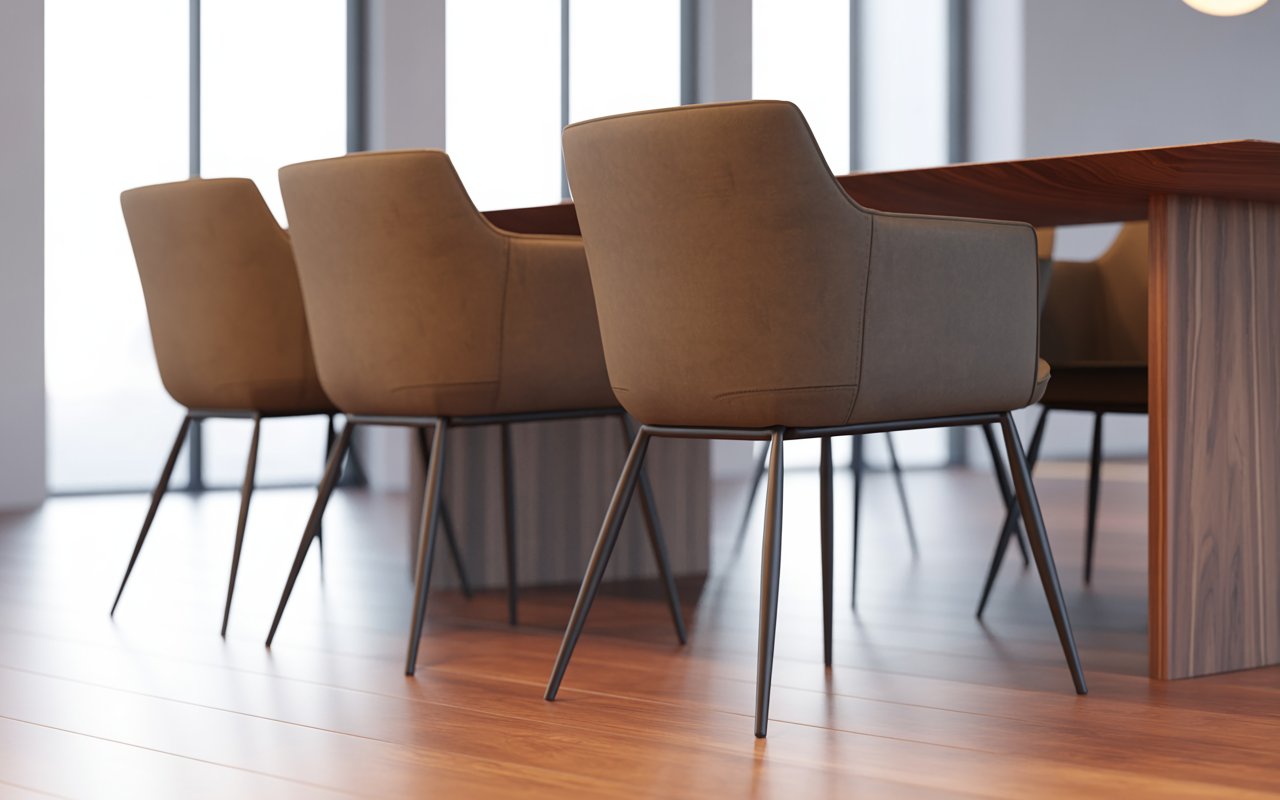
Color selection significantly impacts the overall mood of your dining room.
Neutral Colors
Neutral tones remain popular because they:
- Match most décor styles
- Age gracefully
- Offer decorating flexibility
Dark Finishes
Dark wood and black finishes add sophistication and depth.
Light Finishes
Light-colored furniture creates a bright and airy atmosphere, especially in smaller rooms.
Bold Colors
Vibrant colors can serve as focal points and inject personality into the space.
Natural Finishes
Natural wood grains celebrate organic beauty and create warmth throughout the room.
Durability and Long-Term Value
Furniture represents an investment, making durability an important consideration.
Frame Construction
Strong joints and quality craftsmanship contribute significantly to longevity.
Material Quality
Premium materials generally withstand years of daily use better than lower-quality alternatives.
Weight Capacity
Always check manufacturer specifications to ensure adequate support.
Protective Finishes
Protective coatings help resist stains, scratches, moisture, and everyday wear.
Warranty Coverage
A solid warranty often indicates confidence in product quality and durability.
Caring for Your Dining Chairs
Proper maintenance extends the life of your furniture and preserves its appearance.
Routine Cleaning
Dust and debris should be removed regularly using appropriate cleaning methods for the material.
Protect Against Sunlight
Excessive direct sunlight can fade fabrics and damage finishes over time.
Tighten Hardware
Periodic inspection of screws and joints prevents wobbling and structural issues.
Address Spills Quickly
Immediate cleanup helps prevent permanent stains and damage.
Use Floor Protectors
Protective pads reduce wear on flooring and minimize noise when moving chairs.
Current Trends in Dining Room Seating
Furniture trends continue evolving to meet changing lifestyles and design preferences.
Curved Shapes
Soft curves create a welcoming and contemporary aesthetic.
Sustainable Materials
Eco-conscious consumers increasingly favor responsibly sourced materials and environmentally friendly manufacturing.
Mixed Seating Arrangements
Many homeowners combine benches, armchairs, and side chairs for a more personalized look.
Textured Fabrics
Bouclé, velvet, and woven fabrics add depth and visual interest.
Earth-Inspired Colors
Warm browns, greens, beige tones, and natural wood finishes remain highly popular.
How to Choose the Right Dining Chairs for Your Family
The perfect choice depends on your unique needs.
Ask yourself:
- How often do you entertain guests?
- Do you have children or pets?
- Is comfort your top priority?
- What decorating style do you prefer?
- How much maintenance are you willing to perform?
- What is your available budget?
Answering these questions helps narrow your options and ensures a smarter purchasing decision.
Conclusion
Dining chairs may seem like a simple furniture purchase, but they play a major role in comfort, functionality, and style. The right seating enhances everyday meals, supports meaningful conversations, and contributes to the overall atmosphere of your home. From selecting suitable materials and styles to prioritizing comfort and durability, every decision influences your dining experience. By carefully considering your space, lifestyle, and design preferences, you can choose seating that remains attractive, comfortable, and practical for years to come. A thoughtfully selected set transforms a dining room into a place where family and friends naturally gather, creating memories around the table that last long after the meal is finished.
Frequently Asked Questions
1. How many dining chairs should a table have?
The number depends on the table size. Most standard dining tables comfortably accommodate four to eight chairs, while larger tables can seat ten or more people.
2. What is the most durable material for dining chairs?
Solid wood and metal are generally considered the most durable materials because they withstand daily use and maintain structural integrity for many years.
3. Should dining chairs match the dining table?
They do not have to match exactly. Coordinating styles, colors, or materials often creates a more interesting and personalized look.
4. Are upholstered dining chairs difficult to maintain?
Not necessarily. Many modern fabrics feature stain-resistant treatments, making them easier to clean and maintain than in the past.
5. What is the ideal seat height for dining chairs?
Most dining tables work best with seating heights between 17 and 19 inches, allowing comfortable legroom and proper table clearance.