Introduction
Spending time outdoors has become more important than ever. Whether it’s enjoying a morning coffee on the patio, hosting a backyard barbecue, relaxing beside a pool, or simply watching the sunset, comfortable seating can transform any outdoor area into a welcoming retreat.
Outdoor chairs are more than just functional pieces of furniture. They help define the atmosphere of a space, provide comfort for family and guests, and contribute to the overall appearance of gardens, decks, balconies, and patios. Choosing the right seating option can feel overwhelming because there are so many styles, materials, and features available today.
This comprehensive guide explores everything you need to know about outdoor chairs, from types and materials to maintenance, design trends, and buying tips. By the end, you’ll have a clear understanding of how to select seating that perfectly suits your lifestyle and outdoor environment.
What Are Outdoor Chairs and Why Do They Matter?
Outdoor chairs are specially designed seating solutions built to withstand weather conditions such as sunlight, rain, humidity, and temperature changes. Unlike indoor furniture, they are constructed using durable materials that resist fading, rust, moisture damage, and wear.
Think of outdoor seating as the foundation of your exterior living space. Just as a comfortable sofa anchors a living room, quality outdoor seating creates a place where people gather, relax, and connect.
These chairs serve multiple purposes:
- Providing comfortable seating for relaxation
- Enhancing outdoor aesthetics
- Supporting social gatherings
- Creating functional dining spaces
- Increasing enjoyment of gardens and patios
The right selection can turn an empty outdoor area into a true extension of your home.
Types of Outdoor Chairs
Dining Chairs
Dining chairs are designed for outdoor meals and entertaining. They typically feature upright backs and sturdy frames that promote proper posture during dining.
These are commonly paired with patio tables and are available in various materials, including metal, wood, wicker, and plastic.
Lounge Chairs
Lounge chairs prioritize relaxation. Many include reclining features, adjustable backs, and extended seating areas for stretching out comfortably.
They are ideal for:
- Poolside areas
- Sunbathing
- Reading
- Afternoon relaxation
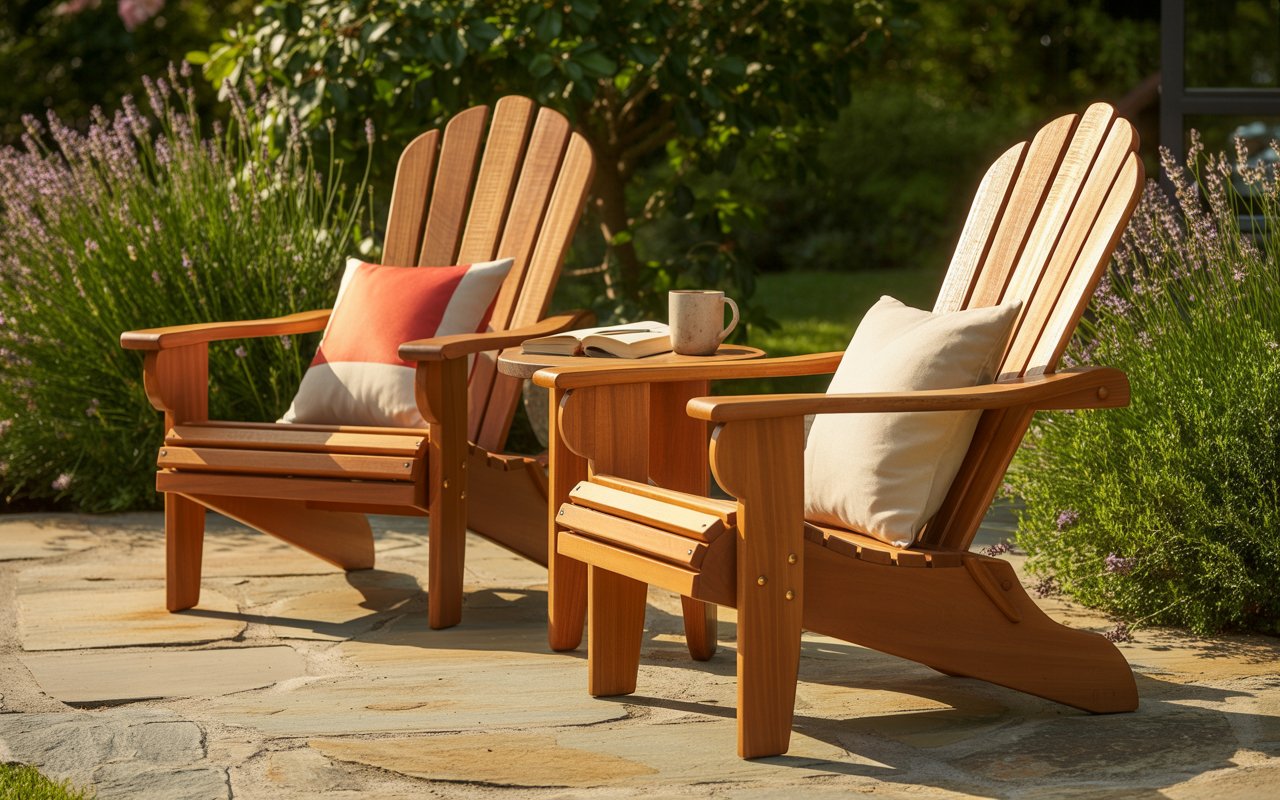
Adirondack Chairs
Known for their wide armrests and slanted backs, Adirondack chairs offer timeless appeal. They are commonly found in gardens, around fire pits, and near lakeside properties.
Their iconic design combines comfort with rustic charm.
Rocking Chairs
Outdoor rocking chairs provide gentle movement that many people find soothing. They are particularly popular on porches and covered patios.
Folding Chairs
Folding models are practical solutions for homeowners who need extra seating without sacrificing storage space. They are lightweight, portable, and easy to store when not in use.
Club Chairs
These chairs feature deep cushions and wide seating areas. They create a cozy atmosphere and often resemble indoor living room furniture.
Choosing the Right Material
Wood
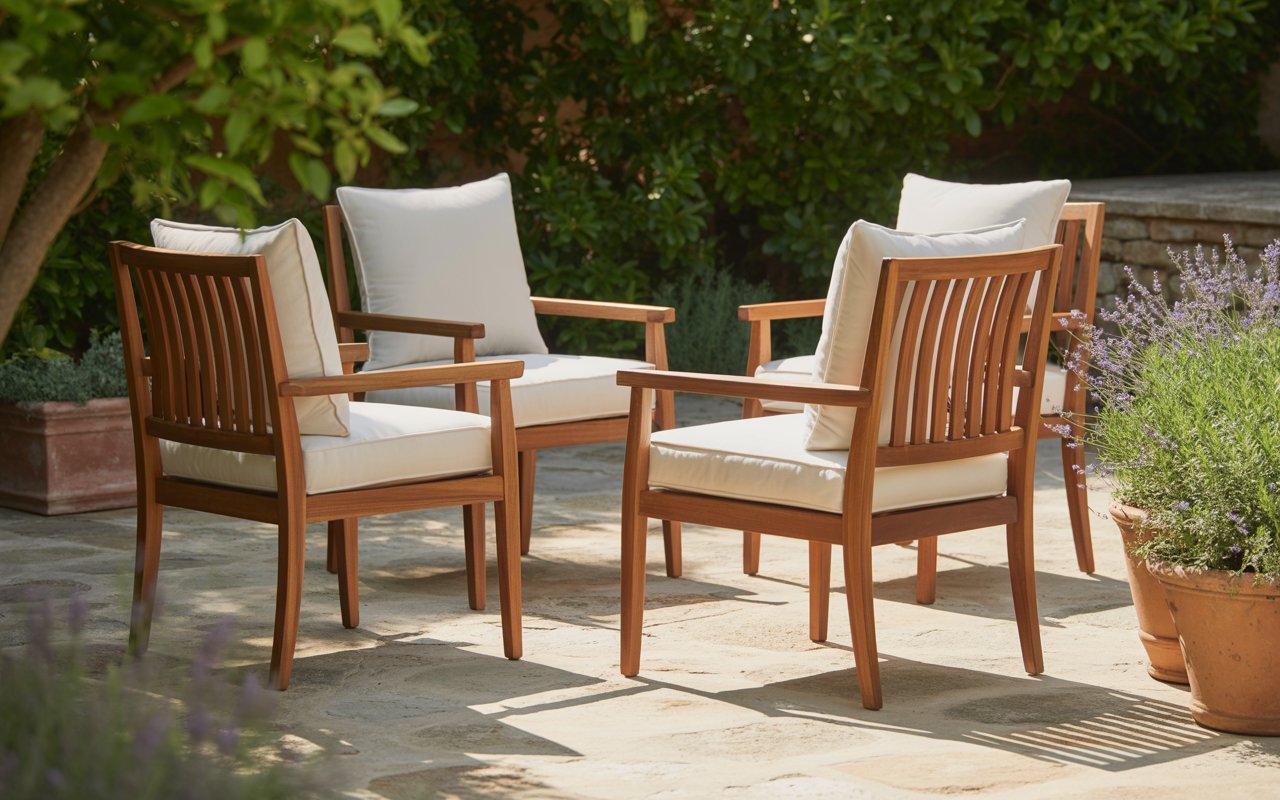
Wood remains one of the most popular choices for outdoor furniture because of its natural beauty and durability.
Popular options include:
- Teak
- Cedar
- Eucalyptus
- Acacia
Teak is especially valued because it naturally resists moisture, insects, and decay.
Advantages:
- Elegant appearance
- Strong construction
- Long lifespan
Considerations:
- Requires periodic maintenance
- Higher upfront cost
Metal
Metal chairs offer excellent durability and a modern appearance.
Common choices include:
- Aluminum
- Steel
- Wrought iron
Aluminum is lightweight and rust-resistant, making it a favorite for many homeowners.
Advantages:
- Strong and sturdy
- Weather-resistant
- Modern aesthetic
Considerations:
- Some metals may become hot in direct sunlight
Wicker and Rattan
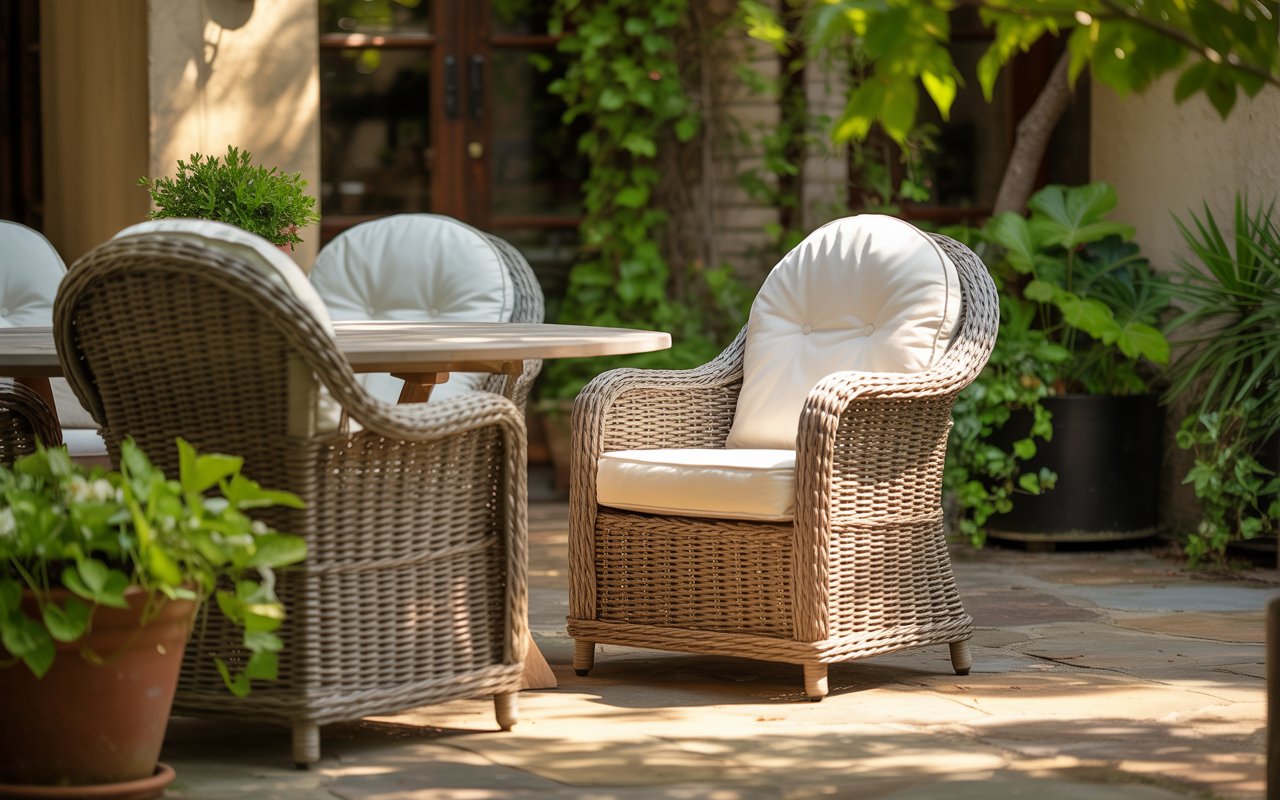
Synthetic wicker has become increasingly popular due to its attractive woven appearance and resistance to weather conditions.
Advantages:
- Stylish texture
- Lightweight
- Comfortable design
Considerations:
- Quality varies significantly among manufacturers
Plastic and Resin
Plastic seating has evolved dramatically over the years. Modern resin furniture can be durable, attractive, and affordable.
Advantages:
- Budget-friendly
- Easy maintenance
- Lightweight
Considerations:
- Lower-quality options may fade over time
Comfort Features to Consider
Comfort plays a major role when selecting outdoor seating. After all, nobody wants furniture that looks beautiful but feels uncomfortable after a few minutes.
Cushions
Quality cushions provide support and softness. Look for fabrics designed specifically for outdoor use.
Important features include:
- Water resistance
- UV protection
- Mold resistance
- Easy cleaning
Ergonomic Design
Well-designed chairs support the body’s natural posture. Features such as curved backs, angled seats, and supportive armrests contribute to overall comfort.
Adjustability
Some chairs allow users to recline or change positions. Adjustable seating provides flexibility for different activities, from dining to relaxing.
How to Match Outdoor Chairs with Your Space
Small Balconies
Limited space requires compact furniture.
Good options include:
- Folding designs
- Stackable seating
- Slim-profile chairs
These maximize functionality without making the area feel crowded.
Large Patios
Spacious patios can accommodate multiple seating arrangements.
You might include:
- Dining sets
- Conversation areas
- Lounge sections
Creating distinct zones helps maximize usability.
Garden Retreats
Garden settings often benefit from natural-looking materials such as wood and wicker.
Comfortable seating nestled among plants creates a peaceful escape.
Poolside Areas
Pool environments require moisture-resistant materials.
Aluminum, resin, and synthetic wicker are excellent choices because they tolerate water exposure well.
Weather Resistance and Durability
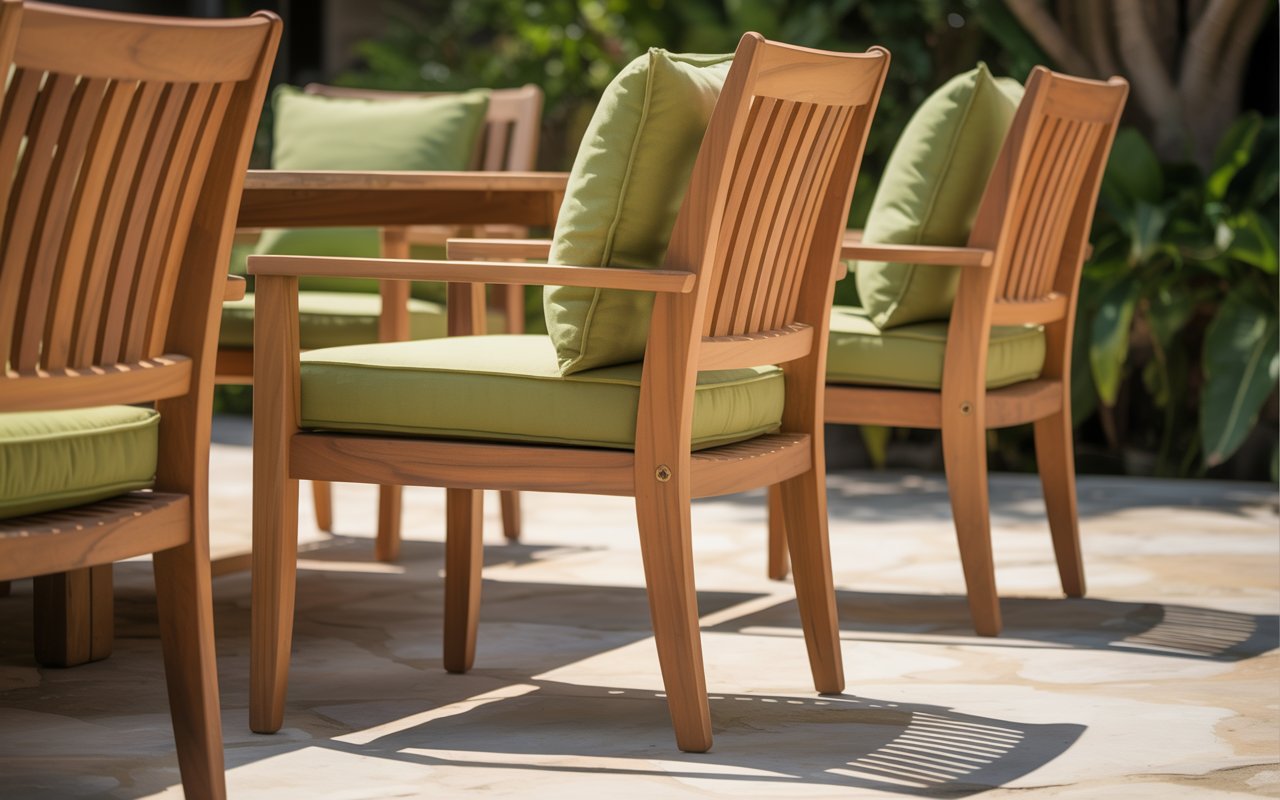
Outdoor furniture faces constant exposure to the elements. Understanding weather resistance helps ensure a worthwhile investment.
Sun Protection
Prolonged UV exposure can fade colors and weaken materials.
Look for:
- UV-resistant finishes
- Fade-resistant fabrics
- Protective coatings
Moisture Protection
Rain and humidity can damage certain materials.
Water-resistant features help prevent:
- Rust
- Mold
- Mildew
- Rot
Wind Stability
In windy regions, heavier furniture or models with secure frames offer greater stability.
Weight and structural integrity are important considerations for exposed outdoor spaces.
Outdoor Chair Styles and Design Trends
Modern Style
Modern designs emphasize clean lines, simplicity, and minimal ornamentation.
Common characteristics include:
- Neutral colors
- Metal frames
- Geometric shapes
Rustic Style
Rustic seating often incorporates natural wood and earthy tones.
This style works beautifully in garden and countryside settings.
Coastal Style
Coastal-inspired furniture creates a relaxed atmosphere.
Features may include:
- Light colors
- Woven textures
- Breezy aesthetics
Bohemian Style
Bohemian outdoor spaces embrace creativity and comfort.
Elements often include:
- Colorful cushions
- Mixed materials
- Decorative accents
Maintenance Tips for Long-Lasting Furniture
Proper maintenance can significantly extend the lifespan of outdoor seating.
Regular Cleaning
Remove dirt, dust, and debris regularly.
Simple cleaning methods often include:
- Mild soap
- Water
- Soft brushes
Protective Covers
Furniture covers shield against rain, sunlight, and debris.
They are one of the easiest ways to preserve furniture quality.
Seasonal Storage
In harsh climates, storing furniture during extreme weather can prevent unnecessary wear.
Garages, sheds, and covered storage areas provide excellent protection.
Inspect Hardware
Periodically check screws, bolts, and joints.
Tightening loose components helps maintain stability and safety.
Budget Considerations When Buying Outdoor Chairs
Outdoor furniture is available across a wide range of price points.
Entry-Level Options
Budget-friendly seating often includes:
- Plastic furniture
- Basic metal designs
- Folding chairs
These work well for occasional use.
Mid-Range Choices
Mid-range options generally provide a balance between quality and affordability.
Common features include:
- Better materials
- Improved comfort
- Enhanced durability
Premium Selections
High-end furniture typically offers superior craftsmanship, premium materials, and longer warranties.
Although more expensive initially, these products often provide better long-term value.
Sustainable and Eco-Friendly Choices
Many consumers now prioritize sustainability when purchasing furniture.
Environmentally conscious options include:
Recycled Materials
Furniture made from recycled plastic helps reduce waste while offering impressive durability.
Responsibly Sourced Wood
Certified wood products support responsible forestry practices.
Long-Lasting Construction
Durable furniture reduces the need for frequent replacements, minimizing environmental impact over time.
Choosing quality products is often one of the most sustainable decisions a homeowner can make.
Common Mistakes to Avoid
When shopping for outdoor seating, many buyers make avoidable mistakes.
Ignoring Climate Conditions
Furniture that performs well in one climate may struggle in another.
Always consider local weather patterns before purchasing.
Prioritizing Appearance Over Comfort
A beautiful chair is not very useful if nobody enjoys sitting in it.
Comfort should always be part of the decision-making process.
Overlooking Maintenance Requirements
Different materials require different levels of care.
Understanding maintenance expectations prevents future disappointment.
Buying Without Measuring
Always measure your available space before purchasing furniture.
This simple step can prevent costly sizing mistakes.
Conclusion
Outdoor chairs play a vital role in creating comfortable and inviting exterior living spaces. Whether you’re furnishing a small balcony, a spacious patio, a peaceful garden, or a poolside retreat, the right seating can dramatically improve your outdoor experience.
From classic wooden designs and modern metal frames to cozy lounge chairs and practical folding options, there is a solution for every style and budget. By considering factors such as material, comfort, durability, maintenance, and design, you can make a confident investment that enhances your outdoor environment for years to come.
A thoughtfully chosen chair is more than a place to sit—it’s an invitation to relax, connect, and enjoy the beauty of the outdoors.
FAQs
1. What is the best material for outdoor chairs?
Teak, aluminum, synthetic wicker, and high-quality resin are among the most durable and weather-resistant materials for outdoor use.
2. How do I protect outdoor chairs from weather damage?
Use protective covers, clean furniture regularly, store it during severe weather, and choose materials designed for outdoor conditions.
3. Are cushions necessary for outdoor seating?
While not always necessary, cushions significantly improve comfort and can enhance the overall appearance of outdoor furniture.
4. How long do outdoor chairs typically last?
The lifespan varies by material and maintenance. Quality furniture can last anywhere from five to twenty years or more with proper care.
5. Can outdoor chairs stay outside all year?
Many weather-resistant models can remain outdoors year-round, but using covers and seasonal storage can help extend their lifespan.