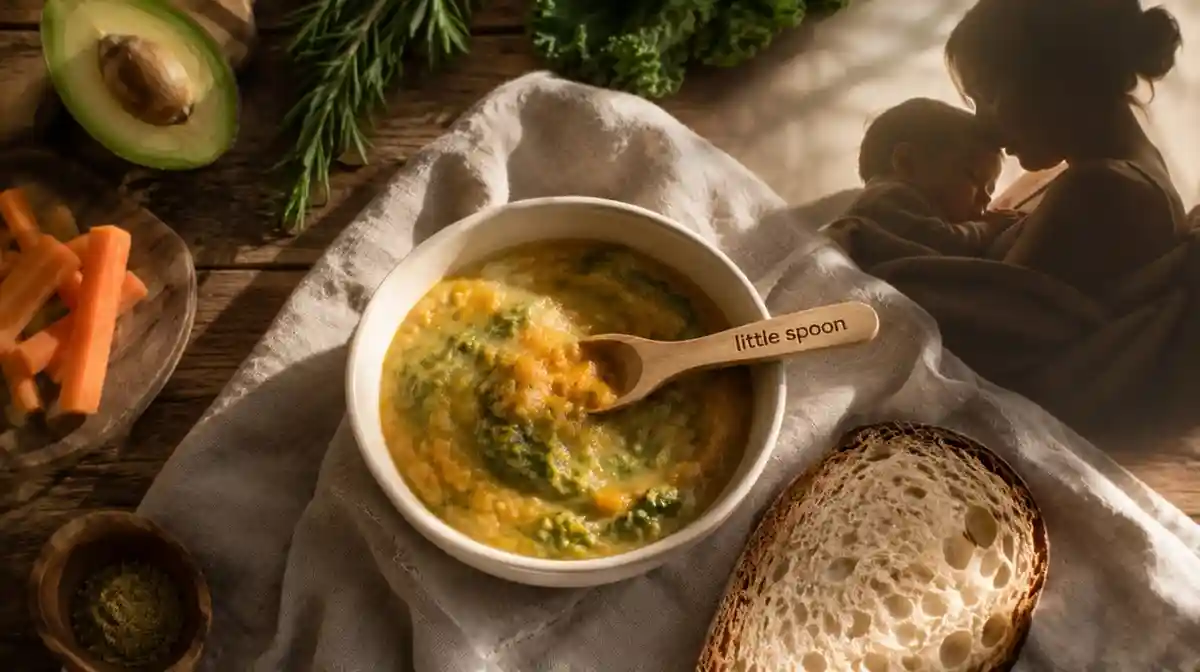
Feeding a baby or toddler feels overwhelming when you crave convenience without sacrificing nutrition. At the same time, you stumble across the phrase “little spoon” and wonder if it’s a cuddling term or a brand you can trust. This guide clears up the confusion. You will learn the real meaning behind big spoon little spoon, then dive deep into Little Spoon — the baby food company that delivers fresh, organic meals right to your door.
What Does “Little Spoon” Mean? (The Cuddling Position)
The phrase little spoon describes the person nestled on the inside during spooning, a popular cuddling position where one partner wraps their body around the other. The “big spoon” is the protective outer partner, while the little spoon feels safe and held. This intimate sleeping or relaxation posture promotes bonding, lowers stress, and triggers oxytocin release. Couples often refer to themselves as the “big spoon” or little spoon based on comfort and preference. The expression shows up in pop culture, memes, and everyday conversations, symbolizing closeness and affection.
The Little Spoon Brand: An Overview
Little Spoon is a direct-to-consumer baby and kids’ food company founded in 2016. The founders chose the name because it reflects nurturing, protection, and care — the same feelings parents give their children.Making clean, organic food free of additives, preservatives, and high-heat processing is at the heart of their goal. The company ships ready-to-eat purees, finger foods, toddler plates, and even sourdough bread. Parents love the subscription model because it tailors deliveries to a child’s age and texture readiness, saving hours of shopping and meal prep.
Little Spoon Baby Food: What’s on the Menu?
Little spoon baby food starts with single-ingredient organic purees for infants four months and older. You select a plan based on your baby’s stage — smooth purees, thicker blends, then chunky mashes. All baby food blends use whole fruits, vegetables, and grains, cold-pressed to lock in nutrients. Popular options include Apple + Kale + Avocado, Sweet Potato + Coconut Milk, and Mango + Carrot + Turmeric. Every batch undergoes rigorous safety testing for heavy metals and contaminants, a standard that exceeds FDA requirements. The baby food line also introduces common allergens like peanut and egg early, following current pediatric guidelines.
Little Spoon Meals for Toddlers and Big Kids
When your child outgrows purees, little spoon meals transition to finger foods, Bento-box-style plates, and smoothies. Toddler and kids’ plates contain hidden veggies, whole grains, and humanely raised proteins. Think Mac + Three Cheese with Butternut Squash, Chicken Nuggets with Cauliflower Coating, and DIY Taco Bowls. Each meal promotes self-feeding and texture exploration. Parents praise the convenience: you pop a plate in the microwave for 45 seconds and serve a nutritionist-designed dish. The toddler menu evolves with your child’s palate, minimizing mealtime battles and food waste.
Little Spoon Farm Sourdough: A Wholesome Addition
Little Spoon Farm sourdough bread is a newer offering that families use as a snack base, toast, or sandwich foundation. This organic sourdough uses a slow-fermentation process, which breaks down gluten and improves digestibility. The brand highlights that the bread contains zero artificial preservatives or sweeteners, only flour, water, salt, and a live starter. You can serve it as avocado toast sticks for babies or hearty slices for older kids. The sourdough arrives fresh and freezable, helping you reduce store runs. The little spoon farm concept behind this product emphasizes real ingredients straight from organic farms, not factory processing.
Big Spoon Little Spoon: How the Phrase Connects to the Brand
The brand cleverly borrows big spoon little spoon imagery to express the parent-child relationship. Parents are the protective big spoon, providing nourishment, safety, and warmth; the child is the little spoon, receiving care and comfort. Little Spoon’s marketing, packaging, and website copy reinforce this emotional connection. The visual of a parent embracing a child echoes the spooning pose, making the brand instantly recognizable and memorable. This emotional branding sets Little Spoon apart in a crowded baby food market, where sterile medical claims often dominate.
Little Spoon Reviews: What Parents Are Saying
Honest little spoon reviews reveal consistent praise for taste, texture, and ingredient quality. Parents on Trustpilot (Trustpilot Little Spoon page) rate the service 4.3 out of 5 stars, frequently highlighting the time saved and the confidence that their child eats clean food. Many reviewers mention that picky eaters finish entire plates without fuss. Some critical reviews point to portion sizes for older toddlers or shipping delays during peak seasons. Nevertheless, the majority of parents confirm that the subscription removes the mental load of meal planning. The brand actively responds to feedback and offers refunds or replacements for damaged deliveries, which builds customer trust.
Little Spoon Pricing and Subscription Plans
Little Spoon operates on a flexible subscription model. You choose a plan based on your child’s age and pick your delivery frequency — weekly or biweekly. Baby blends cost roughly $2.50 to $3.00 per meal, while toddler and kids’ plates range from $4.99 to $6.50. Anytime you want, you can cancel, pause, or skip. First-time purchases are frequently discounted. The pricing transparency helps you compare directly with homemade meal costs and competitor services. All packages ship in recyclable insulation with dry ice, ensuring cold-chain freshness.
How to Cancel Little Spoon Subscription (Step-by-Step)
The process for how to cancel Little Spoon remains straightforward. Log into your account on the Little Spoon website. Navigate to the “Subscription” or “My Plan” section. Click “Edit Plan” and then select “Cancel Subscription.” The system asks for a reason, but you can skip this step if you prefer. After confirmation, you receive an email summarizing the cancellation and the last delivery date. You can also call customer support at the number provided on the website for assistance. There is no cancellation fee, and you can reactivate your plan anytime with the same profile.
Little Spoon vs. Other Baby Food Delivery Services
Compared to competitors like Yumi and Once Upon a Farm, Little Spoon distinguishes itself with a broader age range — from infancy through big-kid years — and its cold-pressure process. Yumi focuses heavily on organic purees with a modern aesthetic, while Once Upon a Farm emphasizes cold-pressed pouches. Little Spoon stands out because of the plate-based toddler and kids’ meals, making it a one-stop shop. Additionally, the inclusion of little spoon farm sourdough gives it a unique bakery angle that competitors lack. As a child grows, a seamless meal solution is created by combining baby food, toddler plates, and bread.
Is Little Spoon Worth It? (Pros and Cons)
Parents regularly ask whether this service justifies the cost. Here is a quick rundown.
Pros:
- 100% organic, non-GMO ingredients
- Cold-pressing preserves more vitamins than conventional jarring
- Meals arrive fresh, not shelf-stable with preservatives
- Covers every stage from purees to solid plates
- Transparent safety testing, including heavy metal screening
- Easy skip, pause, or cancel features
Cons:
- Higher price point compared to store-bought jars
- Some regions experience longer shipping times
- Plastic packaging, though the brand works on sustainability improvements
If you prioritize ingredient integrity and time savings, Little Spoon delivers exceptional value. If budget remains the primary concern, mixing a few Little Spoon meals per week with homemade options strikes a good balance.
Little Spoon’s Commitment to Organic Ingredients and Safety
Transparency is the foundation of the brand’s trustworthiness. Little Spoon publishes its testing standards openly, using an FDA-approved lab to screen for over 400 contaminants, including heavy metals, pesticides, and plastics. The company also partners with organic farms that follow regenerative practices, supporting soil health and biodiversity. Their baby food line meets the EU’s stricter heavy metal regulations, which are often more stringent than U.S. limits. These practices align with the Clean Label Project’s purity standards (Clean Label Project study on baby food). Parents can scan a QR code on each package to trace the ingredient journey from farm to bowl.
| Feature | Little Spoon Baby | Little Spoon Toddler & Kids | Little Spoon Farm |
| Age Range | 4–12 months | 1–7 years | All ages |
| Product Type | Organic purees, early allergen blends | Finger foods, smoothies, full plates | Organic sourdough bread |
| Key Benefit | Smooth texture progression, allergen intro | Hidden veggies, protein-rich, picky-eater friendly | Slow-fermented, digestible, zero additives |
| Preparation | Thaw or serve chilled | Microwave 45–60 seconds | Slice and toast |
| Packaging | BPA-free containers, recyclable insulation | Same as baby line | Compostable bread bag |
| Price per Serving | ~$2.50–$3.00 | ~$4.99–$6.50 | Varies per loaf |
Frequently Asked Questions
1. In a relationship, what does “little spoon” mean?
In cuddling, little spoon refers to the person on the inside who receives the embrace. The position symbolizes safety, trust, and emotional closeness. It’s a non-sexual form of intimacy that strengthens bonding between partners.
2. Is Little Spoon baby food organic?
Yes. Little spoon baby food uses certified organic fruits, vegetables, and grains. The brand cold-presses ingredients to preserve nutrients and avoids all artificial colors, flavors, and preservatives. Every batch undergoes independent lab testing.
3. How do I cancel my Little Spoon subscription?
Log in, go to “Subscription,” select “Edit Plan,” and click “Cancel Subscription.” Confirm the cancellation and check your email for a confirmation message. You can also call customer support directly. No penalties apply, and you keep access to your account.
4. Does Little Spoon offer meals for toddlers?
Absolutely. Little spoon meals for toddlers include nutritious finger foods and full plates like hidden-veggie mac and cheese, chicken nuggets, and balanced smoothies. The menu changes regularly and supports self-feeding milestones.
5. What is Little Spoon Farm sourdough?
Little spoon farm sourdough is an organic, slow-fermented bread made with a live starter, flour, water, and salt. The fermentation process makes it easier to digest and gives it a tangy flavor perfect for avocado toast, sandwiches, or teething snacks.
6. Where can I find honest Little Spoon reviews?
Check Trustpilot, Google Reviews, and parenting forums like What to Expect. Parents consistently mention ingredient quality, convenience, and a noticeable improvement in picky eating habits. The company actively addresses negative feedback to maintain a high rating.
Your Next Step Toward Stress-Free Mealtimes
Little Spoon reshapes how you feed your child — from the first puree to toddler plates and even farm-fresh sourdough. Knowing both the cuddling meaning and the brand’s promise gives you a fuller picture of why this name resonates with so many families. Take a few minutes to browse the current menu, compare plans, and read verified parent stories. Share your own experience or ask a question in the comments below. Your story could help another parent decide. When you feel ready, start a trial box and watch your little spoon light up at mealtime.