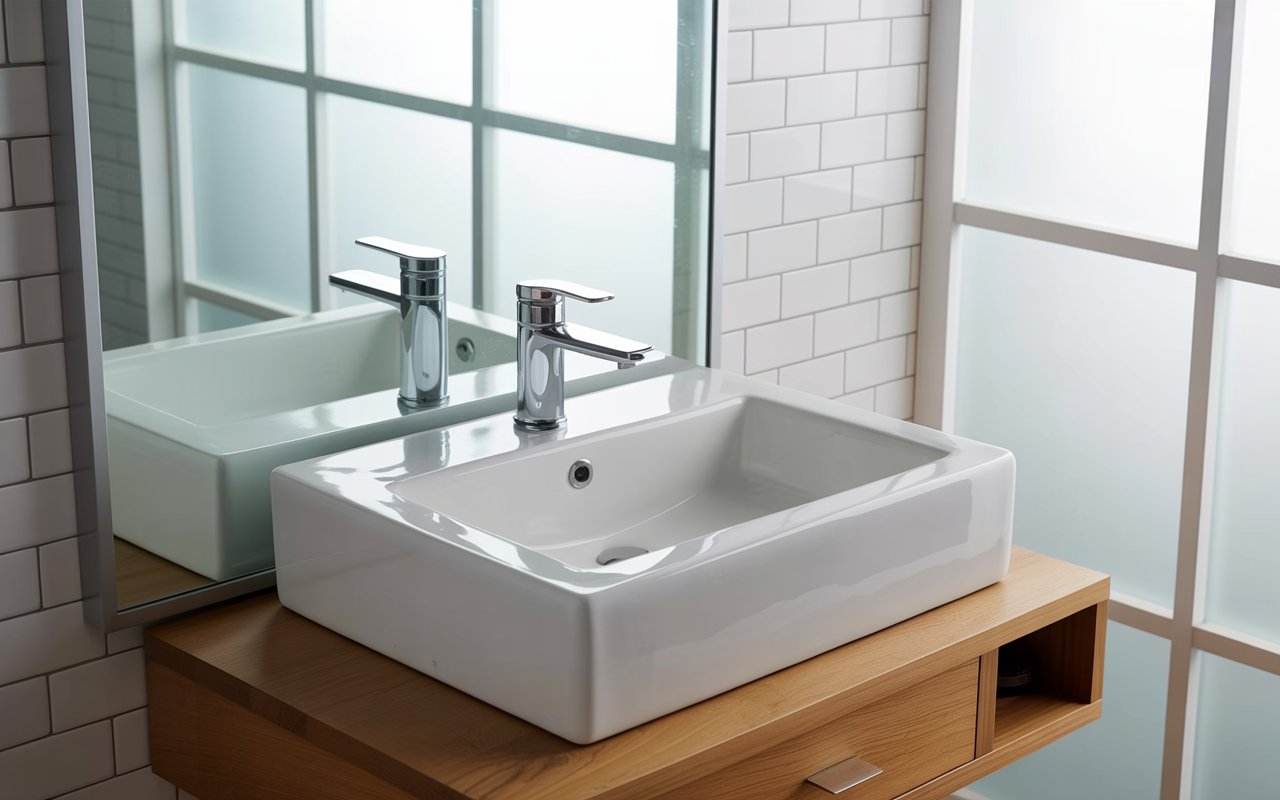
A bathroom sink is more than just a place to wash your hands. It’s one of the most used fixtures in any home and often becomes the centerpiece of the bathroom. Whether you are remodeling your space, building a new home, or simply replacing an outdated basin, choosing the right option can make a huge difference in comfort, appearance, and daily convenience.
Think of it like the steering wheel of a car. You may not notice it every second, but you interact with it constantly. A well-designed wash area improves both function and style while making your routine smoother and more enjoyable.
In this detailed guide, you’ll discover everything you need to know about selecting, maintaining, and upgrading the perfect bathroom sink for your needs.
Types of Bathroom Sink Designs
The market offers a wide variety of sink styles, each with unique features and benefits. Understanding these options helps you choose the best fit for your space and lifestyle.
Pedestal Models
These classic fixtures stand on a slim base and are ideal for small bathrooms. They create an open and airy feel because they take up minimal floor space.
Benefits:
- Elegant and timeless appearance
- Perfect for compact areas
- Easy to install
Drawbacks:
- Limited storage
- Exposed plumbing in some cases
Wall-Mounted Options
These are attached directly to the wall without touching the floor. They are common in modern and minimalist interiors.
Advantages:
- Saves floor space
- Makes cleaning easier
- Adjustable installation height
These work particularly well in apartments and powder rooms where space matters.
Vessel Styles
A vessel sink sits above the countertop like a bowl. It often becomes a decorative focal point.
Popular Materials Include:
- Glass
- Stone
- Ceramic
- Copper
They bring a luxurious and artistic feel but may require more cleaning due to exposed surfaces.
Undermount Fixtures
Installed beneath the countertop, undermount styles create a seamless look.
Why homeowners love them:
- Easy countertop cleaning
- Modern appearance
- Smooth finish
These are commonly paired with marble, granite, or quartz surfaces.
Drop-In Basins
Also known as self-rimming sinks, these are inserted into a cutout in the counter with the edges resting on top.
Key Features:
- Budget-friendly
- Easy replacement
- Suitable for many countertop materials
This design remains one of the most practical choices for family homes.
Choosing the Right Material
The material affects durability, maintenance, appearance, and cost. Some homeowners focus on elegance, while others prioritize practicality.
Ceramic and Porcelain
These are the most common choices because they are durable and affordable.
Pros:
- Scratch resistant
- Easy to clean
- Wide variety of shapes
They suit almost every bathroom style.
Glass
Glass sinks create a sleek and modern vibe. Clear and colored versions are available.
Things to consider:
- Requires frequent cleaning
- Water spots become visible quickly
- Can chip if treated roughly
Despite this, many people love their luxurious appearance.
Natural Stone
Granite, marble, and travertine provide a spa-like atmosphere.
Benefits include:
- Unique patterns
- Premium appearance
- Long-lasting quality
However, stone often needs sealing to prevent stains.
Stainless Steel
Though more common in kitchens, stainless steel can also work beautifully in contemporary bathrooms.
Why choose it:
- Rust resistant
- Hygienic surface
- Durable construction
It’s especially useful in industrial-style interiors.
Copper
Copper develops a natural patina over time, giving it character and warmth.
Interesting feature:
Some copper surfaces naturally resist bacteria, making them a hygienic option.
Understanding Sink Sizes and Dimensions

Size matters more than many people realize. A fixture that’s too large can overwhelm the room, while one that’s too small may cause splashing and inconvenience.
Small Bathrooms
Compact spaces benefit from:
- Corner units
- Wall-mounted styles
- Narrow basins
These maximize movement without sacrificing functionality.
Large Bathrooms
Spacious areas allow for:
- Double sinks
- Wide countertops
- Decorative vessel designs
Dual fixtures are particularly helpful for busy households.
Depth Considerations
Shallow basins look stylish but may splash water outside the bowl. Deeper models contain water more effectively and are often more practical for everyday use.
Popular Bathroom Sink Styles and Trends
Interior trends evolve constantly, and bathroom fixtures are no exception.
Minimalist Designs
Clean lines and simple shapes dominate modern homes. White ceramic with matte black hardware is especially trendy.
Farmhouse Inspiration
Rustic spaces often feature apron-front basins, wood vanities, and vintage faucets.
This style creates warmth and comfort while blending modern convenience with old-fashioned charm.
Luxury Spa Aesthetics
Homeowners increasingly want bathrooms that feel like relaxing retreats.
Common spa-inspired elements include:
- Stone textures
- Floating vanities
- Soft lighting
- Neutral colors
A carefully selected sink becomes part of the calming environment.
Bold Statement Pieces
Some people prefer dramatic colors, unusual shapes, or artistic materials.
Black matte finishes, gold accents, and geometric designs are becoming more popular in high-end interiors.
Faucet Compatibility and Placement
The sink and faucet must work together properly. Choosing them separately without checking compatibility can create installation issues.
Single-Hole Fixtures
These support compact faucets and save countertop space.
Best for:
- Minimalist bathrooms
- Smaller counters
- Contemporary styles
Widespread Faucets
These include separate handles and require more installation space.
They offer:
- Elegant appearance
- Better control
- Luxury appeal
Wall-Mounted Faucets
Mounted above the sink, these create a clean and sophisticated look.
However, installation can be more complicated because plumbing adjustments are often necessary.
Storage and Vanity Considerations

A beautiful sink is important, but storage matters just as much in a functional bathroom.
Vanity Cabinets
Vanities combine storage with countertop space. They help organize:
- Towels
- Toiletries
- Cleaning supplies
- Personal items
Families often prefer larger vanities for better organization.
Floating Vanities
Mounted above the floor, floating designs create a spacious and modern appearance.
Benefits:
- Easier floor cleaning
- Contemporary style
- Visual openness
Open Shelving
Open shelves paired with vessel sinks create a stylish and airy feel.
Decorative baskets and folded towels can enhance the overall aesthetic.
Installation Basics
While some homeowners enjoy DIY projects, professional installation is often safer and more efficient.
What Installation Involves
Typical steps include:
- Removing the old fixture
- Checking plumbing lines
- Securing the new basin
- Connecting drains and faucets
- Testing for leaks
DIY vs Professional Help
DIY installation may save money initially, but mistakes can lead to water damage or plumbing problems later.
Professional plumbers ensure:
- Proper alignment
- Leak prevention
- Safe connections
- Building code compliance
Time Required
Simple replacements may take a few hours, while complete remodels can require several days depending on plumbing adjustments.
Cleaning and Maintenance Tips
Keeping your sink clean improves hygiene and extends its lifespan.
Daily Care
A quick wipe with a soft cloth prevents:
- Soap buildup
- Water stains
- Toothpaste residue
Simple habits make a big difference over time.
Avoid Harsh Chemicals
Strong cleaners can damage finishes, especially on natural stone and metal surfaces.
Mild soap and warm water are usually enough for routine cleaning.
Preventing Clogs
Hair, toothpaste, and debris often accumulate in drains.
Helpful practices include:
- Using drain covers
- Avoiding grease disposal
- Flushing with hot water regularly
Handling Hard Water Stains
Mineral deposits can leave white marks around faucets and bowls.
A mixture of vinegar and water often helps remove buildup naturally.
Budget Planning and Cost Factors
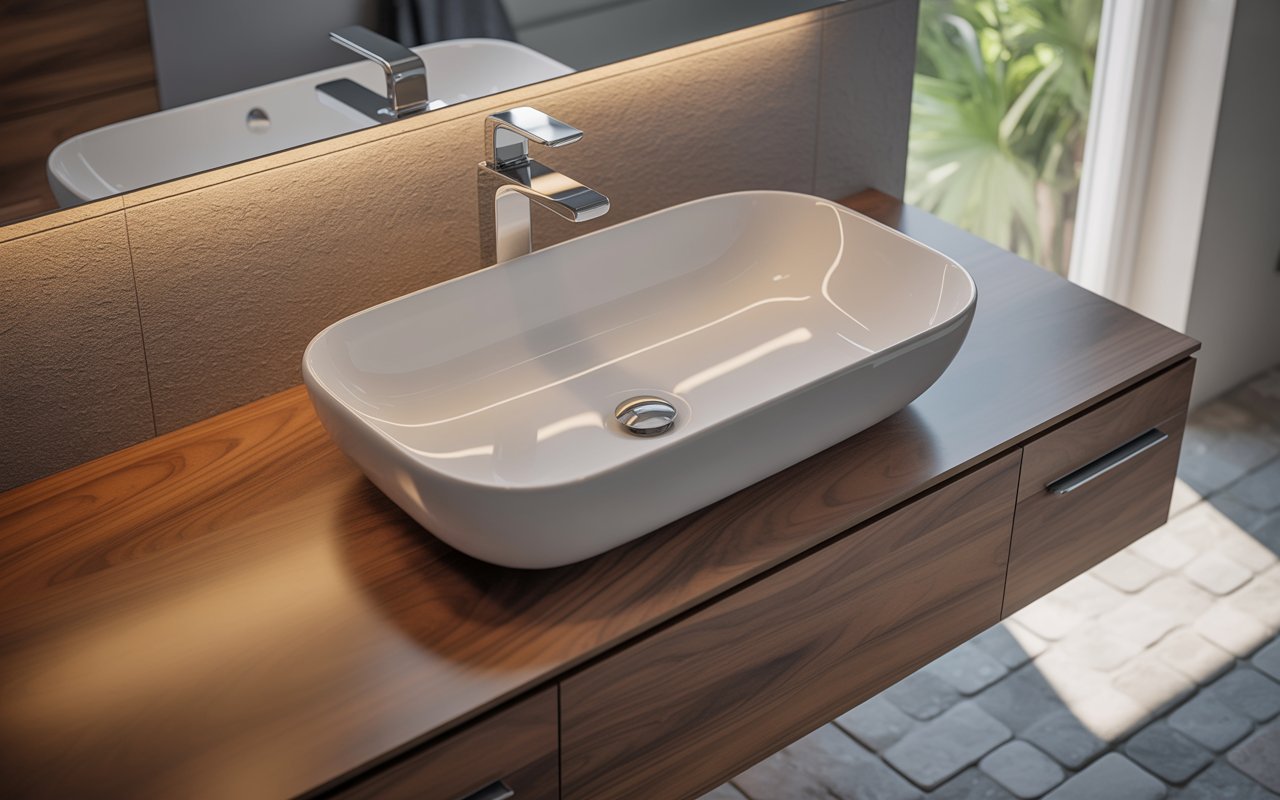
Prices vary widely depending on material, design, and installation complexity.
Affordable Options
Basic ceramic models are usually the most economical.
They provide:
- Reliability
- Easy maintenance
- Wide availability
Perfect for guest bathrooms or rental properties.
Mid-Range Choices
Quartz countertops paired with undermount fixtures offer a balance between style and affordability.
This category is popular among homeowners seeking durability without overspending.
Luxury Investments
Designer brands, handcrafted stone, and custom vanities can significantly increase costs.
While expensive, they may enhance home value and create a premium feel.
Eco-Friendly and Water-Saving Features
Sustainability is becoming more important in modern homes.
Water-Efficient Faucets
Low-flow fixtures reduce water usage without compromising performance.
This helps:
- Lower utility bills
- Conserve resources
- Support environmentally conscious living
Sustainable Materials
Recycled glass, reclaimed wood, and eco-friendly composites are growing in popularity.
These choices reduce environmental impact while still looking stylish.
Long-Term Durability
Choosing quality materials means fewer replacements over time, which also benefits the environment.
Common Mistakes to Avoid
Many homeowners rush decisions and later regret them. Here are some frequent errors.
Ignoring Measurements
A sink that looks great online may not fit properly in your bathroom.
Always measure:
- Counter width
- Depth
- Plumbing placement
- Door clearance
Choosing Style Over Function
An ultra-modern vessel sink may look stunning but could create splashing issues during daily use.
Balance appearance with practicality.
Poor Lighting Considerations
Even the best fixture can lose its appeal under bad lighting.
Proper illumination improves both functionality and atmosphere.
Forgetting Storage Needs
Minimalist designs sometimes sacrifice organization. Make sure the bathroom still meets everyday storage requirements.
How to Match the Sink With Bathroom Décor
Creating harmony in the bathroom requires thoughtful coordination.
Color Coordination
White remains timeless, but black, beige, and gray are increasingly popular.
Matching the basin with wall colors and hardware creates visual balance.
Texture Pairing
Combining smooth ceramic with natural wood or stone creates depth and character.
Contrasting textures often make bathrooms feel more sophisticated.
Hardware Finishes
Popular finishes include:
- Chrome
- Brushed nickel
- Matte black
- Brass
- Gold
Consistency across fixtures creates a polished appearance.
Why the Right Bathroom Sink Matters
The right fixture affects more than appearance. It influences comfort, organization, maintenance, and even your mood.
Imagine starting your morning in a cluttered, inconvenient space versus a clean, organized, and beautiful one. Small details shape everyday experiences more than we often realize.
A carefully selected sink transforms routine tasks into smoother and more pleasant moments.
Conclusion
A bathroom sink may seem like a simple household fixture, but it plays a central role in daily life. From compact pedestal styles to luxurious stone vessel designs, the choices available today fit every budget, taste, and bathroom size.
When selecting the right option, consider functionality, durability, style, maintenance, and storage needs. A thoughtful decision can improve both the appearance and practicality of your space for many years.
Whether you prefer modern minimalism, rustic charm, or spa-inspired luxury, the ideal sink helps create a bathroom that feels comfortable, efficient, and visually appealing.
FAQs
1. What is the best material for a bathroom sink?
Ceramic and porcelain are among the best choices because they are durable, affordable, easy to clean, and suitable for most bathroom styles.
2. How often should a bathroom sink be cleaned?
Daily wiping and weekly deep cleaning are usually enough to maintain hygiene and prevent stains or buildup.
3. Are vessel sinks practical for everyday use?
Yes, but they may require more cleaning and can sometimes cause splashing depending on their depth and faucet placement.
4. What size sink is ideal for a small bathroom?
Compact wall-mounted or pedestal styles work best in small spaces because they save floor area and maintain an open feel.
5. Can I install a bathroom sink myself?
Simple replacements may be manageable for experienced DIY homeowners, but professional installation is recommended to avoid plumbing issues and leaks.