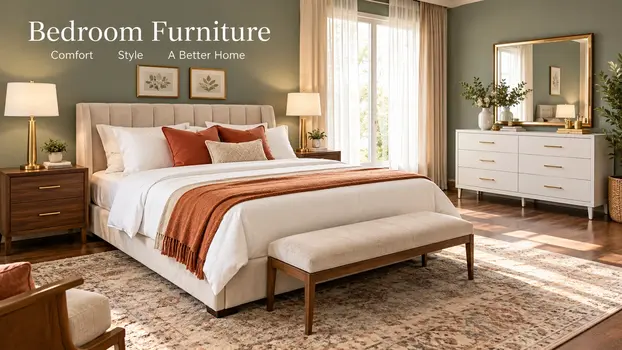
Most people treat bedroom furniture shopping like a last-minute scramble. That’s a $5,000 mistake waiting to happen. Your bedroom isn’t just a place to crash—it’s the one room where design directly impacts your health, mood, and productivity. In this guide, you’ll get the exact blueprint interior designers use to pick, place, and style bedroom furniture that actually works.
Bedroom Furniture Sets: The Smart Starting Point
Why Sets Save You Money and Sanity
Buying a bedroom furniture set beats piecing together individual items every single time. Manufacturers price complete sets 20-30% lower than buying each piece separately. You also skip the nightmare of mismatched finishes and awkward proportions.
Most sets include the essentials: a bed frame, dresser, mirror, and nightstand. Some luxury collections add a chest of drawers, armoire, and bench. Here’s what you typically get at each price tier:
| Price Range | Typical Pieces | Quality Markers |
| $800-$1,500 | Bed, dresser, 2 nightstands | Particleboard, laminate finish |
| $1,500-$3,000 | Bed, dresser, mirror, nightstand, chest | Solid wood frame, veneer finish |
| $3,000+ | Full 7-9 piece collections | Hardwood, dovetail joints, solid hardware |
The sweet spot for most homeowners sits between $1,800 and $2,500. You get solid construction without paying designer markup.
How to Choose the Right Set for Your Space
Measure your room before you fall in love with anything. A queen bed needs at least 10×10 feet of floor space to allow walking paths. If your room measures smaller, consider a full-size bed and skip the armoire.
Check the scale of each piece. Nightstands should match your mattress height within 2 inches. Dressers shouldn’t tower above your bed’s headboard by more than 12 inches unless you want that dramatic look.
Look at the joinery. Dovetail drawers signal quality. Metal glides beat plastic. Solid wood frames last decades; pressboard frames last years.
Finding the Right Bedroom Furniture Store
Online vs. In-Store Shopping
Online stores win on price and selection. You can filter by size, material, and price range in seconds. The downside? You can’t test the drawer slides or check the finish under real lighting.
In-store shopping lets you feel the quality. Sit on the bed frame. Open every drawer. Inspect the corners for sharp edges. Sales staff can also negotiate prices, especially on floor models.
Here’s the hybrid approach pros use:
- Research styles and prices online first
- Visit stores to test the finalists
- Check online reviews for delivery and warranty issues
- Buy where the total cost lands lowest after taxes and shipping
Red Flags That Scream “Avoid This Store”
Never buy from a store that won’t provide a written delivery timeline. Vague answers about shipping delays mean you’ll wait months. Also run from any retailer that charges restocking fees above 15%.
Check their warranty terms carefully. Good stores offer at least a one-year warranty on frames and five years on mattresses. They should cover manufacturer defects, not just shipping damage.
Ask about their wood source. Reputable stores know if their furniture uses solid pine, oak, or just MDF with a wood grain print.
Kids Bedroom Furniture That Grows With Them
Safety Standards Every Parent Must Check
Kids’ furniture follows different rules. Every piece must meet CPSC safety standards. Look for the JPMA certification on cribs and changing tables.
Avoid dressers taller than 30 inches without wall-anchoring kits. Tip-over injuries send thousands of kids to emergency rooms each year. The fix costs $10 and ten minutes.
Skip any furniture with lead-based paint or small detachable parts. If it sounds too cheap, it probably is.
Convertible Designs That Save Thousands
Convertible cribs transform into toddler beds, daybeds, and full-size beds. One smart purchase covers ages zero to eighteen. The conversion kits usually cost $100-$200, but that’s still cheaper than buying three separate beds.
Loft beds with built-in desks serve double duty in small rooms. Your child gets a sleep zone and homework station without crowding the floor space.
Modular storage systems adapt as interests change. Swap superhero bins for sports gear without replacing the whole unit.
Teen Bedroom Furniture That Actually Gets Used
Styles Teens Won’t Roll Their Eyes At
Teenagers reject anything that screams “little kid.” Choose neutral bases with bold accent options. A white or gray bed frame stays relevant through shifting trends. Let them pick the throw pillows and wall art.
Desk space matters more than ever. Online schooling and gaming demand proper ergonomics. A 60-inch wide desk with cable management keeps wires from becoming a biohazard.
Built-in USB ports are non-negotiable. Teens charge phones, tablets, and earbuds constantly. Furniture with integrated charging cuts down on outlet battles.
Storage Solutions for the Chronically Messy
Under-bed storage drawers capture the overflow. Choose beds with 8-12 inches of clearance for shallow pull-out bins.
Over-the-door organizers work for shoes, accessories, and school supplies. They cost under $30 and use dead space most rooms waste.
Pegboards on closet doors create customizable storage. Your teen can rearrange hooks and shelves without you drilling new holes every month.
White Bedroom Furniture Without the Maintenance Headache
Why White Works in Every Style
White furniture opens up small rooms instantly. Natural light bounces off the surfaces, making spaces feel larger. It pairs with every color scheme from coastal blue to industrial gray.
The real magic? White acts as a blank canvas. Swap throw blankets and art pieces to shift the entire vibe without buying new furniture.
Matte white finishes hide fingerprints better than glossy lacquers. Textured woods like shiplap or reclaimed barn wood add depth without darkening the room.
Cleaning Hacks That Keep White Looking New
Dust white furniture weekly with a microfiber cloth. The static charge grabs particles that feather dusters just spread around.
Mix equal parts white vinegar and water for a streak-free cleaner. Spray onto the cloth, not directly onto the wood, to avoid moisture damage.
Touch-up paint pens in satin white fix scratches instantly. Keep one in your cleaning caddy for quick repairs between deep cleans.
How to Arrange Bedroom Furniture Like a Designer
The Layout Principles That Always Work
Start with the bed as the focal point. Place it against the longest wall, centered if possible. You want equal walking space on both sides—minimum 24 inches, ideal 36 inches.
Nightstands flank the bed at mattress height. Dressers go on the wall opposite the bed or perpendicular to the headboard. Never block windows or closet doors.
Here’s a simple formula for small rooms:
- Measure your room and sketch the layout to scale
- Place the bed first, then the largest remaining piece
- Fill in nightstands and lighting last
- Leave at least 30 inches of walkway in front of every drawer
Common Layout Mistakes That Shrink Your Room
Pushing every piece against the wall feels safe but creates a furniture showroom vibe. Pull the bed out 12 inches from the wall instead. The floating effect adds depth.
Oversized rugs make rooms feel chaotic. Your rug should extend at least 18 inches beyond the bed’s sides and foot. If the room measures under 10×10, skip the rug entirely.
Ignoring ceiling height wastes visual space. Tall armoires in rooms with 8-foot ceilings overwhelm the proportions. Low, wide dressers work better.
Should Bedroom Furniture Match? The Real Answer
When Matching Sets Make Sense
Matching sets create calm, hotel-like bedrooms. If you crave that serene, uncluttered feeling, stick with one collection. The unified finish and hardware pull everything together.
Sets also speed up decision fatigue. You pick one style and you’re done. This works great for guest rooms or rental properties where neutral cohesion matters.
Why Mixing Often Looks More Expensive
Designer bedrooms rarely use matching sets. They blend wood tones, metal finishes, and textures deliberately. A walnut bed with brass nightstands reads “custom design” not “furniture package.”
The key is controlling the variables. Mix wood tones but keep the undertone consistent—warm with warm, cool with cool. Vary the materials but repeat metal finishes across pieces.
How to Mix and Match Wood Furniture in Bedroom
The 60-30-10 Rule for Wood Tones
Professional designers use a ratio system. Pick a dominant wood tone for 60% of the pieces—usually the bed and dresser. Add a secondary tone for 30%, like nightstands or a bench. Reserve 10% for accent pieces.
Keep undertones aligned. Cherry, mahogany, and walnut pair beautifully because they share warm red undertones. Oak, pine, and maple work together with their yellow undertones.
Never mix more than three wood tones. Four or more creates visual chaos that no rug or bedding can fix.
Bridging Pieces That Unite Different Woods
Rugs anchor mixed wood tones visually. Choose a rug that contains both wood colors. A blue or neutral rug with brown and black patterns works surprisingly well.
Metal finishes act as bridges. Brushed nickel lamps on a walnut nightstand connect it to a black metal bed frame. The shared cool tone creates cohesion.
Upholstered pieces soften transitions. A linen bench at the foot of the bed ties together dark and light wood pieces without competing.
What Colors Go With Cherry Wood Bedroom Furniture
Cherry’s Warm Undertones Explained
Cherry wood carries rich red and orange undertones. It darkens naturally with age and light exposure, developing a deep patina. This warmth demands a specific color palette.
Cool colors like bright white or icy blue clash with cherry’s warmth. They make the room feel disjointed and cold. You need colors that either complement the warmth or provide intentional contrast.
The Color Palettes That Elevate Cherry Wood
Sage green walls create a nature-inspired sanctuary. The muted green complements cherry’s red undertones without fighting them. Add cream bedding and bronze hardware.
Terracotta and clay accents echo cherry’s earthiness. Throw pillows, woven baskets, and ceramic lamps bridge the wood with the room.
For drama, go deep navy. The bold blue provides sophisticated contrast that makes cherry pop. Keep walls light gray to prevent the room from feeling like a cave.
Warm metallics like gold, brass, and oil-rubbed bronze match cherry’s temperature. Silver and chrome feel out of place unless you’re going for a specific eclectic look.
Frequently Asked Questions
How much should I spend on a quality bedroom furniture set?
Plan on $1,500 to $3,000 for a queen-size set that lasts 10-15 years. Budget sets under $800 use pressboard that sags within a few years. Spending $3,000+ gets you solid hardwood construction and better hardware that survives daily use.
How do I know if bedroom furniture is good quality?
Check the frame material first. Solid hardwood frames with dovetail drawer joints last decades. Pressboard frames with plastic glides fail fast. Test drawers by loading them with weight—quality drawers glide smoothly even when full.
Can I mix different furniture styles in one bedroom?
Yes, but limit yourself to two distinct styles. Pair a modern platform bed with mid-century nightstands, or a traditional dresser with industrial lighting. More than two styles creates visual chaos that confuses the eye.
How often should bedroom furniture be replaced?
Quality bedroom furniture lasts 15-20 years. Replace pieces when joints loosen, drawers stick despite repairs, or finishes wear through to the wood. Mattresses need replacing every 7-10 years regardless of the frame’s condition.
What’s the best way to arrange furniture in a small bedroom?
Float the bed in the center of the longest wall and use nightstands as floating shelves attached to the wall. Skip the dresser and use under-bed storage. Keep the floor visible—cluttered floors make small rooms feel cramped.
Does all bedroom furniture need to be the same height?
No. Varying heights creates visual interest. Nightstands should match mattress height for function, but dressers can tower above the bed. Just keep the tallest piece under 84 inches to maintain proportion.
Final Verdict: Your Bedroom Deserves Better
The secret to great bedroom furniture isn’t spending more—it’s shopping smarter. Start with a solid plan, measure twice, and invest in the pieces you touch daily. Your bed frame and mattress matter most, so splurge there and save on decorative accents.
Mix wood tones deliberately, keep white furniture clean with weekly maintenance, and never let a salesperson rush your decision. The perfect bedroom isn’t about matching sets or trendy colors. It’s about creating a space where every piece earns its place and every morning feels a little easier.