Introduction
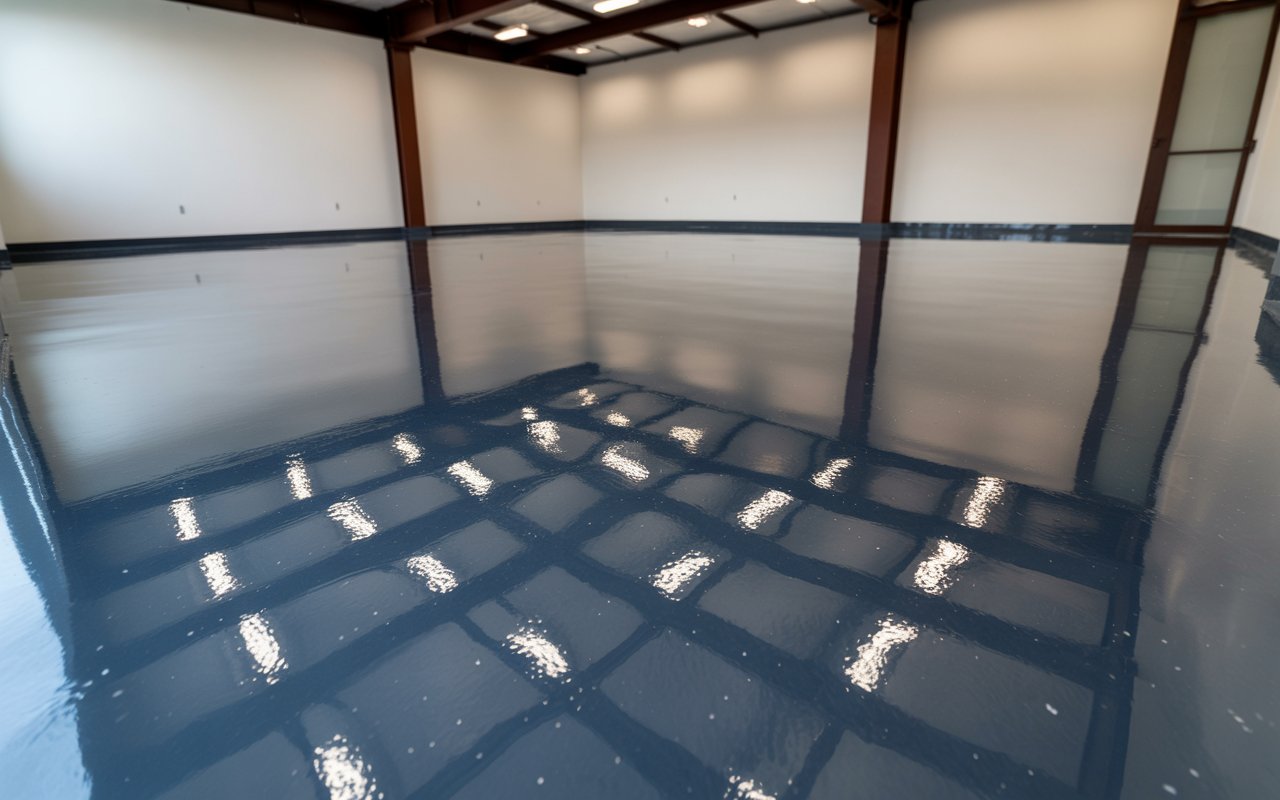
Have you ever walked into a garage, showroom, or even a modern kitchen and noticed a floor that looks shiny, smooth, and almost mirror-like? That’s often a special kind of protective coating that transforms ordinary concrete into something far more durable and attractive. It’s not just about looks either—this surface is known for handling heavy traffic, spills, and daily wear with surprising ease.
In today’s homes and commercial spaces, people want flooring that is both practical and visually appealing. No one enjoys constant repairs, stains that won’t go away, or dull surfaces that lose their charm over time. That’s where this solution quietly shines. It combines strength with style in a way that feels almost like giving your floor a protective armor coat.
In this article, we’ll explore what makes this flooring so popular, how it works, where it is used, and whether it might be the right choice for your space. Let’s break it down in a simple and practical way.
1. What is this type of flooring system?
At its core, this is a protective surface layer applied over concrete. It is made by mixing a resin with a hardening agent, which then creates a solid, durable surface once it sets. Think of it like pouring liquid glass over your floor that later becomes rock-hard.
This coating is known for forming a seamless finish. Unlike tiles or wooden planks, there are no joints or gaps where dirt can hide. That makes it especially popular in places where cleanliness matters.
The final surface can be glossy, matte, or textured depending on the design. It doesn’t just protect the floor underneath—it completely transforms how the surface looks and feels.
2. How does it actually work?
The process behind it is surprisingly simple yet powerful. When the resin and hardener are mixed, a chemical reaction begins. This reaction causes the liquid mixture to slowly turn into a solid, durable layer.
You can imagine it like baking a cake. At first, you have a liquid batter, but once it goes into the oven, it becomes firm and structured. Similarly, this coating starts liquid but ends up as a strong, bonded surface.
Once cured, it sticks tightly to the concrete underneath. This bond is what makes it resistant to peeling, cracking, and heavy impact. The result is a surface that feels almost unbreakable in everyday use.
3. Where is it commonly used?
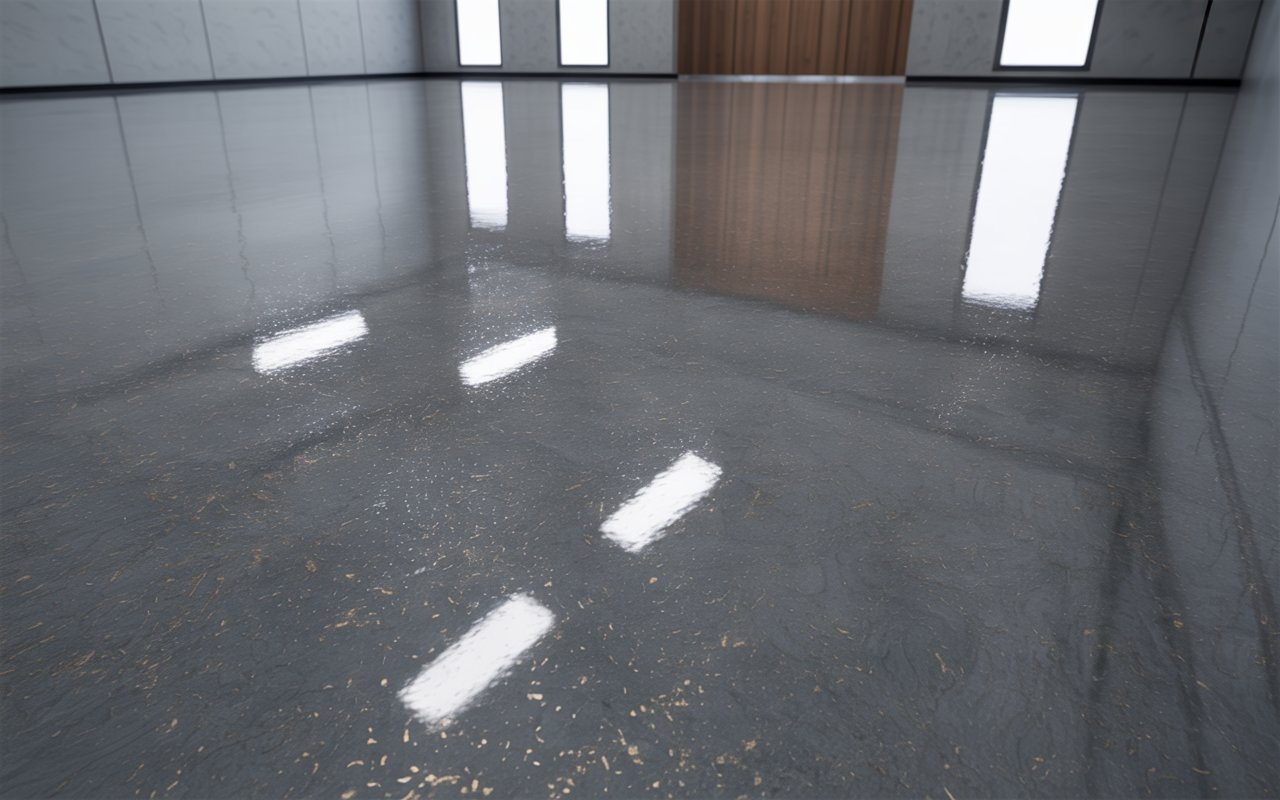
This flooring solution is incredibly versatile. You’ll find it in many places without even realizing it.
In homes, it is often used in kitchens, basements, and garages because it handles spills and heavy furniture well. In commercial spaces, it appears in retail stores, hospitals, and offices where cleanliness and appearance matter.
Industrial environments also rely heavily on it. Warehouses, factories, and workshops prefer it because it can handle machinery, constant movement, and chemical exposure.
Even creative spaces like art studios and modern cafes use it for its clean, stylish finish.
4. Key benefits that make it popular
One of the biggest reasons people choose this flooring is its strength. It can handle heavy loads without breaking or wearing down easily. That alone makes it a long-term investment.
Another major benefit is its easy maintenance. Spills don’t sink in, so cleaning becomes quick and simple. A mop or cloth is often enough to keep it looking fresh.
It also resists stains, moisture, and dust buildup. For people who dislike constant cleaning or repairs, this is a huge relief.
On top of that, it improves lighting in a space because its reflective surface helps brighten rooms naturally.
5. Design and style possibilities
Many people assume this flooring is plain or industrial-looking, but that’s far from true. In reality, it offers a wide range of design options.
You can choose solid colors for a clean and modern appearance. Some prefer decorative flakes that create a textured, multi-tone look. Others go for metallic finishes that resemble flowing marble or liquid metal.
It’s even possible to create custom patterns or logos, especially in commercial settings. This makes it not just a functional choice but also a design statement.
Imagine your floor as a blank canvas—you can shape it to match your personality or brand style.
6. Installation process explained simply
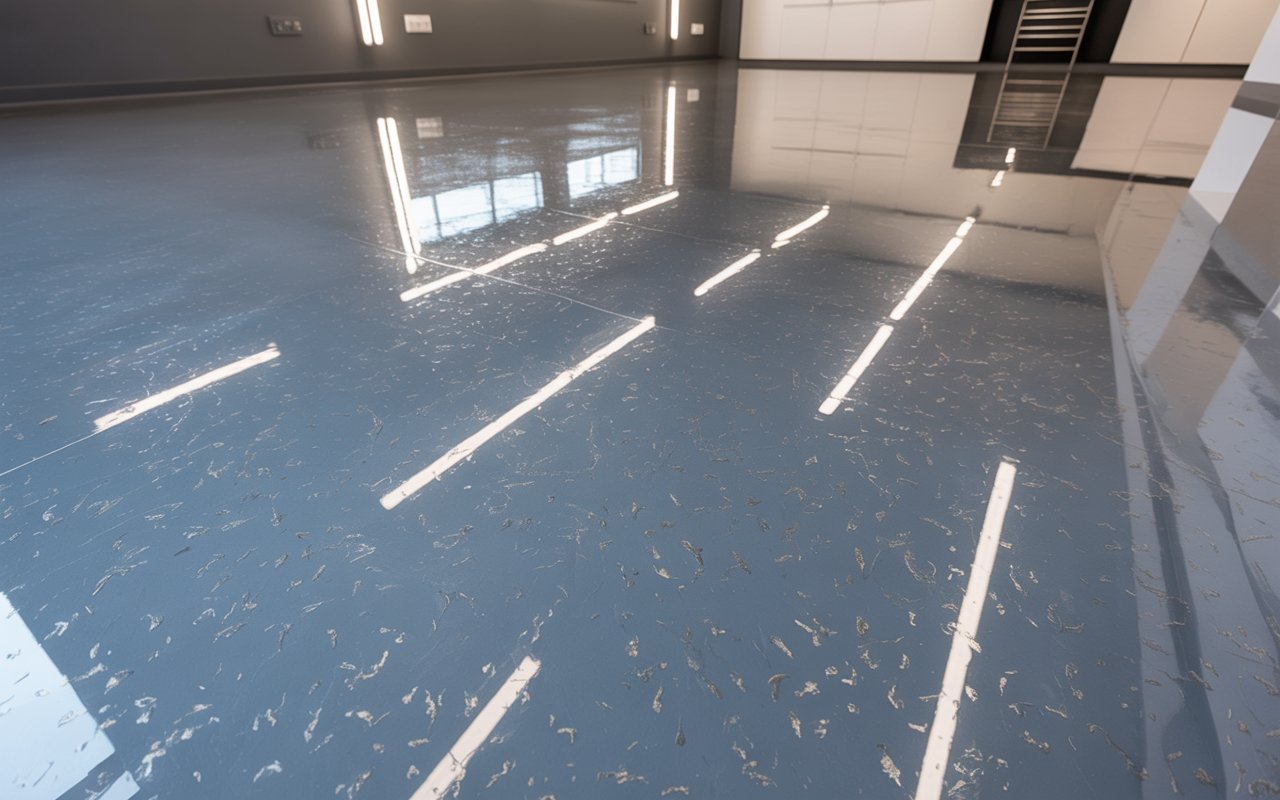
The installation process requires careful steps to ensure long-lasting results.
First, the surface is cleaned thoroughly to remove dust, grease, and old coatings. Then, any cracks or uneven areas are repaired.
Next comes the mixing of the resin and hardener. Once ready, it is applied evenly across the surface using special tools.
After application, it needs time to cure. This means it slowly hardens and bonds with the base surface. Depending on the type used, this may take a few hours to a couple of days.
Finally, a protective top layer may be added for extra strength and shine.
7. Why surface preparation matters so much
If there is one step that should never be ignored, it’s preparation. A weak base can ruin the entire result.
The surface must be completely clean and slightly rough so the coating can grip properly. If oil, dust, or moisture remains, the bond may fail.
Think of it like painting a wall. If the wall is dusty, the paint won’t stick well. The same idea applies here, just on a stronger level.
Good preparation ensures durability, smooth finish, and long life.
8. Maintenance and cleaning tips
One of the best things about this flooring is how easy it is to maintain. Regular sweeping removes dust and debris. For deeper cleaning, mild soap and water are usually enough.
There’s no need for harsh chemicals or expensive cleaning products. In fact, strong acids or rough scrubbing tools should be avoided to protect the surface shine.
Spills should be cleaned quickly, especially in busy areas. Even though the surface is resistant, quick action keeps it looking new for longer.
With simple care, it can maintain its shine for years.
9. Cost factors to consider
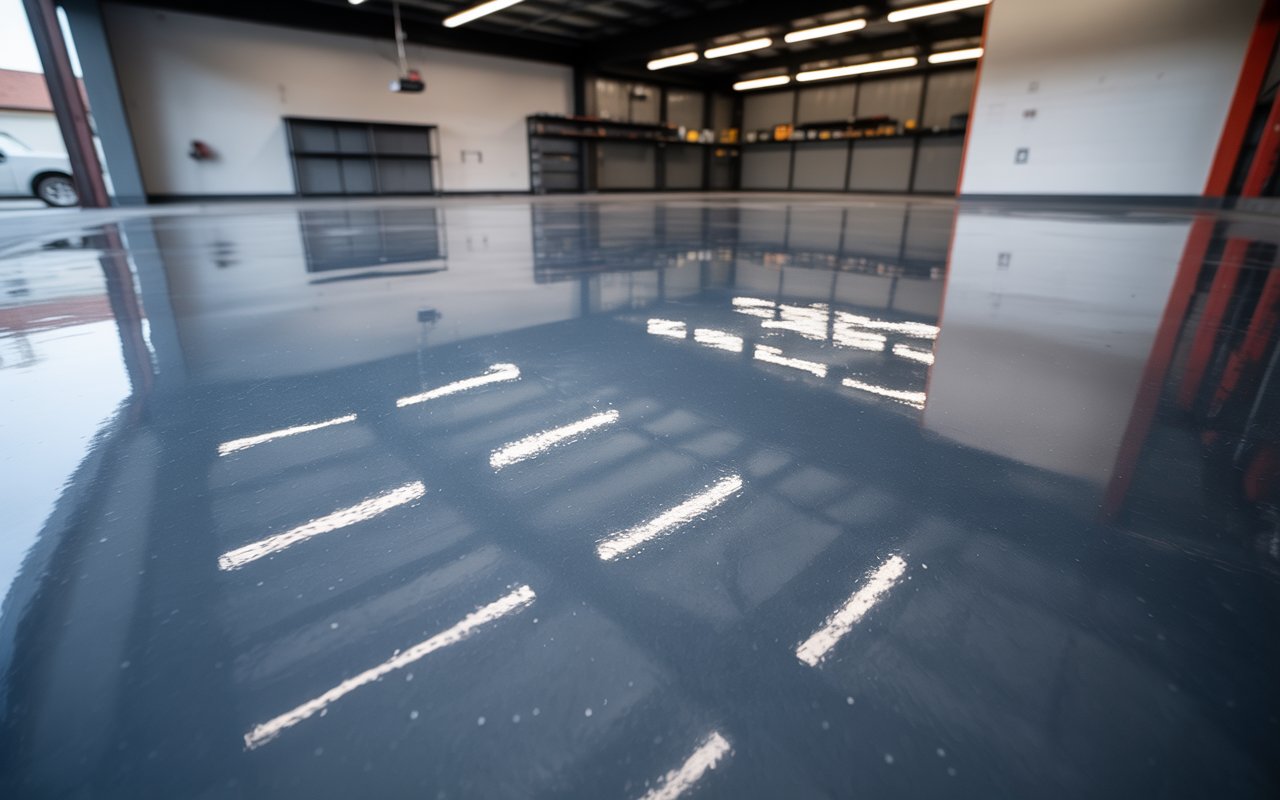
The cost of installing this flooring can vary depending on several factors.
Size of the area plays a big role. Larger spaces require more material and labor. The condition of the existing surface also matters—damaged floors need extra preparation work.
Design choices can also affect the price. Simple finishes are more affordable, while metallic or decorative styles cost more.
While it may seem expensive at first, many people see it as a long-term investment because it reduces repair and maintenance costs over time.
10. Common problems and mistakes to avoid
Like any flooring option, issues can happen if it’s not done correctly.
One common problem is bubbling, which happens when air gets trapped during installation. Another issue is peeling, usually caused by poor surface preparation.
Sometimes people rush the curing process, which weakens the final result. Using low-quality materials can also lead to early damage.
The key is proper installation and patience. Cutting corners often leads to disappointment later.
11. Is it the right choice for your space?
Before deciding, it helps to think about your needs.
If you want a floor that is strong, easy to clean, and visually modern, this option is worth considering. It works especially well in high-traffic areas or places where spills are common.
However, if you prefer a softer or traditional wooden look, you might want to explore other options for living spaces.
Ask yourself: Do I want something low-maintenance and long-lasting, or something purely decorative? Your answer will guide the decision.
Conclusion
Flooring is more than just something you walk on—it sets the tone for your entire space. A strong, polished surface can completely change how a room feels, making it cleaner, brighter, and more modern.
This type of flooring has become popular because it balances strength with style. It protects the surface underneath while also giving you plenty of design freedom. Whether in homes, offices, or industrial spaces, it offers a reliable and attractive solution.
If you’re looking for something durable yet visually appealing, this might just be the upgrade your space needs.
FAQs
1. Is this flooring suitable for homes?
Yes, it works well in homes, especially in kitchens, basements, and garages due to its durability and easy cleaning.
2. How long does it last?
With proper installation and care, it can last many years without major issues.
3. Can it be slippery?
Some finishes can be slippery when wet, but anti-slip textures can be added for safety.
4. Is it expensive compared to other flooring options?
It may cost more initially, but its long lifespan and low maintenance often make it cost-effective over time.
5. Can it be repaired if damaged?
Yes, small cracks or worn areas can usually be repaired without replacing the entire surface.