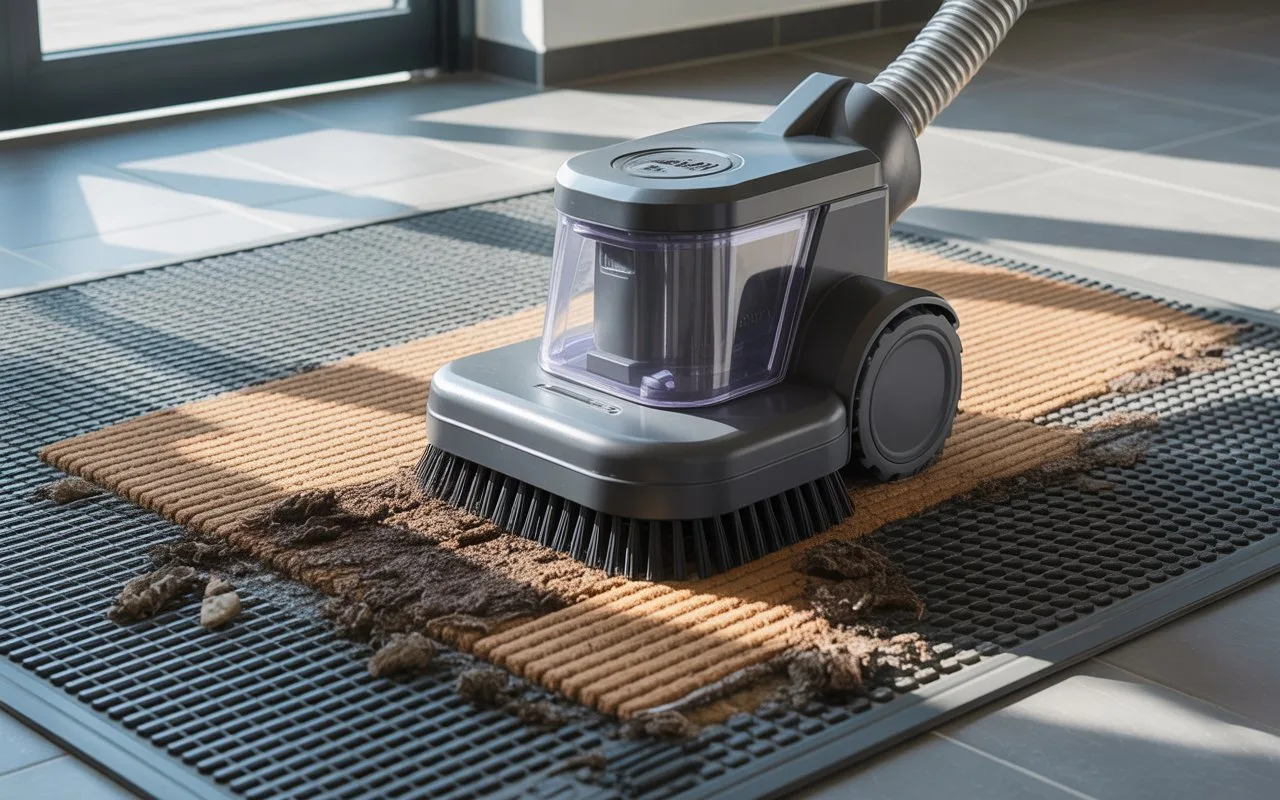
Floor mats work hard every day. Whether they sit inside your car, at your front door, in the kitchen, or in a commercial space, they collect dirt, dust, moisture, pet hair, and countless other particles. Over time, this buildup can make mats look worn, smell unpleasant, and even shorten their lifespan.
That’s where a good floor mat cleaner comes in. Proper cleaning not only improves appearance but also helps maintain hygiene, prevents odors, and protects the material from premature damage. Think of a floor mat as a home’s first line of defense against dirt. Just as a shield protects a warrior, a well-maintained mat protects your floors and interiors from daily wear and tear.
In this guide, you’ll learn everything you need to know about cleaning floor mats, choosing the right products, removing stains, and extending the life of your mats.
Understanding the Purpose of Floor Mat Cleaning
Many people vacuum their homes or wash their cars regularly but forget about the mats. Since these surfaces trap dirt before it reaches floors and carpets, they naturally become one of the dirtiest areas in any space.
Regular maintenance helps:
- Remove dirt and debris
- Prevent bacteria growth
- Eliminate unpleasant odors
- Preserve color and texture
- Extend product lifespan
- Improve indoor cleanliness
A clean mat not only looks better but also performs its intended function more effectively.
Types of Floor Mats and Their Cleaning Needs
Different materials require different cleaning approaches. Understanding the type of mat you own is the first step toward proper maintenance.
Rubber Mats
Rubber varieties are commonly found in vehicles, workshops, and entryways. They are durable, water-resistant, and relatively easy to clean.
Cleaning typically involves:
- Shaking off debris
- Washing with soap and water
- Scrubbing textured surfaces
- Air drying completely
Carpet Mats
These are often used in automobiles and indoor spaces. They can trap fine dust, food particles, and stains.
Cleaning methods may include:
- Vacuuming
- Spot treatment
- Shampooing
- Steam cleaning
Foam Mats
Popular in gyms, playrooms, and workout areas, foam surfaces require gentle cleaning to avoid damage.
Use:
- Mild cleaning solutions
- Soft cloths
- Light scrubbing
Coir and Natural Fiber Mats
Natural-fiber mats are excellent for trapping dirt but can absorb moisture easily.
Best practices include:
- Dry brushing
- Vacuuming
- Limited water exposure
Choosing the Right Floor Mat Cleaner
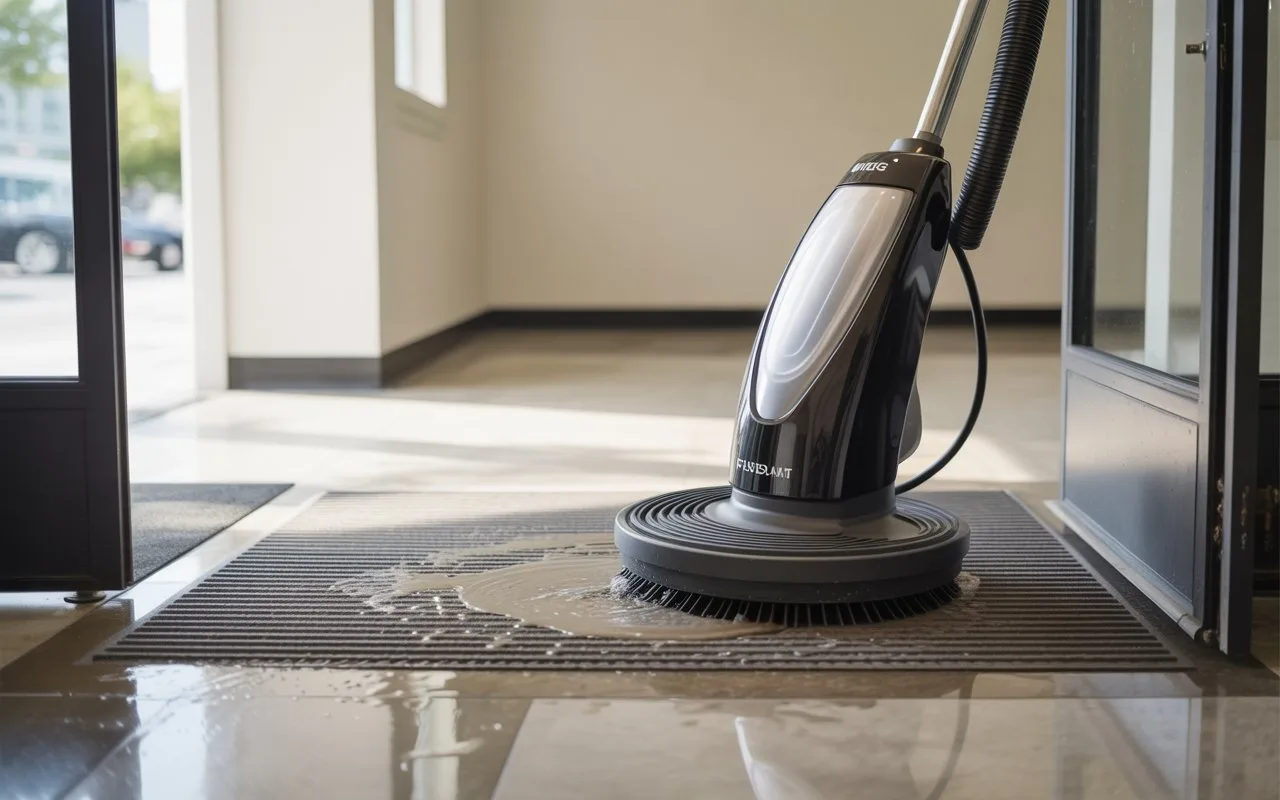
Not all cleaning products are created equal. The ideal solution depends on the material, stain type, and intended use.
Key Features to Look For
When selecting a cleaner, consider:
- Non-toxic ingredients
- Material compatibility
- Odor removal capability
- Stain-fighting power
- Fast drying properties
Avoid Harsh Chemicals
Strong chemicals may remove stains quickly but can damage fibers, fade colors, or weaken protective coatings.
Gentler formulas often provide excellent results while preserving the integrity of the mat.
Step-by-Step Cleaning Process
Cleaning mats properly doesn’t have to be difficult. Following a structured process can deliver professional-looking results.
Step 1: Remove Loose Debris
Start by shaking the mat outdoors.
This removes:
- Dust
- Sand
- Leaves
- Pet hair
- Small stones
For carpeted surfaces, vacuum thoroughly before applying any liquid products.
Step 2: Apply Cleaning Solution
Spray or spread the cleaner evenly across the surface.
Allow it to sit briefly to loosen dirt and stains.
Step 3: Scrub the Surface
Use an appropriate brush based on the material.
Soft brushes work best for delicate fibers, while stiffer brushes are effective on rubber surfaces.
Step 4: Rinse Thoroughly
Rinse away residue using clean water.
Any remaining cleaner can attract dirt and reduce cleaning effectiveness.
Step 5: Dry Completely
Never place a damp mat back into service.
Moisture can encourage:
- Mold
- Mildew
- Unpleasant odors
Air drying in a well-ventilated area is often the safest option.
Removing Common Stains
Some stains require special attention. Fortunately, most can be treated successfully with the right approach.
Mud Stains
Allow mud to dry first.
Once dry:
- Brush away loose particles.
- Vacuum remaining debris.
- Apply cleaner and scrub.
Food and Beverage Spills
Quick action is essential.
Blot the spill immediately and apply a suitable cleaning product to prevent permanent staining.
Oil and Grease
Greasy spots can be stubborn.
Use a degreasing solution designed for the mat’s material and work it into the affected area before rinsing.
Pet Accidents
Pet-related stains often leave odors behind.
Enzyme-based products can help break down odor-causing compounds while cleaning the visible stain.
Deep Cleaning Techniques
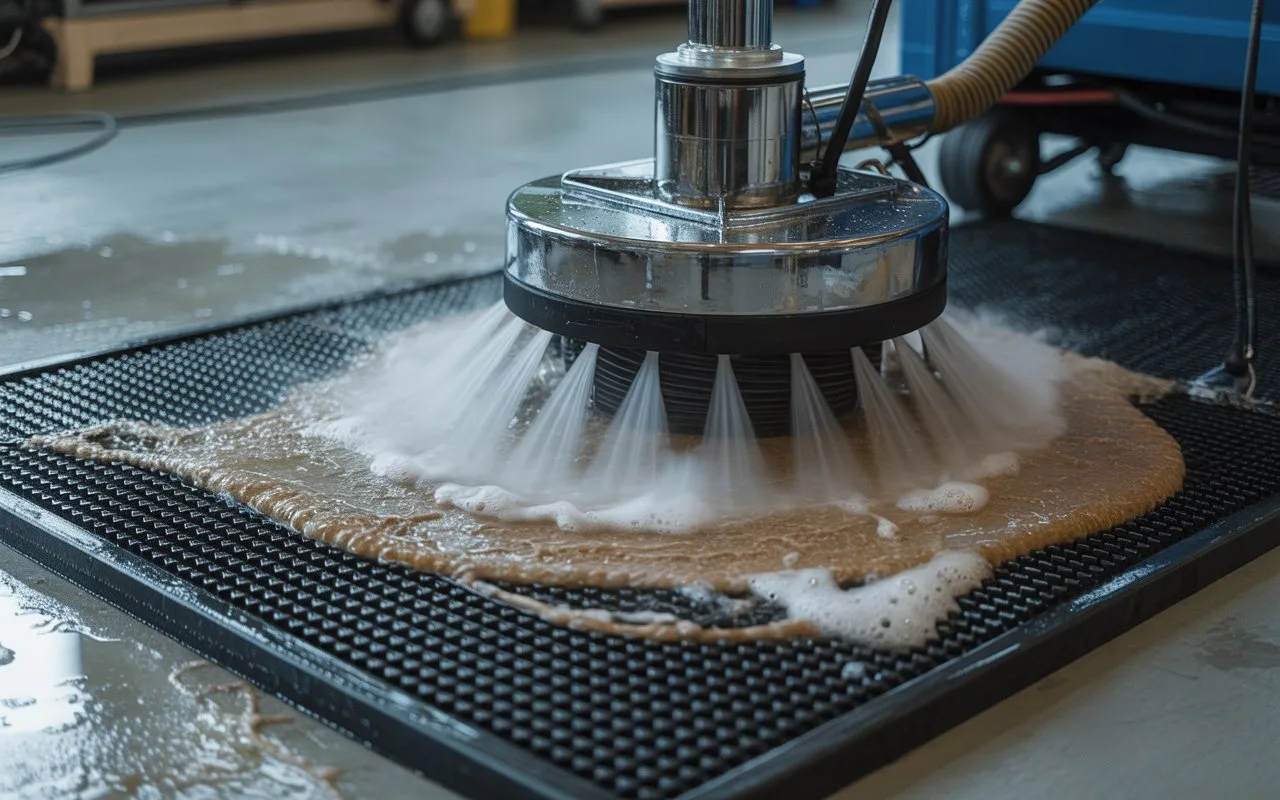
Routine maintenance helps, but occasional deep cleaning is equally important.
Steam Cleaning
Steam cleaning penetrates deeply into fibers and helps remove:
- Embedded dirt
- Bacteria
- Allergens
- Odors
This method works especially well for carpet-style mats.
Pressure Washing
Pressure washing is effective for durable outdoor and rubber surfaces.
However, excessive pressure may damage delicate materials, so use caution.
Professional Cleaning Services
For heavily soiled or specialty mats, professional services may be worthwhile.
Professionals often use advanced equipment capable of restoring appearance and freshness.
Natural Cleaning Alternatives
Many homeowners prefer environmentally friendly solutions.
Baking Soda
Baking soda helps neutralize odors and loosen dirt.
Simply sprinkle it over the surface, let it sit, and vacuum thoroughly.
White Vinegar
A diluted vinegar solution can help remove grime and reduce odors.
Always test on a small area first.
Lemon Juice
Lemon juice offers natural cleaning properties and a fresh scent.
When combined with water, it can be useful for light cleaning tasks.
How Often Should You Clean Floor Mats?
Cleaning frequency depends on usage and environment.
High-Traffic Areas
Mats in busy locations should be cleaned weekly or biweekly.
Vehicle Interiors
Car mats often benefit from monthly deep cleaning and regular vacuuming.
Homes with Pets
Pet owners may need more frequent maintenance due to fur, dirt, and occasional accidents.
Commercial Settings
Businesses typically require scheduled cleaning to maintain appearance and safety standards.
Preventing Odors and Bacteria
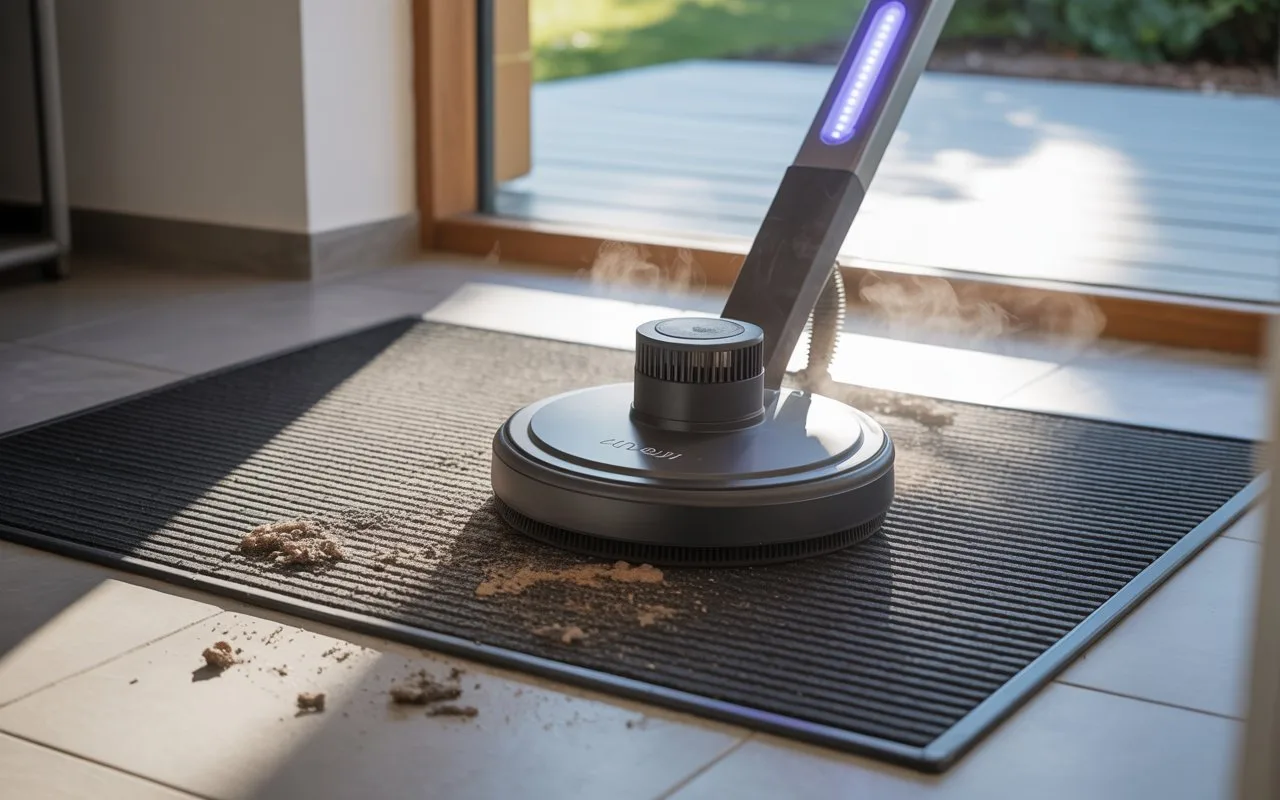
Bad smells often indicate trapped moisture and organic debris.
Keep Mats Dry
Moisture is one of the biggest contributors to odor development.
Always dry mats thoroughly after washing.
Regular Vacuuming
Routine vacuuming removes particles before they break down and create smells.
Use Odor Neutralizers
Specialized odor-removal products can help maintain freshness between deep cleanings.
Improve Ventilation
Good airflow reduces moisture buildup and supports faster drying.
Extending the Lifespan of Your Mats
Replacing mats frequently can become expensive. Proper care helps maximize their longevity.
Rotate Mats Regularly
Rotating placement distributes wear more evenly.
Address Stains Quickly
The longer a stain remains, the more difficult it becomes to remove.
Avoid Excessive Sun Exposure
Extended exposure to direct sunlight may cause fading or cracking in certain materials.
Use Appropriate Cleaning Tools
Aggressive brushes and harsh chemicals can cause unnecessary wear.
Gentle maintenance often produces the best long-term results.
Common Mistakes to Avoid
Even with good intentions, many people make cleaning errors that reduce effectiveness.
Using Too Much Cleaner
Excess product can leave residue behind.
Skipping Drying Time
Damp mats create ideal conditions for mold growth.
Ignoring Manufacturer Instructions
Always follow care recommendations when available.
Overlooking Regular Maintenance
Waiting until a mat becomes extremely dirty makes cleaning more difficult and time-consuming.
The Benefits of Maintaining Clean Floor Mats
Consistent care offers several advantages beyond appearance.
Benefits include:
- Better indoor hygiene
- Improved air quality
- Reduced allergens
- Longer product lifespan
- Enhanced safety
- Better overall presentation
Whether in a home, vehicle, office, or commercial property, clean mats contribute to a healthier and more inviting environment.
Conclusion
Floor mats may not always get the attention they deserve, but they play a vital role in keeping spaces clean and protected. Regular maintenance, proper cleaning techniques, and the right products can dramatically improve their appearance and longevity. From removing stubborn stains to preventing odors and bacteria, a thoughtful cleaning routine ensures that your mats continue performing at their best.
By understanding the material, choosing suitable cleaning solutions, and following proven maintenance practices, you can keep your mats looking fresh for years. A little effort today can save money, improve cleanliness, and help create a more comfortable environment tomorrow.
FAQs
1. What is the best way to clean heavily soiled floor mats?
The best approach is to remove loose debris, apply a suitable cleaning solution, scrub thoroughly, rinse with clean water, and allow complete drying before reuse.
2. Can I use household cleaners on all types of mats?
Not always. Different materials react differently to cleaning products, so it’s important to verify compatibility before use.
3. How often should vehicle floor mats be cleaned?
Light maintenance can be done weekly, while deeper cleaning is generally recommended once a month or whenever visible dirt accumulates.
4. Are natural cleaning methods effective?
Yes. Baking soda, vinegar, and lemon-based solutions can help remove odors and light stains while reducing reliance on harsh chemicals.
5. Why do floor mats develop unpleasant odors?
Odors usually result from trapped moisture, dirt, bacteria, food particles, or pet-related residue that remains in the material over time.