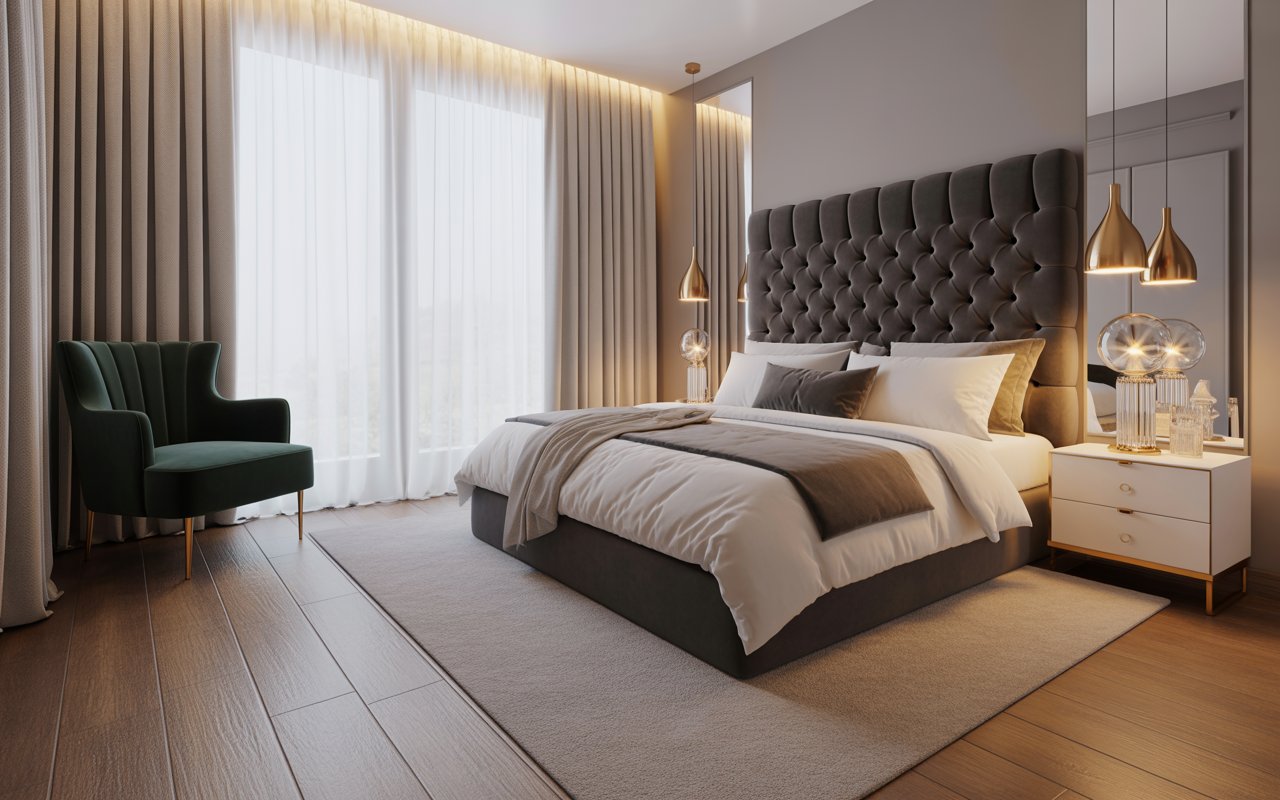
Your bedroom is more than just a place to sleep. It’s where your day begins… and where it finally slows down. Think of it like your personal retreat—a quiet corner of the world that reflects who you are. So, how do you design a master bedroom that feels both stylish and deeply comfortable?
Let’s walk through it together. No complicated rules. Just real ideas you can actually use.
Why Master Bedroom Design Matters
A well-designed space isn’t only about looks. It affects how you feel. Ever walked into a room and instantly felt relaxed? That’s not an accident.
Your surroundings influence your mood, your sleep quality, even your energy. A cluttered, poorly lit room can feel draining. But a thoughtfully designed one? It feels like a deep breath after a long day.
So yes—design matters. A lot.
Understanding Your Personal Style
Before picking furniture or colors, ask yourself one simple question:
What feels like “home” to you?
Do you like clean, simple spaces? Or do you enjoy layers, textures, and warmth? There’s no right answer.
Some popular styles include:
- Modern – sleek lines, minimal clutter
- Traditional – rich colors, classic furniture
- Bohemian – relaxed, artistic, full of personality
- Scandinavian – light tones, natural materials
You don’t have to stick to just one. Mix and match. Your room should feel like you, not a catalog page.
Choosing the Right Color Palette

Color sets the mood instantly. It’s like background music for your space.
Soft tones—like beige, cream, light grey, or pastel shades—create a calm environment. Darker colors—like navy, charcoal, or deep green—add depth and coziness.
Pro tip:
If you’re unsure, start neutral. You can always add bold accents later through cushions, rugs, or artwork.
Ask yourself:
Do I want my room to feel airy… or cozy and cocoon-like?
Furniture That Balances Style and Function
Let’s be honest—furniture can make or break your bedroom.
The bed is the star. Everything else supports it.
Key pieces to consider:
- A comfortable, well-sized bed
- Nightstands on both sides (for balance)
- A wardrobe or closet system
- A dresser or storage unit
Don’t overcrowd the space. A bedroom should breathe. If it feels tight, remove something.
Think of furniture like a good conversation—balanced, not overwhelming.
The Power of Lighting
Lighting isn’t just practical. It’s emotional.
You need layers:
1. Ambient Lighting
This is your main light—usually ceiling fixtures.
2. Task Lighting
Reading lamps or bedside lights. Essential for comfort.
3. Accent Lighting
Soft lights, maybe behind the headboard or under furniture. Adds mood.
Warm light works best for bedrooms. It feels softer, more inviting. Cool white light? Save that for offices.
Smart Storage Solutions

Clutter is the enemy of calm.
But here’s the thing—storage doesn’t have to be boring.
Creative ideas:
- Under-bed drawers
- Built-in wardrobes
- Floating shelves
- Storage benches
The goal is simple: everything has a place.
When your space is organized, your mind feels clearer too.
Choosing the Perfect Bed and Bedding
Let’s talk comfort.
A good bed isn’t a luxury—it’s a necessity.
Things to focus on:
- Mattress quality
- Bed frame style
- Soft, breathable bedding
Layer your bed like you would dress for comfort—base layer (sheets), mid layer (blanket), top layer (duvet or comforter).
Add pillows. Maybe too many. No one complains about that.
Adding Texture and Layers
Flat spaces feel lifeless. Texture brings warmth.
Think about:
- Rugs under the bed
- Soft throws
- Cushions in different fabrics
- Curtains that flow
Mix materials—wood, fabric, metal. It creates depth.
It’s like cooking. A single ingredient is fine. But layers? That’s where magic happens.
Incorporating Personal Touches

This is where your room becomes yours.
Add things that tell your story:
- Photos
- Artwork
- Travel souvenirs
- Books
Don’t overdo it. A few meaningful pieces are better than too many random ones.
Ask yourself:
Does this item make me feel something?
If yes, it belongs.
Creating a Relaxing Atmosphere
A bedroom should help you unwind. Not stimulate your brain like a busy street.
Simple ways to relax the space:
- Use soft fabrics
- Keep colors soothing
- Add plants for freshness
- Use light fragrances
Even small changes—like switching harsh lighting to warm lamps—can make a huge difference.
Technology in the Bedroom: Yes or No?
This one’s tricky.
Phones, TVs, laptops—they’re everywhere. But do they belong in your bedroom?
Some people love watching TV in bed. Others prefer a screen-free zone.
A balanced approach:
- Keep devices minimal
- Avoid bright screens before sleep
- Hide wires to reduce visual clutter
Your bedroom should help you disconnect, not stay plugged in 24/7.
Designing for Small vs Large Spaces
Not all bedrooms are created equal. And that’s okay.
For small rooms:
- Use light colors
- Choose multi-functional furniture
- Keep décor minimal
For large rooms:
- Create zones (sleeping, sitting, dressing)
- Use larger furniture pieces
- Add rugs to define areas
No matter the size, the goal stays the same—comfort and balance.
Budget-Friendly Design Ideas
You don’t need a huge budget to create a beautiful bedroom.
Try this:
- Rearrange existing furniture
- Change bedding for a fresh look
- Add affordable décor like cushions or wall art
- DIY small elements
Sometimes, small changes bring the biggest impact.
It’s not about how much you spend—it’s about how thoughtfully you design.
Conclusion
Designing a master bedroom isn’t about following strict rules. It’s about creating a space that feels right to you.
Think of it like building a personal sanctuary—one where you can rest, recharge, and just be yourself. From choosing colors to adding those little personal touches, every decision shapes how the room feels.
Take your time. Experiment. Trust your instincts.
At the end of the day, the best design is the one that makes you smile when you walk in… and helps you sleep peacefully when the lights go out.
FAQs
1. What is the best color for a master bedroom?
Soft, neutral shades like beige, light grey, and pastel tones work well because they create a calm and relaxing environment.
2. How can I make my bedroom look luxurious on a budget?
Focus on small upgrades like quality bedding, layered lighting, and minimal clutter. Even adding cushions or a stylish rug can elevate the look.
3. Should a master bedroom have a TV?
It depends on personal preference. If you enjoy it, keep it—but try to minimize screen time before sleep for better rest.
4. How do I design a small master bedroom?
Use light colors, space-saving furniture, and keep décor minimal. Mirrors can also help make the room feel bigger.
5. What are essential items in a master bedroom?
A comfortable bed, proper lighting, storage solutions, and a few personal décor items are the key essentials.