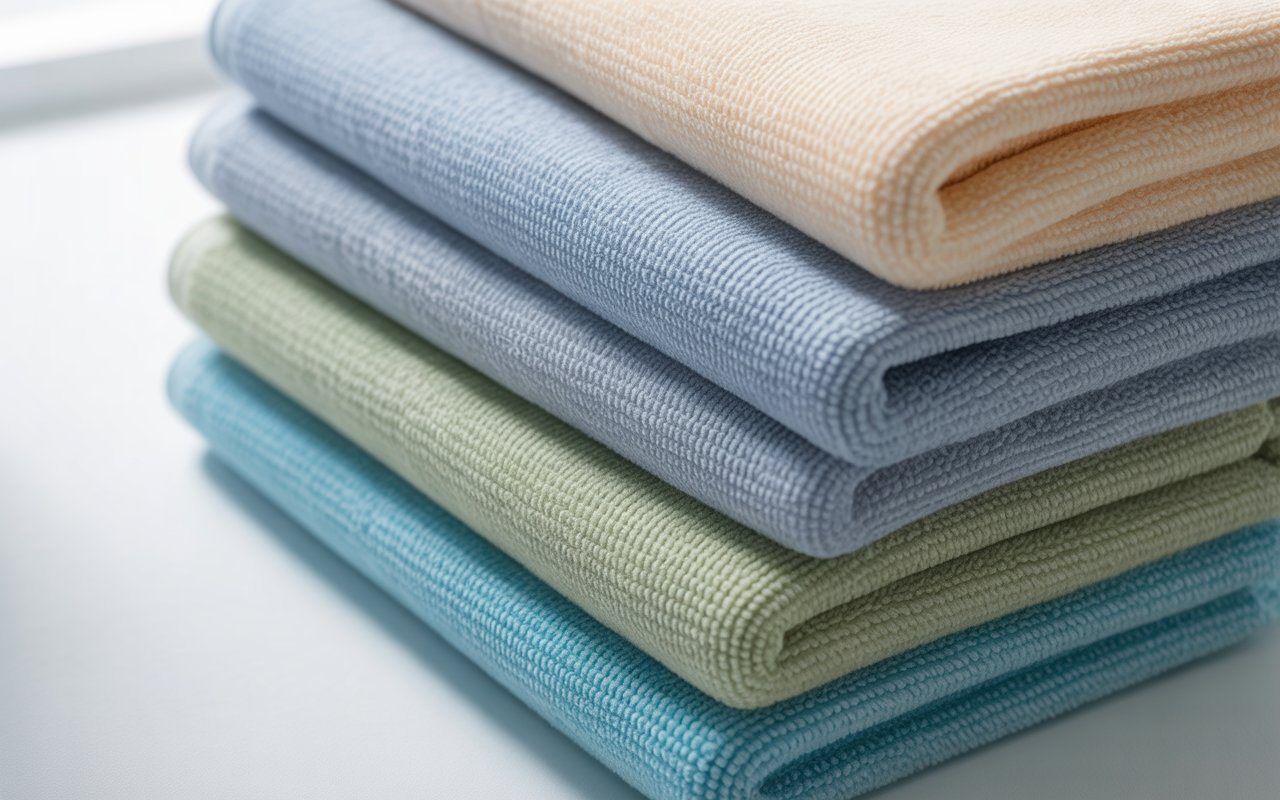
Microfiber towels have become a household essential for people who value cleanliness, convenience, and efficiency. Whether you’re drying your car, cleaning windows, wiping kitchen counters, or drying your hair, these versatile cloths can make everyday tasks easier and more effective.
Unlike traditional cotton fabrics, these advanced cleaning textiles are designed with extremely fine synthetic fibers that can capture dust, dirt, moisture, and even bacteria more efficiently. Their popularity has grown rapidly because they offer superior performance while reducing the need for harsh cleaning chemicals.
In this guide, you’ll learn everything you need to know about microfiber towels, including their advantages, common uses, maintenance tips, and how to choose the right option for your needs.
What Are Microfiber Towels?
Microfiber towels are cleaning and drying cloths made from ultra-fine synthetic strands, usually a blend of polyester and polyamide (nylon). These fibers are much thinner than a human hair, allowing them to reach tiny crevices and surfaces that ordinary fabrics often miss.
Think of these fibers as millions of tiny hooks working together. They grab dust particles, absorb liquid, and lift grime from surfaces with remarkable efficiency.
Because of their unique structure, they can hold several times their weight in water while remaining lightweight and easy to handle.
Why Are They So Popular?
The growing popularity of microfiber products isn’t just a trend. They provide several practical advantages that make them useful for homes, vehicles, offices, and commercial environments.
Exceptional Absorbency
One of the biggest reasons people choose these cloths is their ability to absorb moisture quickly. They can soak up water far more effectively than standard cotton towels.
Excellent Cleaning Performance
The tiny fibers trap dirt and debris rather than simply pushing them around. This helps achieve a cleaner surface with less effort.
Reusable and Durable
When properly maintained, they can withstand hundreds of wash cycles, making them a cost-effective choice.
Environmentally Friendly
Because they require fewer disposable wipes and less cleaning solution, they help reduce household waste.
How Microfiber Technology Works
Understanding the science behind these cleaning cloths helps explain their effectiveness.
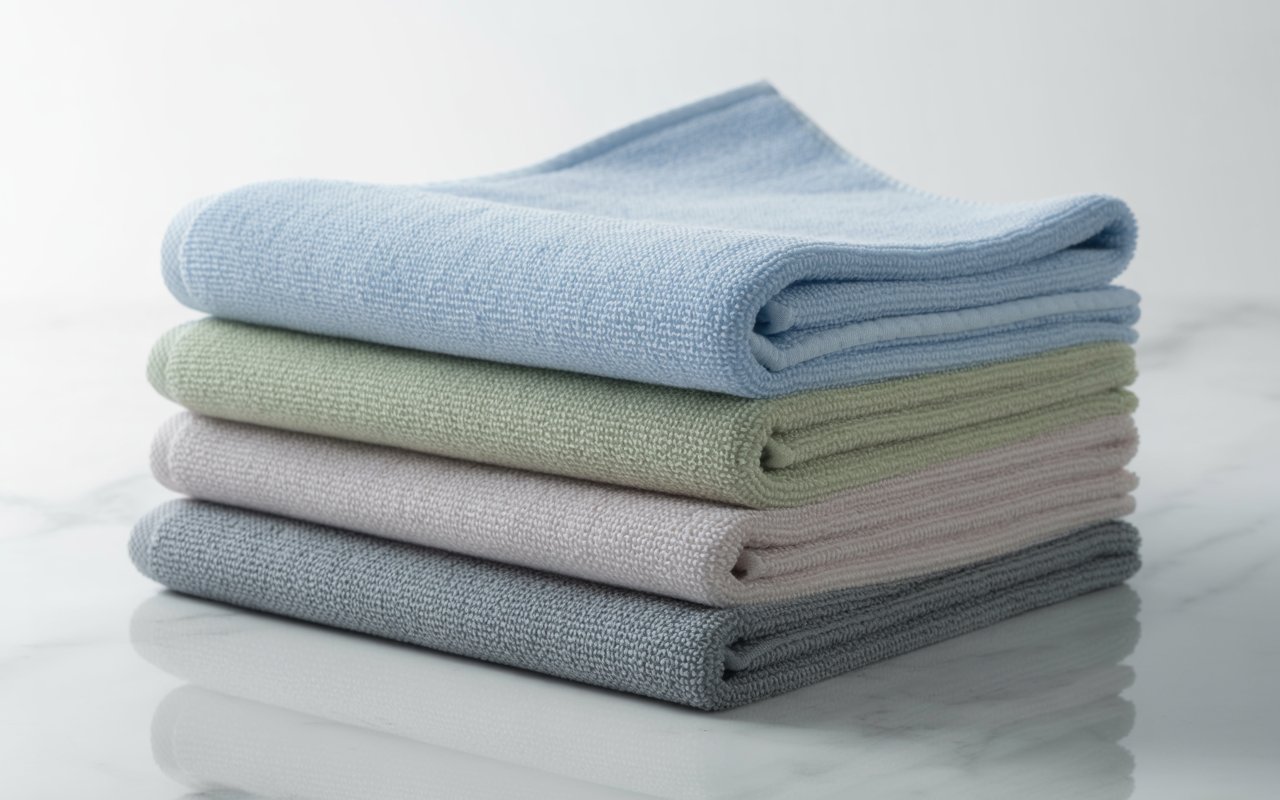
During manufacturing, synthetic fibers are split into extremely fine strands. These microscopic fibers create a larger surface area, which improves both absorption and cleaning ability.
The structure creates tiny spaces between fibers. These spaces act like miniature reservoirs that hold water, dust, grease, and debris.
As a result, a microfiber towel can often clean surfaces effectively using only water. This makes it ideal for people who want to reduce chemical usage in their homes.
Common Types of Microfiber Towels
Not all microfiber products are the same. Different styles are designed for specific tasks.
General-Purpose Cleaning Cloths
These are suitable for everyday household cleaning tasks such as wiping counters, tables, appliances, and furniture.
Glass and Window Towels
Designed with a smoother weave, these cloths help prevent streaks on mirrors, windows, and glass surfaces.
Automotive Detailing Towels
Car enthusiasts often use specialized microfiber cloths for washing, polishing, waxing, and drying vehicles.
Kitchen Towels
These options are designed to handle spills, grease, and food preparation areas.
Hair Towels
Lightweight and highly absorbent versions are often used to dry hair quickly while reducing frizz.
Sports and Travel Towels
Compact and fast-drying varieties are popular among travelers, athletes, and outdoor enthusiasts.
Benefits for Household Cleaning
Cleaning becomes easier when using the right tools, and microfiber towels offer numerous household advantages.
Dust Removal
The fibers attract and trap dust rather than scattering it into the air. This can help maintain cleaner indoor environments.
Reduced Chemical Use
Many surfaces can be cleaned effectively with water alone. This saves money and minimizes exposure to cleaning products.
Safe for Delicate Surfaces
Television screens, computer monitors, stainless steel appliances, and polished furniture can often be cleaned safely without scratching.
Time-Saving
Because these cloths clean and absorb simultaneously, chores often require fewer passes over a surface.
Why Car Owners Love Microfiber Towels
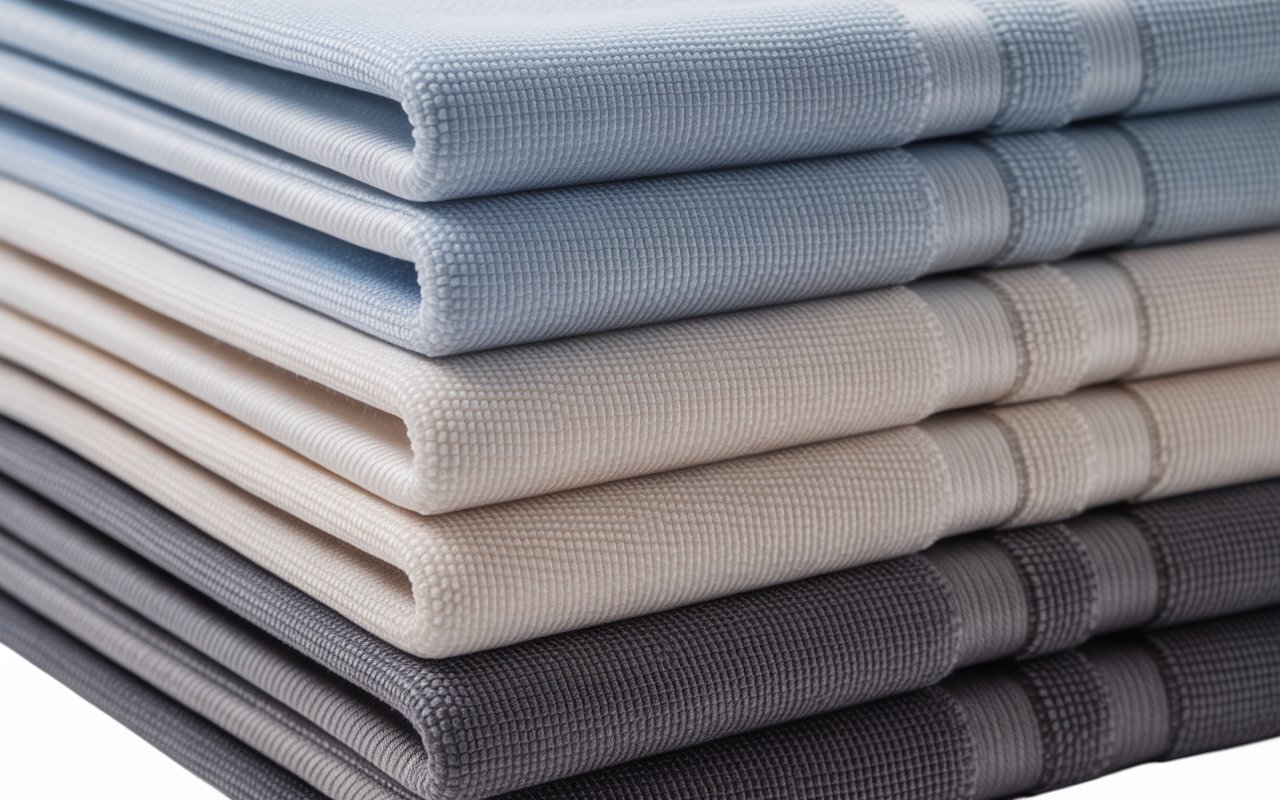
Automotive detailing is one area where microfiber products truly shine.
Scratch Prevention
Traditional towels can sometimes drag particles across paint surfaces, potentially causing scratches. High-quality microfiber is designed to lift and trap debris away from the paint.
Superior Drying
Large drying towels can absorb substantial amounts of water, helping achieve a spot-free finish.
Perfect for Wax and Polish
The soft fibers are ideal for applying and buffing waxes, sealants, and detailing sprays.
Interior Cleaning
Dashboards, screens, leather seats, and plastic trim can all benefit from gentle cleaning with microfiber cloths.
Using Microfiber Towels in the Kitchen
The kitchen is one of the busiest areas in any home, and microfiber towels can help keep it clean and hygienic.
Countertop Cleaning
They effectively remove crumbs, spills, and residue from countertops.
Dish Drying
Their absorbent nature makes them excellent for drying dishes and cookware.
Appliance Maintenance
Stainless steel refrigerators, ovens, and microwaves can be cleaned with minimal streaking.
Grease Removal
The fibers can capture oily residue more effectively than many conventional cloths.
Microfiber Towels for Personal Care
Beyond cleaning, these towels are increasingly used in beauty and personal care routines.
Hair Drying
Microfiber hair wraps absorb moisture quickly while reducing friction. This may help minimize breakage and frizz.
Skin Care
Soft textures make them suitable for gently drying the face after cleansing.
Gym and Fitness Use
Their lightweight design makes them convenient for workouts, yoga sessions, and travel.
Beach and Pool Activities
Fast-drying characteristics make them practical for outdoor recreation.
How to Choose the Right Microfiber Towel
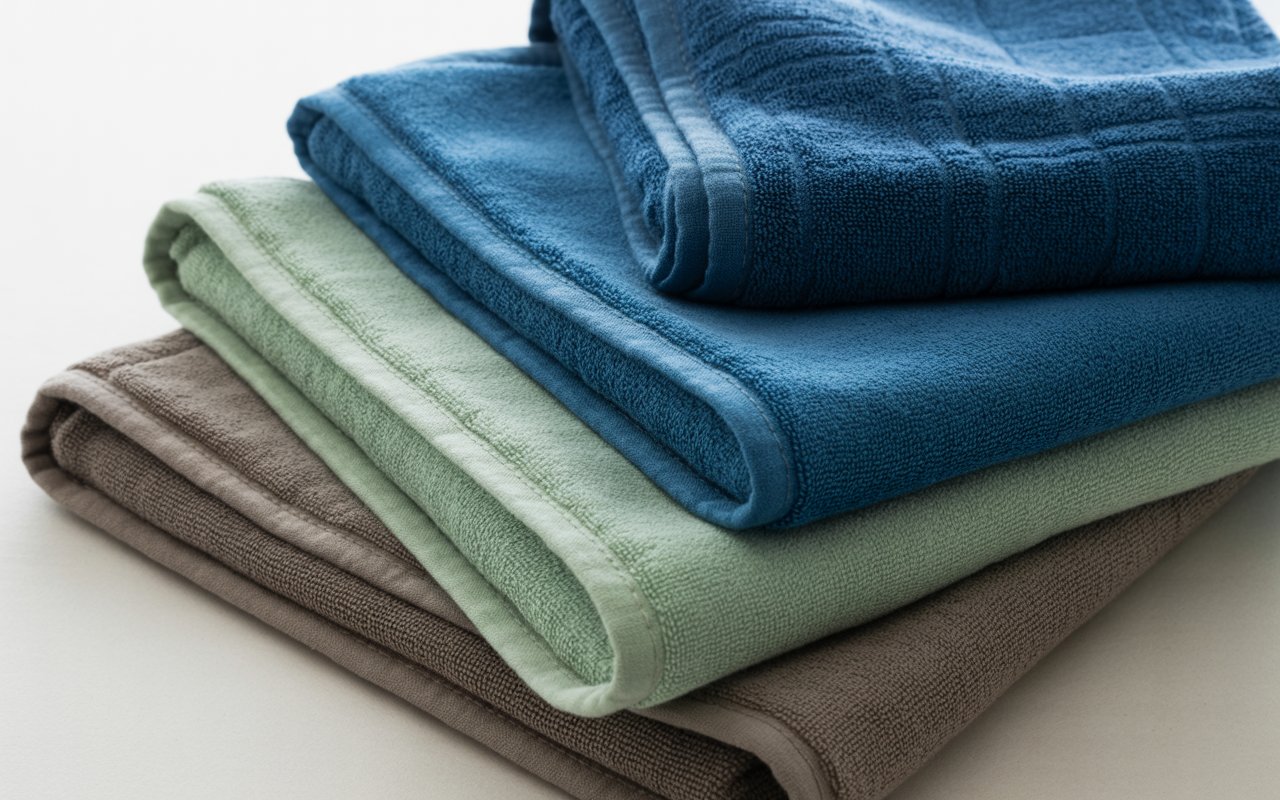
With countless options available, selecting the right towel can seem overwhelming. Consider the following factors.
Fiber Density
Higher GSM (grams per square meter) typically indicates a thicker and softer towel.
Purpose
Different tasks require different textures. Choose a product designed specifically for your intended use.
Size
Large towels work well for drying vehicles, while smaller cloths are ideal for household cleaning.
Edge Design
Quality towels often feature soft edging or edgeless construction to minimize the risk of scratching surfaces.
Blend Ratio
The polyester-to-polyamide ratio affects softness, durability, and absorbency.
Proper Care and Maintenance
Proper care significantly extends the lifespan of microfiber towels.
Wash Separately
Avoid washing them with cotton products. Cotton lint can become trapped in the fibers.
Use Mild Detergent
Harsh detergents can reduce performance over time.
Avoid Fabric Softener
Fabric softeners leave residue that clogs the microscopic fibers and decreases absorbency.
Use Low Heat
Excessive heat can damage synthetic fibers. Air drying or low-temperature drying is recommended.
Store Properly
Keep clean towels in a dust-free area to maintain their effectiveness.
Common Mistakes People Make
Even though microfiber towels are easy to use, certain mistakes can reduce their effectiveness.
Using Bleach
Bleach may damage the fibers and shorten the product’s lifespan.
Mixing With Lint-Producing Fabrics
Washing with cotton garments can contaminate the fibers.
Using High Dryer Temperatures
Heat can melt or deform delicate fibers.
Ignoring Task Separation
Using the same towel for bathrooms, kitchens, and vehicles can spread contaminants.
Creating separate color-coded groups for different tasks is often a smart approach.
Are Microfiber Towels Worth the Investment?
For most people, the answer is yes.
Although they may cost more upfront than basic cotton cloths, their durability and performance often make them more economical over time. They clean efficiently, absorb moisture effectively, and reduce reliance on disposable products.
Whether you’re maintaining a spotless home, detailing a vehicle, caring for your hair, or simply looking for a better cleaning solution, microfiber towels provide versatility and value that few alternatives can match.
Their ability to combine cleaning power, absorbency, durability, and convenience makes them one of the most practical household tools available today.
Conclusion
Microfiber towels have transformed the way people clean, dry, and maintain their surroundings. Their ultra-fine fibers provide impressive absorbency and cleaning performance while remaining gentle on delicate surfaces. From kitchens and bathrooms to automobiles and personal care routines, these versatile cloths offer countless benefits.
Choosing the right towel and caring for it properly can maximize its lifespan and effectiveness. With their reusable nature, reduced need for chemicals, and exceptional versatility, microfiber towels are a smart addition to almost any home. Investing in quality options can save time, improve cleaning results, and provide long-term value for years to come.
Frequently Asked Questions
1. What makes microfiber towels different from regular towels?
Microfiber towels contain ultra-fine synthetic fibers that absorb more moisture and trap dirt more effectively than traditional cotton towels.
2. Can microfiber towels be washed in a washing machine?
Yes. They can be machine washed using mild detergent. Avoid fabric softeners and high heat settings for best results.
3. How long do microfiber towels last?
With proper care, high-quality microfiber towels can last through hundreds of wash cycles while maintaining their effectiveness.
4. Are microfiber towels safe for car paint?
Yes. Premium microfiber towels are commonly used in automotive detailing because they help reduce the risk of scratches when used correctly.
5. Can microfiber towels clean without chemicals?
In many situations, yes. The microscopic fibers can effectively remove dust, dirt, and grime using only water, making them an eco-friendly cleaning option.