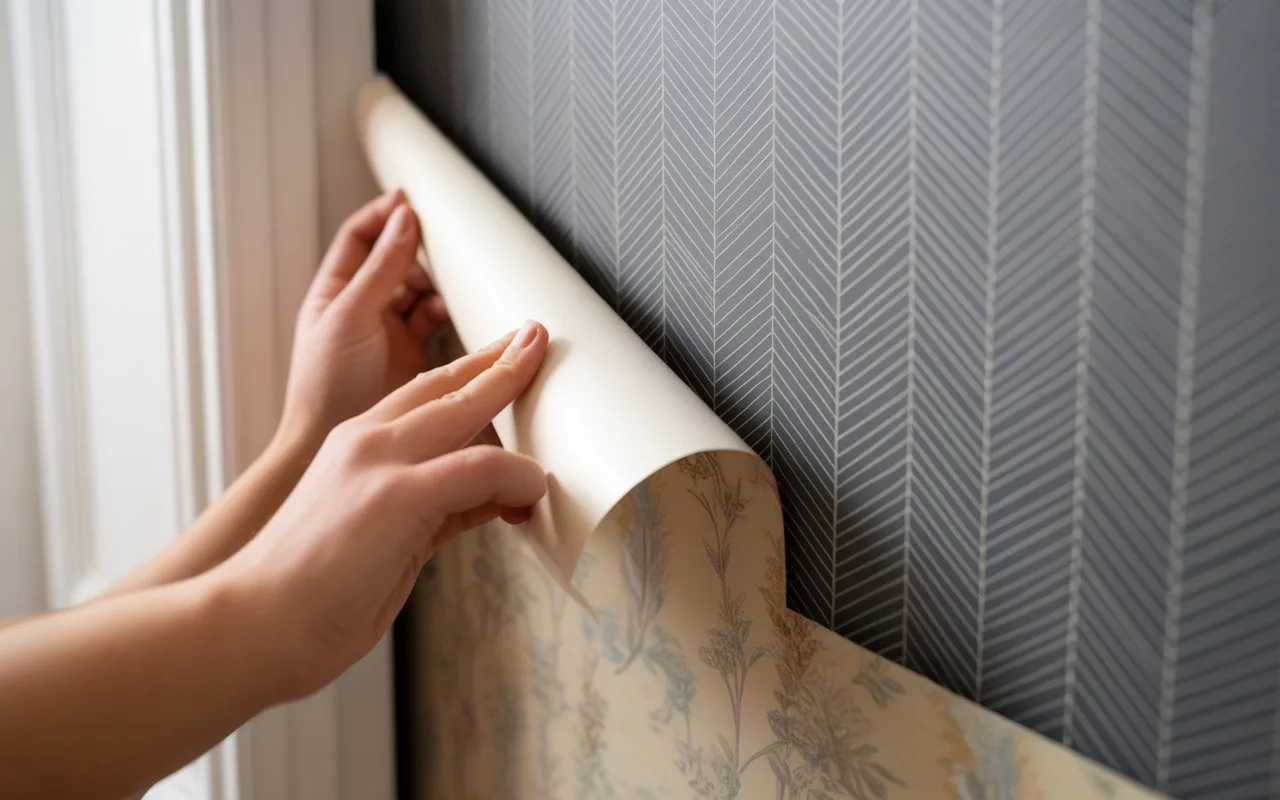
Have you ever looked at your walls and thought, “I wish I could change this without tearing everything apart?” You’re not alone. Many people want a quick, stylish transformation without the mess, cost, and time of traditional renovations. That’s where peel and stick wallpaper comes in—but what if your walls already have wallpaper?
Can you really apply peel and stick wallpaper on top of existing wallpaper? The short answer is yes—but only if you do it right.
In this guide, we’ll walk through everything you need to know, step by step, in plain and simple language. Whether you’re a beginner or someone looking to refresh your space, this article will help you get the best results.
What Is Peel and Stick Wallpaper?
Peel and stick wallpaper is a self-adhesive wall covering that doesn’t require glue, water, or professional installation. Think of it like a giant sticker for your wall—just peel off the backing and stick it in place.
Why people love it:
- Easy to install and remove
- No permanent commitment
- Budget-friendly
- Available in endless designs
It’s like giving your room a new outfit without changing the whole wardrobe.
Can You Put Peel and Stick Wallpaper Over Existing Wallpaper?
Yes, you can—but not always.
Applying peel and stick wallpaper over existing wallpaper depends on the condition and texture of the current surface.
It works best when:
- The old wallpaper is smooth and flat
- It is firmly attached to the wall
- There are no bubbles, tears, or peeling edges
It may not work well if:
- The surface is heavily textured
- The wallpaper is loose or damaged
- There are deep patterns that show through
So before you start, take a close look at your walls. A little inspection can save a lot of frustration later.
Why Choose This Method Instead of Removing Old Wallpaper?
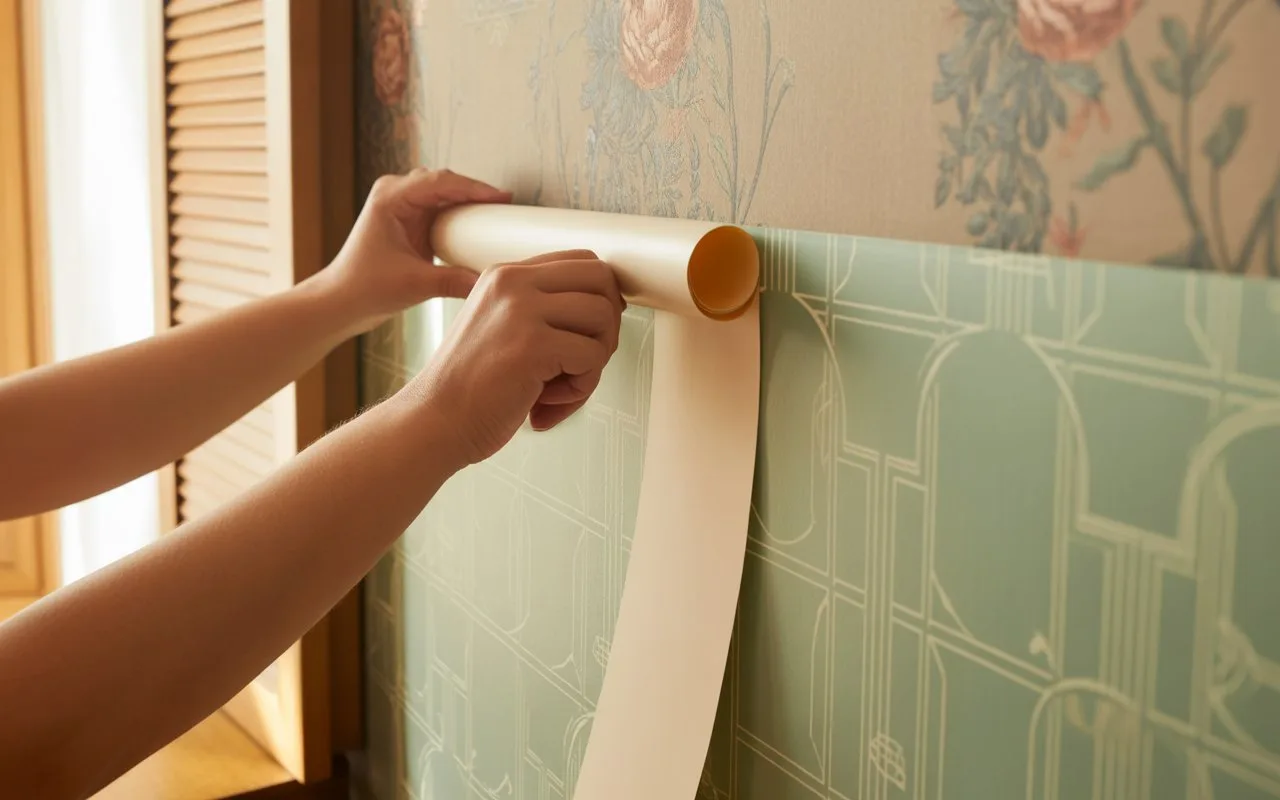
Removing wallpaper can be time-consuming and messy. Sometimes it feels like trying to peel off a stubborn label from a glass jar—it just doesn’t come off easily.
Here’s why many people prefer to apply over existing wallpaper:
- Saves time and effort
- Avoids wall damage
- Reduces cleanup
- Perfect for renters or temporary updates
If your current wallpaper is in good shape, covering it can be a smart shortcut.
How to Check If Your Existing Wallpaper Is Suitable
Before you jump in, you need to test your surface.
Simple checklist:
- Run your hand over the wall—does it feel smooth?
- Look closely—are there bubbles or peeling edges?
- Press lightly—does it feel secure?
If the answer is yes to smooth and secure, you’re good to go.
Quick tip: Try sticking a small sample piece first. If it sticks well and looks clean, you’re on the right track.
Preparing the Wall for Best Results
Preparation is the secret to a professional-looking finish.
Steps to prepare your wall:
- Clean the surface
Use a damp cloth to remove dust, grease, or dirt. - Fix imperfections
Smooth out bubbles or reattach loose edges. - Dry completely
Moisture can ruin adhesion. - Light sanding (optional)
If the surface is slightly textured, a gentle sanding can help.
Think of this step like prepping a canvas before painting—the smoother it is, the better your result.
Tools You’ll Need for Installation
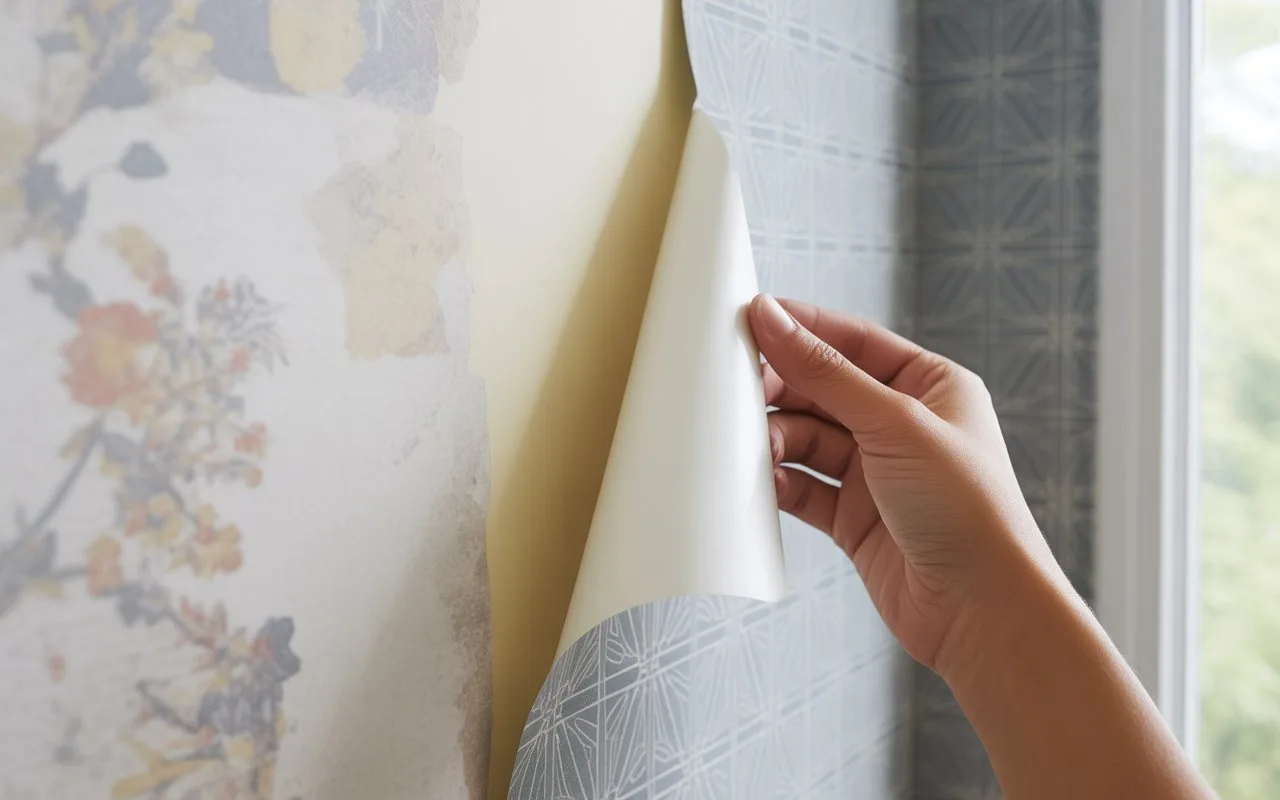
You don’t need fancy equipment. Just a few basic tools will do:
- Measuring tape
- Utility knife or scissors
- Squeegee or plastic smoother
- Level or ruler
- Pencil
Having everything ready before you start makes the process much easier.
Step-by-Step Installation Process
Now comes the fun part—transforming your wall.
Step 1: Measure and cut
Measure your wall and cut the wallpaper into manageable strips.
Step 2: Peel a small section
Start at the top and peel a few inches of backing.
Step 3: Align carefully
Position the strip and make sure it’s straight.
Step 4: Smooth as you go
Use a squeegee to remove air bubbles while sticking it down.
Step 5: Trim excess
Cut off extra material at the edges.
Take your time—rushing can lead to misalignment or wrinkles.
Common Mistakes to Avoid
Even though it’s simple, a few mistakes can affect the final look.
Avoid these:
- Applying on dirty or damp walls
- Ignoring uneven surfaces
- Stretching the wallpaper while applying
- Not aligning patterns properly
Remember, patience pays off. Think of it like assembling a puzzle—each piece needs to fit just right.
How Long Does It Last?
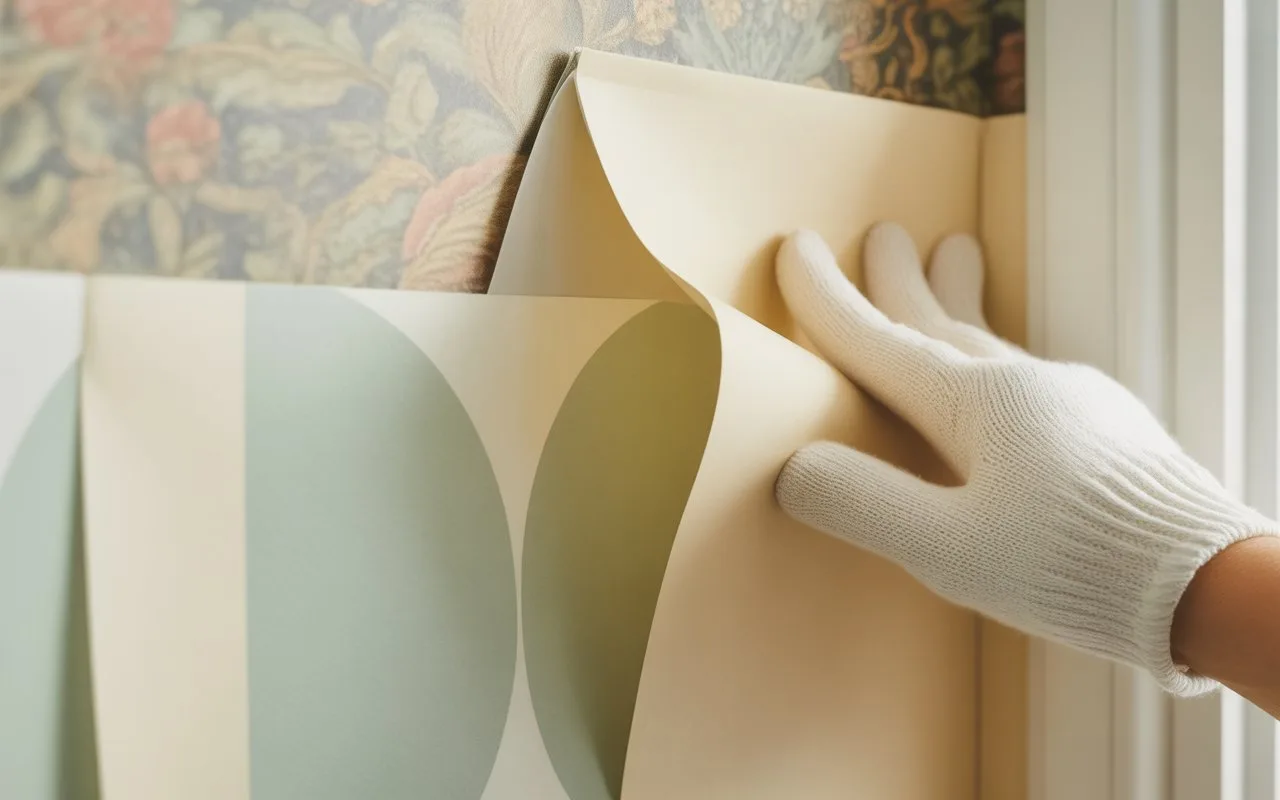
Peel and stick wallpaper can last several years if installed properly.
Factors that affect durability:
- Surface quality
- Room humidity
- Installation technique
In dry areas like bedrooms or living rooms, it can stay intact for a long time. In humid areas like bathrooms, it may not last as long.
Is It Easy to Remove Later?
Yes, that’s one of its biggest advantages.
When you’re ready for a change:
- Simply peel it off slowly
- It usually leaves little to no residue
- It won’t damage the wall underneath (if applied correctly)
It’s perfect for people who like to switch styles often.
Design Tips for a Stunning Look
Want your walls to look professionally done? Try these ideas:
Choose light colors for small spaces
They make rooms feel bigger and brighter.
Use bold patterns as an accent wall
Too much can feel overwhelming.
Match with your furniture
Create a balanced and cohesive look.
Test samples first
Colors can look different under lighting.
Think of your wall as the background of a photo—it should enhance everything else in the room.
When You Should NOT Apply Over Wallpaper
Sometimes, it’s better to remove the old wallpaper first.
Avoid this method if:
- The wallpaper is heavily textured
- There’s moisture damage
- The wall has multiple wallpaper layers
- The surface is uneven
In these cases, removing the old layer will give better results.
Cost and Budget Considerations
Peel and stick wallpaper is generally affordable compared to traditional wallpaper.
Cost depends on:
- Brand and quality
- Design complexity
- Wall size
You also save money on labor since you can do it yourself.
It’s a budget-friendly way to refresh your space without a full renovation.
Final Thoughts
Applying peel and stick wallpaper over existing wallpaper is like giving your walls a fresh coat of personality without tearing everything down. It’s quick, simple, and perfect for modern living.
As long as your surface is smooth, clean, and secure, you can achieve a beautiful, professional-looking finish right at home. Just take your time, follow the steps, and enjoy the process.
Your walls are more than just boundaries—they’re a canvas waiting to tell your story.
FAQs
1. Can peel and stick wallpaper stick to textured wallpaper?
It can, but the results may not be smooth. Deep textures often show through and reduce adhesion.
2. Will it damage the old wallpaper underneath?
Usually no. If removed carefully, it should not cause damage, especially if the base wallpaper is in good condition.
3. Do I need primer before applying it?
Not always, but using a primer can improve adhesion, especially on older surfaces.
4. Can I use it in bathrooms or kitchens?
Yes, but choose moisture-resistant options and ensure proper ventilation to extend durability.
5. What if I make a mistake during installation?
No problem. You can gently peel it back and reposition it, as long as you do it carefully.