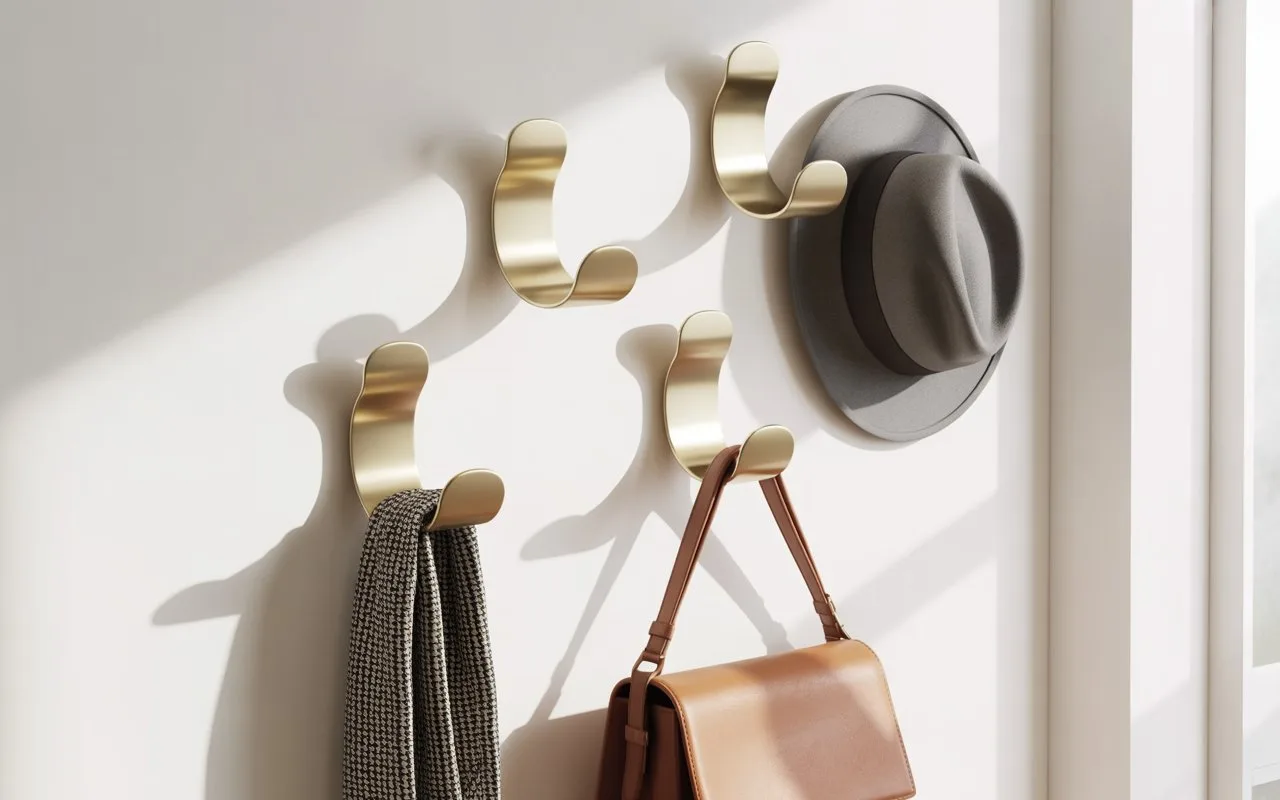
Introduction
Have you ever walked into a room and wondered where to put your keys, jacket, or bag—only to end up placing them on a chair or bed? We’ve all been there. Small storage problems often create daily frustration without us even noticing.
That’s where simple home accessories step in to quietly save the day. Among them, one of the most underrated yet incredibly useful items is the humble wall hook. It may look tiny and unimportant at first glance, but once you start using it, you realize how much order it brings into your space.
Think of it like a silent assistant in your home—always ready, never complaining, and constantly helping you stay organized. In this article, we’ll explore everything about these practical little tools, from types and materials to design ideas and smart usage tips that can truly transform your living space.
1. What Are Wall Hooks and Why They Matter
At the simplest level, wall hooks are small fixtures attached to a surface for hanging items like clothes, keys, bags, towels, or kitchen tools. But their value goes far beyond their basic function.
They help create order in spaces that easily become messy. Instead of piling things on chairs or countertops, you can give everything its own place. This small change can make your home feel cleaner and more open.
Why do they matter so much? Because organization is not just about appearance—it also affects your mood. A clutter-free space often leads to a clearer mind. And something as small as a hook on the wall can contribute to that feeling.
2. A Simple Idea with a Long History
The idea of hanging objects on walls is not new. In fact, humans have been using various forms of hanging tools for centuries. Early versions were simple pegs carved from wood or stone, used in homes to hang clothes or tools.
Over time, these evolved into more refined designs made from metal and other durable materials. Today, they come in countless shapes and styles, from minimalist modern pieces to decorative artistic designs.
It’s fascinating how such a basic idea has survived through generations. Why? Because it solves a universal problem—how to keep things organized in limited space.
3. Different Types You Can Choose From
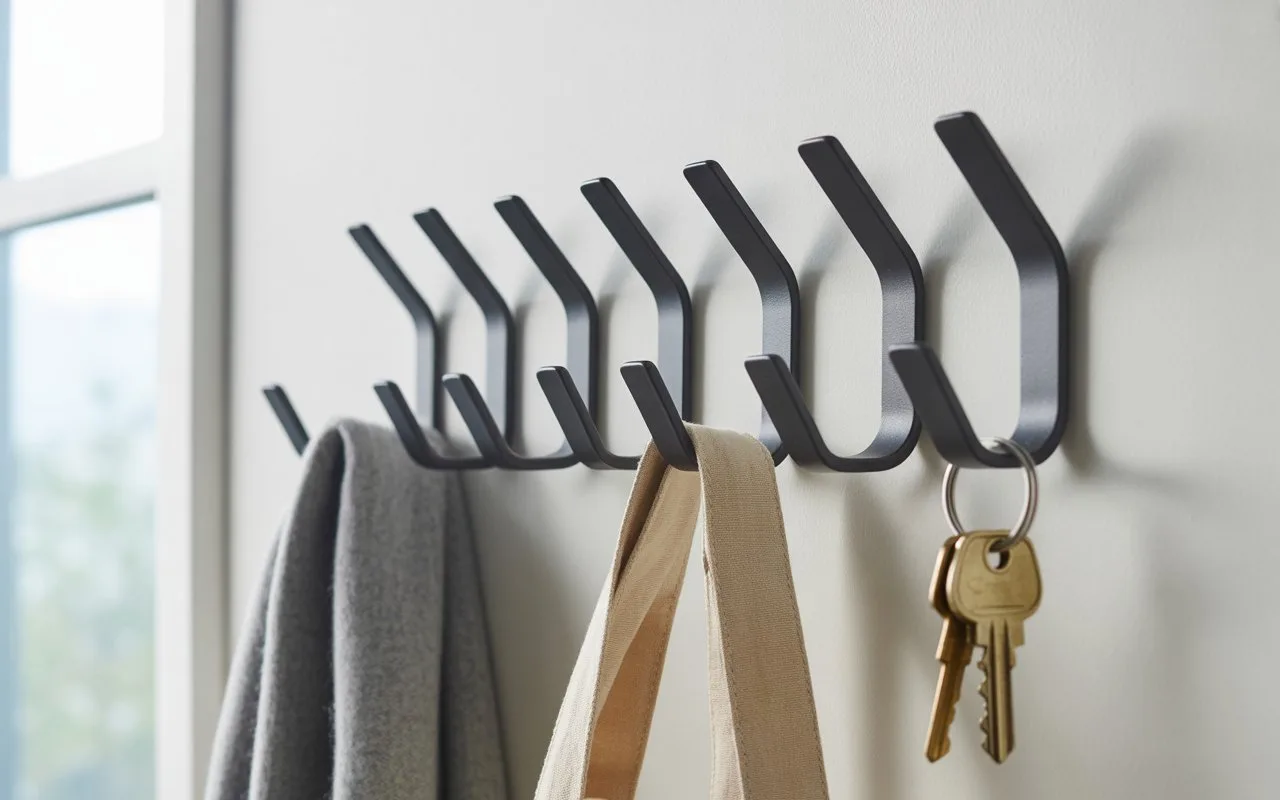
Not all hooks are the same. Depending on your needs, you can choose from several types:
Adhesive Hooks
These are easy to install and don’t require drilling. Just peel and stick. Perfect for renters or temporary setups.
Screw-Mounted Hooks
These are more permanent and can hold heavier items like coats or backpacks. They are drilled into the wall for strong support.
Magnetic Hooks
These are commonly used on metal surfaces like refrigerators or lockers. They are flexible and movable.
Decorative Hooks
These combine function with style. They often come in creative shapes like animals, leaves, or geometric patterns.
Heavy-Duty Hooks
Designed for strong loads, these are ideal for garages, workshops, or outdoor use.
Each type serves a different purpose, so choosing the right one depends on what you plan to hang.
4. Materials That Define Strength and Style
The material of a hook affects both its durability and appearance.
Metal Hooks
Strong, long-lasting, and ideal for heavy items. They also give a modern or industrial look.
Plastic Hooks
Lightweight and affordable. Great for bathrooms or light usage.
Wooden Hooks
Warm and natural in appearance. Perfect for cozy or rustic interiors.
Silicone or Rubber-Coated Hooks
These prevent scratches and add grip, making them suitable for delicate items.
Choosing the right material is like picking the right shoes—you want something that fits both the purpose and the environment.
5. Where You Can Use Them in Your Home
One of the best things about these small fixtures is their versatility.
Entryway
Hang keys, umbrellas, or bags so you never lose them again.
Bathroom
Perfect for towels, robes, and toiletries.
Kitchen
Use them for utensils, mugs, or aprons.
Bedroom
Great for clothes, hats, or accessories.
Office
Keep headphones, cables, and bags organized.
Every room in your house can benefit from a few well-placed hooks.
6. Easy Installation Without Stress
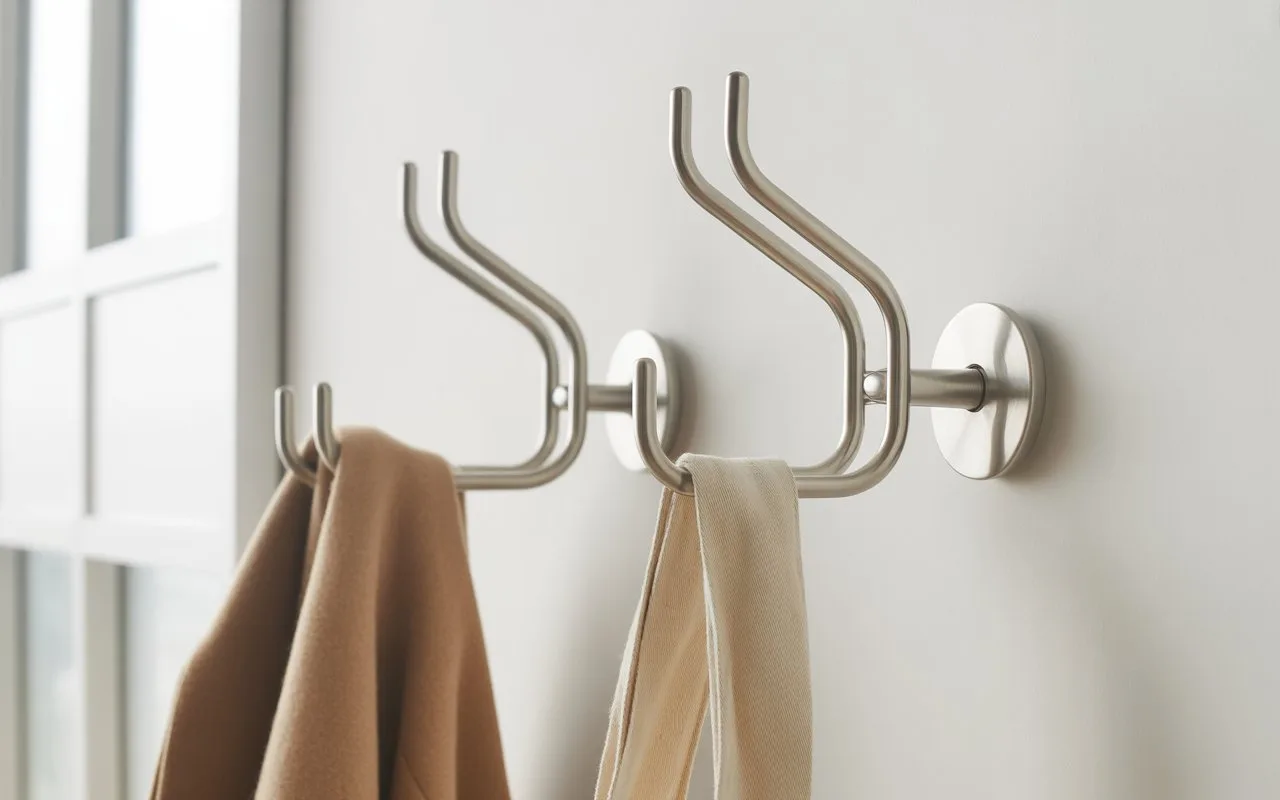
Installing hooks is usually simple, but doing it right makes a big difference.
For adhesive types, clean the wall surface first. Dust or moisture can reduce sticking power. Press firmly and wait before hanging anything.
For screw-mounted hooks, measure carefully before drilling. Use a level tool if possible to ensure alignment. It may take a bit more effort, but the result is much stronger.
The key is patience. A few extra minutes during installation can save you from future frustration.
7. Style and Aesthetics Matter More Than You Think
Gone are the days when hooks were purely functional. Today, they are part of interior design.
Minimalist homes often use sleek, invisible designs that blend into the wall. On the other hand, artistic homes may feature bold, colorful hooks that act like wall décor.
Some people even arrange hooks in creative patterns to create visual interest. It’s a simple way to make a wall both useful and attractive at the same time.
Think of them as tiny pieces of wall art that also serve a purpose.
8. Understanding Weight Limits and Safety
One common mistake people make is ignoring weight limits. Every hook has a maximum load capacity, and exceeding it can damage both the hook and the wall.
Light adhesive hooks are suitable for small items like keys or lightweight towels. Screw-mounted options can handle heavier objects like coats or bags.
Always check the packaging or instructions before use. It may seem like a small detail, but it ensures safety and durability.
A good rule of thumb: when in doubt, choose a stronger option.
9. Smart Space-Saving in Small Homes
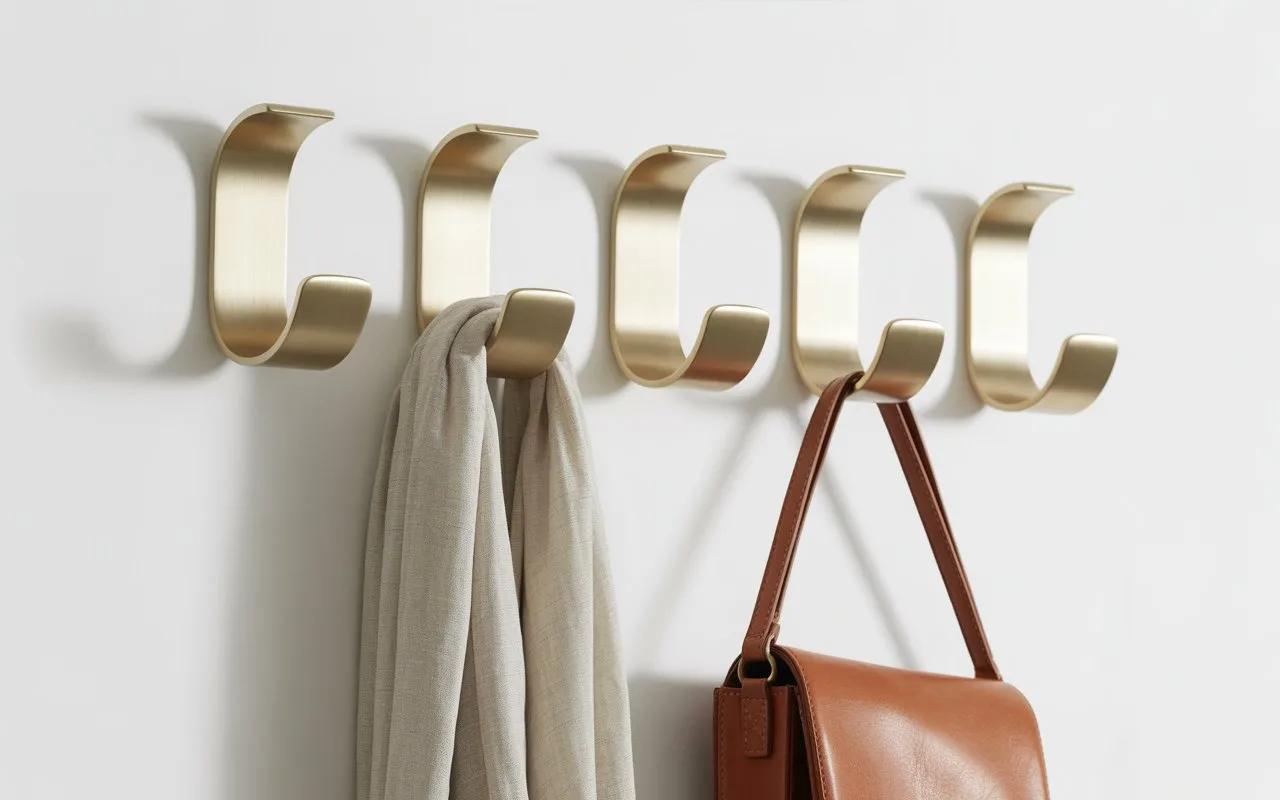
If you live in a small apartment or shared space, these fixtures can be a game changer.
Instead of bulky furniture, wall hooks allow vertical storage. This means you use wall space instead of floor space.
For example, instead of a large coat rack, a row of hooks can do the same job without taking up room. This creates a more open and breathable environment.
In compact living situations, every inch matters—and these small tools help you use space wisely.
10. Common Mistakes People Often Make
Even simple tools can be misused. Here are a few common mistakes:
- Placing hooks on weak or uneven surfaces
- Overloading them beyond capacity
- Installing them too close together
- Ignoring wall type before installation
- Choosing style over function
Avoiding these mistakes can significantly improve performance and longevity.
Sometimes, less is more. A few well-placed hooks work better than dozens poorly installed.
11. Maintenance and Long-Term Use
Taking care of hooks doesn’t require much effort, but it does help them last longer.
Wipe them occasionally to remove dust or moisture buildup. For metal hooks, check for rust in humid areas like bathrooms. Adhesive types may need replacement after some time.
Treat them as part of your home system rather than just accessories. When maintained properly, they can last for years without issues.
12. How to Choose the Right Ones for Your Needs
With so many options available, how do you decide?
Start by asking yourself simple questions:
- What will I hang?
- How heavy is it?
- Where will it be installed?
- Do I want something decorative or purely functional?
Once you answer these, your choice becomes much easier. It’s like solving a small puzzle—each piece needs to fit your lifestyle.
Don’t rush the decision. The right choice can make your daily routine smoother and more organized.
Conclusion
Sometimes, the smallest things create the biggest impact. Wall hooks are a perfect example of that idea. They don’t take up space, they don’t cost much, yet they bring structure and simplicity into everyday life.
From keeping your entryway tidy to making your kitchen more efficient, they quietly improve how you live. You may not notice them much once they’re installed, but you’ll definitely notice when they’re missing.
In a world where we often chase big solutions, it’s refreshing to see how something so simple can make life easier. So next time you feel your space getting cluttered, maybe the answer isn’t a big storage system—it could just be a few well-placed hooks on the wall.
FAQs
1. What are wall hooks used for?
They are used to hang everyday items like clothes, keys, towels, bags, and kitchen tools, helping keep spaces organized.
2. Can wall hooks hold heavy objects?
Yes, but only screw-mounted or heavy-duty types are suitable for heavier items. Adhesive hooks are best for light use.
3. Do adhesive hooks damage walls?
Most good-quality adhesive hooks are designed to be removable without damaging paint, but results can vary depending on wall surface.
4. Where should I place hooks in my home?
Common places include entryways, bathrooms, kitchens, bedrooms, and offices—anywhere you need quick access storage.
5. How do I choose the right hook type?
Consider the weight of items, wall type, and whether you prefer permanent or temporary installation before choosing.