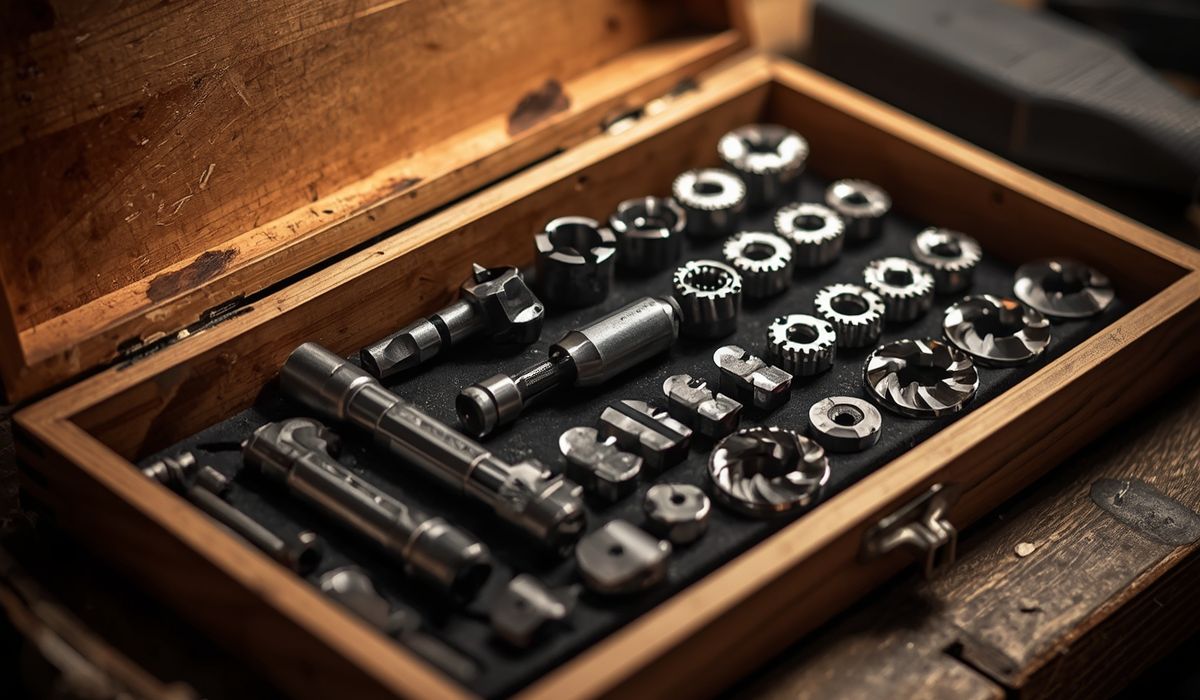
A stripped bolt can ruin your whole day. Seriously. One tiny damaged thread and suddenly a five-minute repair turns into a two-hour headache. Maybe longer.
That’s usually when people discover the world of the tap and die set.
At first glance, these tools look confusing. Sharp metal pieces. Tiny grooves. Weird handles. Feels like something only old-school mechanics understand. But once you actually use them, things change. Fast.
You start noticing threaded parts everywhere.
Bikes. Furniture. Car engines. Plumbing fixtures. Workshop projects. Even that old fan sitting in the garage.
A good threading tool kit doesn’t just repair things. It saves them. And honestly, there’s something deeply satisfying about fixing damaged metal with your own hands. Like bringing dead parts back to life again.
This guide breaks everything down in simple language. No complicated engineering talk. No robotic explanations. Just real information people can actually use.
What Is a Tap and Die Set?
Let’s keep this simple.
A tap and die set is a collection of tools used for making or repairing threads. Those spiral grooves you see on screws and bolts? Those are threads.
The set has two main stars:
- Tap → cuts threads inside a hole
- Die → cuts threads on the outside of a rod or bolt
That’s it. Pretty straightforward.
Think of it like a zipper. Both sides need matching grooves or nothing works properly. Same idea here.
Most sets also include:
- Wrenches
- Holders
- Thread gauges
- Storage cases
- Screw extractors sometimes
Some kits are tiny. Basic home use. Others look like they belong in a spaceship repair station.
Why People Actually Use These Tools
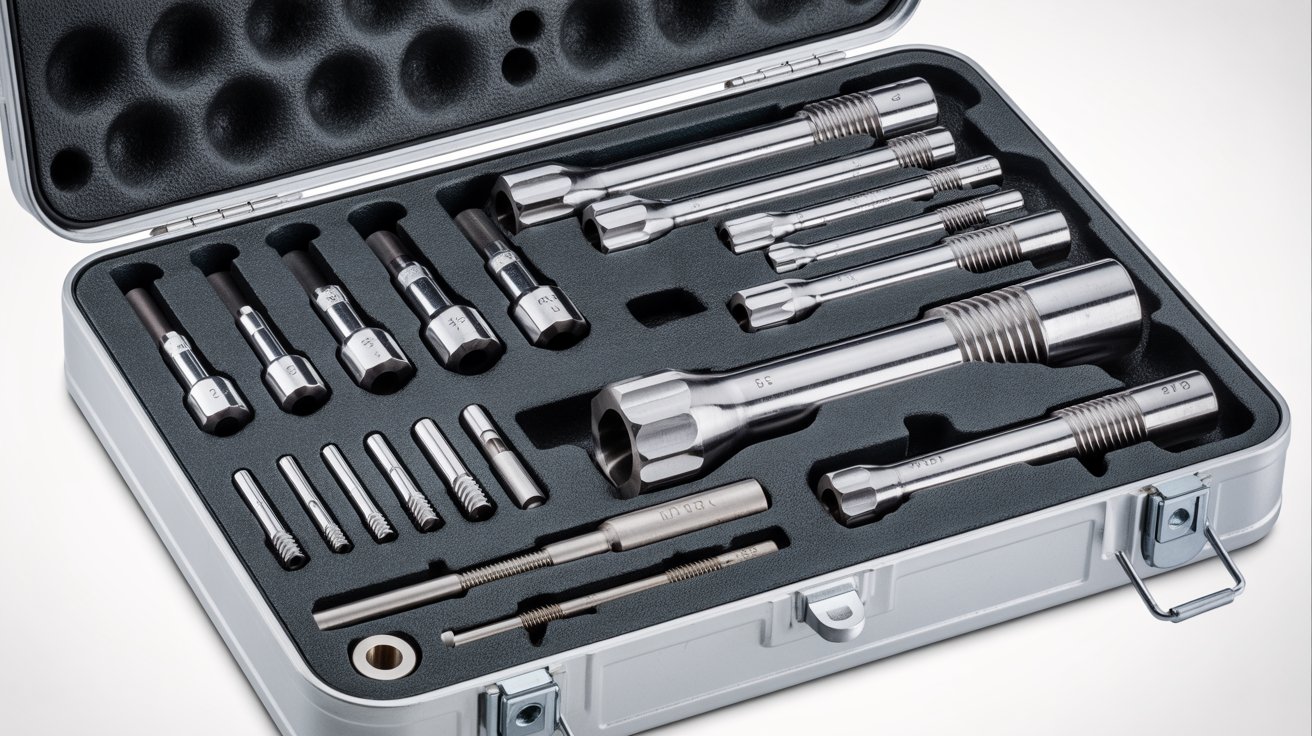
Funny thing is… most people don’t buy these tools until something goes wrong.
A damaged bolt hole. Rusted threads. A stripped screw on a motorcycle engine. Suddenly this weird-looking kit becomes the hero.
Fixing Worn Threads
This is probably the biggest reason.
Threads wear out over time. Metal rubs. Rust builds up. Someone overtightens a bolt because “one more turn won’t hurt.”
It hurts.
Instead of replacing the whole part, a threading tool can restore it. Saves money too.
Custom Projects
DIY builders love these sets.
Need custom threaded rods? Want to modify parts? Building furniture? Working on an old jeep?
These tools help make things fit together properly.
Restoration Work
Old machines almost always have damaged threads somewhere.
Vintage bikes. Antique tools. Old tractors.
A tap and die set becomes less of a tool and more of a rescue kit.
Understanding the Difference Between Taps and Dies
People confuse these two constantly. Don’t worry about it.
Here’s the easiest explanation possible.
| Tool | Job |
| Tap | Makes threads inside holes |
| Die | Makes threads outside rods |
Simple.
A tap kind of looks like a thick screw with cutting edges.
A die usually looks like a metal disk with a hole in the middle.
One goes in. One goes around.
Easy.
The Different Types of Taps
This part sounds technical. But honestly it’s not bad.
Different taps are made for different stages of threading.
Taper Tap
Starts gently. Easier for beginners.
The cutting happens gradually, so alignment feels smoother.
Good for:
- Starting new threads
- Softer metals
- Learning
Plug Tap
More aggressive cutting.
This is the common middle-ground option people use most often.
Works well for general repairs.
Bottoming Tap
Cuts threads almost to the very bottom of a hole.
Important for blind holes where there’s no exit point.
Not beginner-friendly sometimes. Little tricky.
Different Types of Dies
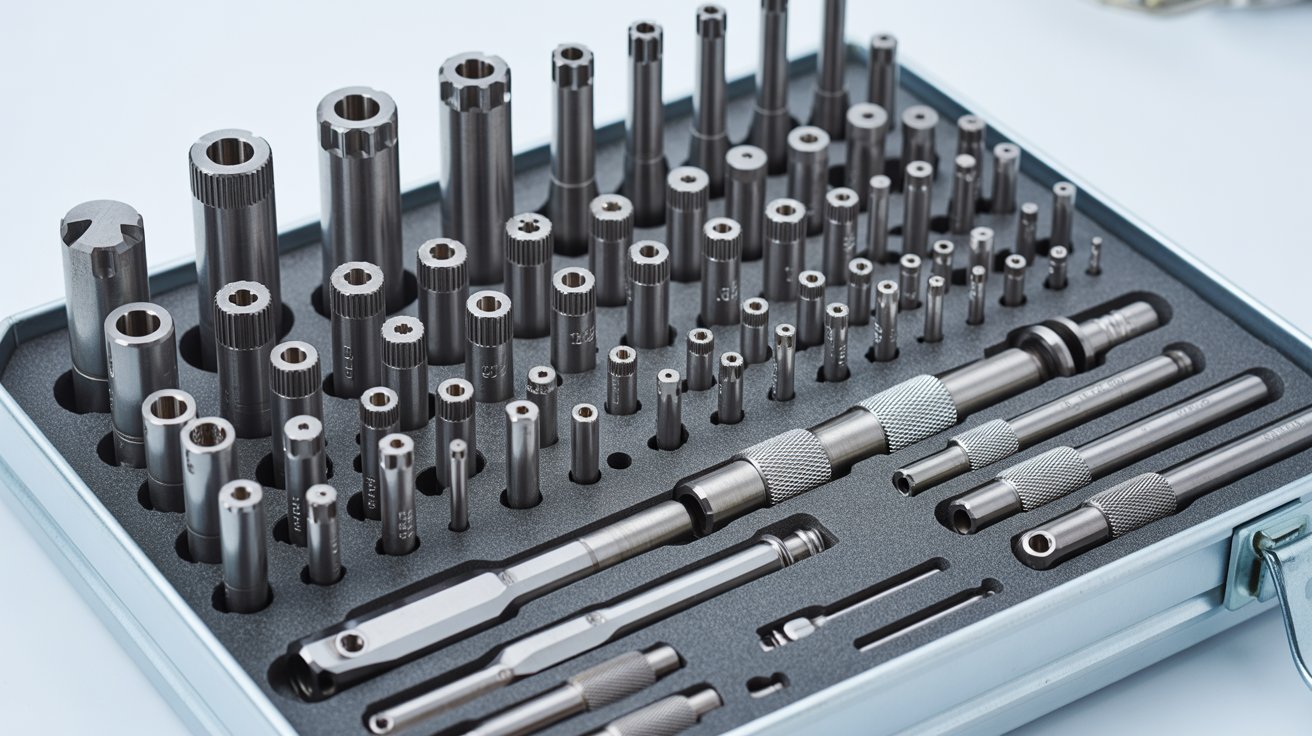
Dies also come in several styles. Some people don’t realize that.
Round Dies
Most common type.
Good for:
- Repairing bolts
- Making external threads
- General workshop use
Split Dies
Adjustable slightly.
Useful when thread precision really matters.
Mechanics like these.
Hex Dies
Compact. Portable.
You can use them with normal wrenches in tight spots.
Very handy actually.
The First Time I Used One
Not gonna lie. My first attempt was terrible.
I was trying to fix an old motorcycle bolt. Thought I understood everything after watching two videos online. Big mistake.
I forced the tap too hard. No lubrication. Crooked angle too.
Snap.
The tap broke inside the hole.
Absolute nightmare.
Spent nearly three hours trying to remove that tiny broken piece of steel. Learned my lesson quickly after that. These tools reward patience. They punish rushing.
That experience though? Weirdly useful.
Because once you learn the rhythm, threading starts feeling almost calming. Slow turns. Clean cuts. Tiny metal spirals falling away.
Very satisfying.
How to Use a Tap Correctly
Using a tap isn’t difficult. But precision matters alot.
Step 1 — Drill the Right Hole
This matters more than people think.
Too small?
The tap may break.
Too large?
Threads become weak.
Always check sizing charts first.
Step 2 — Secure the Material
Movement ruins alignment.
Clamp everything tightly before starting.
Step 3 — Add Cutting Oil
Never skip lubrication.
Dry cutting creates friction and heat very quickly.
Step 4 — Turn Slowly
Rotate clockwise carefully.
After every couple turns:
- Reverse slightly
- Break metal chips
- Continue slowly
This small back-and-forth motion helps prevent damage.
Step 5 — Clean the Hole
Metal shavings left behind can damage fresh threads.
Take your time here.
Really.
How to Use a Die Without Ruining Threads
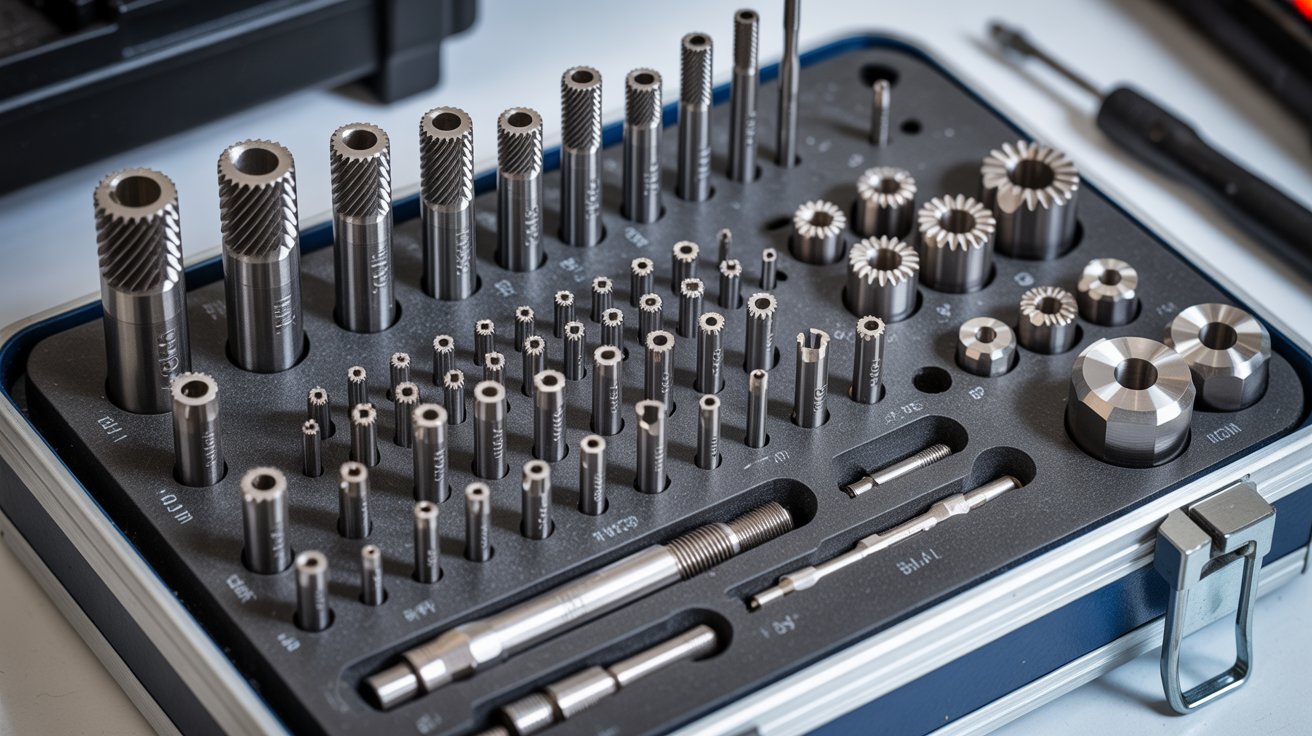
External threading feels easier for many beginners.
Still needs patience though.
Prepare the Rod
Slightly bevel the end first.
Helps the die catch properly.
Keep Alignment Straight
Crooked starts create ugly threads.
And once threading starts crooked… good luck fixing it later.
Use Lubrication Again
Oil matters here too.
A smoother cut means cleaner threads.
Rotate Gradually
Slow steady pressure works best.
Not brute force.
That’s where beginners mess up alot.
Common Mistakes Beginners Always Make
Everybody makes mistakes early on.
Some are small. Others expensive.
Using Cheap Tools
Low-quality threading tools dull fast.
Sometimes they break instantly under pressure.
Skipping Lubrication
This causes overheating and rough threads.
Metal hates friction.
Wrong Thread Measurements
Metric and SAE threads are not the same.
Mixing them creates disasters.
Applying Too Much Pressure
Threading should feel controlled.
Not like wrestling a crocodile.
Bad Alignment
Crooked threads rarely recover properly.
Start straight. Always.
Choosing the Right Set
Buying your first kit can feel overwhelming honestly.
Boxes everywhere. Different metals. Different sizes. Fancy marketing words.
So what matters most?
Material Quality
High-speed steel is usually best.
More durable. Cleaner cuts. Longer lifespan.
Carbon steel works for occasional home repairs though.
Piece Count
Small kits are fine for casual use.
Professional users often need larger sets with more thread sizes.
Metric or SAE
Depends where you live and what you repair.
Many modern kits include both systems.
Smart choice honestly.
Storage Case
People underestimate this.
Tiny threading pieces disappear constantly if the case is bad.
Then you spend half your day searching the garage floor.
Best Uses Around the House and Garage
These tools become useful in surprising ways.
Car Repairs
Stripped bolt holes happen all the time.
Especially in older vehicles.
Bicycle Maintenance
Thread damage on pedals and bolts is pretty common.
Furniture Restoration
Metal frames often need thread repairs.
DIY Projects
Custom threaded rods help in fabrication work.
Plumbing Repairs
Certain pipe jobs require threading tools too.
Once you own a set, you start finding excuses to use it. Funny how that works.
Maintaining Your Tools Properly
Good threading tools can last decades.
Bad maintenance kills them fast.
Clean Them After Use
Metal chips cause wear over time.
Keep Them Dry
Rust ruins cutting edges quickly.
Use Proper Oil
Lubrication protects both tool and material.
Store Carefully
Throwing taps loosely into a toolbox is a terrible idea honestly.
Edges chip easily.
Are Expensive Tap and Die Sets Worth It?
Sometimes yes. Sometimes no.
Depends how often you use them.
If you repair one bolt every two years, a budget set may be enough.
But regular users notice the difference immediately with premium kits.
Better tools provide:
- Cleaner threads
- Less breakage
- Better precision
- Smoother cutting
- Longer lifespan
Cheap sets often feel rough and frustrating.
Like using a dull kitchen knife. Technically works. But annoying.
Safety Matters More Than People Think
Metalworking tools deserve respect.
Even small ones.
Wear Eye Protection
Tiny metal chips fly farther than expected.
Clamp Materials Properly
Loose metal pieces are dangerous.
Avoid Rushing
Most accidents happen when people hurry.
Inspect Tools Regularly
Cracked taps can snap suddenly under pressure.
And trust me… removing broken hardened steel from metal is not fun.
At all.
Why DIY Enthusiasts Love These Tools
There’s something old-school about threading metal by hand.
Feels mechanical. Precise. Real.
In a world full of disposable products, repairing things feels different now. More meaningful somehow.
A threading tool kit represents that mindset perfectly.
Instead of throwing something away, you restore it.
Fix it.
Make it useful again.
That’s satisfying in a way online shopping never really is.
Conclusion
A tap and die set may seem like a niche workshop tool at first, but it quickly becomes one of the most practical kits you can own. From repairing damaged threads to building custom projects, these tools solve problems most people eventually run into.
The key is patience.
Use the correct size. Keep everything aligned. Don’t force the tool. Use lubrication. Small habits make a huge difference.
For mechanics, DIY enthusiasts, homeowners, and restoration hobbyists, a good threading set can save money, extend the life of equipment, and make repairs far less stressful.
And honestly… few things feel better than fixing a damaged part yourself instead of replacing the whole thing.
FAQs
1. What does a tap and die set actually do?
It creates or repairs screw threads on metal parts. Taps cut internal threads while dies cut external threads.
2. Can beginners use a tap and die set easily?
Yes. Beginners can learn quickly with patience, proper lubrication, and correct alignment techniques.
3. What materials can these tools work on?
Most sets work on aluminum, brass, steel, copper, and certain plastics.
4. Why do taps break during threading?
Usually because of too much pressure, poor alignment, incorrect hole size, or lack of cutting oil.
5. Is it better to buy an expensive threading kit?
For regular use, higher-quality kits usually perform better and last longer. Casual users may still manage fine with budget sets.