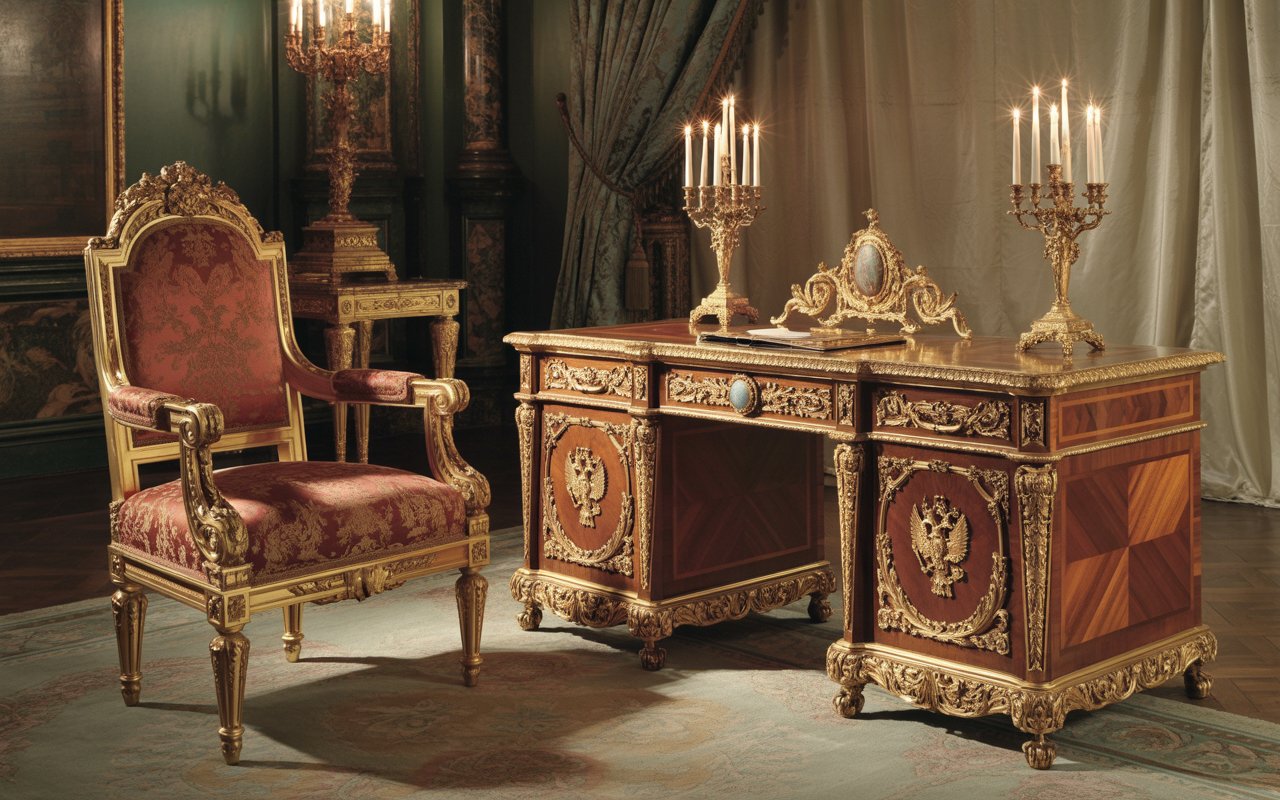
Introduction
Have you ever walked into a room and felt like it belonged to another era—one filled with grandeur, elegance, and quiet power? That is the kind of atmosphere often associated with the interiors linked to one of history’s most influential rulers, Catherine the Great.
She wasn’t just a powerful empress; she was a passionate supporter of art, culture, and design. Her influence shaped an entire era of decorative style in Russia, especially in furniture and interior design. The pieces created during her reign weren’t just functional objects—they were statements of authority, beauty, and sophistication.
In this article, we’ll explore the fascinating world of imperial furniture inspired by her era, how it evolved, what makes it unique, and why it still captures attention today.
1. The Cultural Climate of Imperial Russia
To understand the furniture style associated with Catherine’s time, we first need to picture the world she ruled.
18th-century Russia was undergoing transformation. The empire was opening itself to European influence, especially from France and Italy. Art, architecture, and interior design began shifting toward refinement and luxury.
Palaces became cultural symbols rather than just royal residences. Every object inside them—from chairs to cabinets—was designed to reflect power and prestige. Furniture was not just about sitting or storing things; it was about expressing identity.
2. Catherine’s Vision for Art and Design
Catherine had a clear vision: she wanted Russia to be seen as a cultured European empire.
She collected paintings, sculptures, and decorative objects from across Europe. She also invited foreign craftsmen and designers to her court. This blend of Russian tradition and European elegance created a unique style.
Think of it like a recipe where different ingredients from across Europe were mixed into one rich, luxurious design language.
3. The Rise of Neoclassical Influence

One of the most important styles during her reign was neoclassicism. This design movement took inspiration from ancient Greece and Rome.
Furniture became more structured and balanced. Instead of overly decorative curves, designers began using clean lines, symmetry, and geometric harmony.
Typical features included:
- Straight, elegant legs
- Marble or gilded accents
- Mythological motifs
- Subtle color palettes
This style reflected order, discipline, and intellectual refinement.
4. Rococo Elegance and Its Soft Touch
Before neoclassicism fully took over, Rococo influence was still strong.
Rococo furniture was more playful and decorative. It featured:
- Curved shapes
- Floral carvings
- Soft pastel tones
- Ornamental gold detailing
Imagine walking into a palace room that feels like a gentle swirl of silk and gold—that’s Rococo charm.
Even during Catherine’s reign, Rococo elements remained in certain royal interiors, blending with newer styles.
5. Materials That Defined Imperial Furniture
Furniture in this era was not made casually. Craftsmen used carefully selected materials to reflect wealth and durability.
Common materials included:
- Mahogany and walnut wood
- Gilded bronze ornaments
- Marble tops for tables
- Fine silk upholstery
- Hand-carved ivory and bone inlays
These materials were chosen not just for beauty but also for symbolism. Gold represented power, while marble signified permanence.
6. The Role of the Hermitage and Imperial Palaces
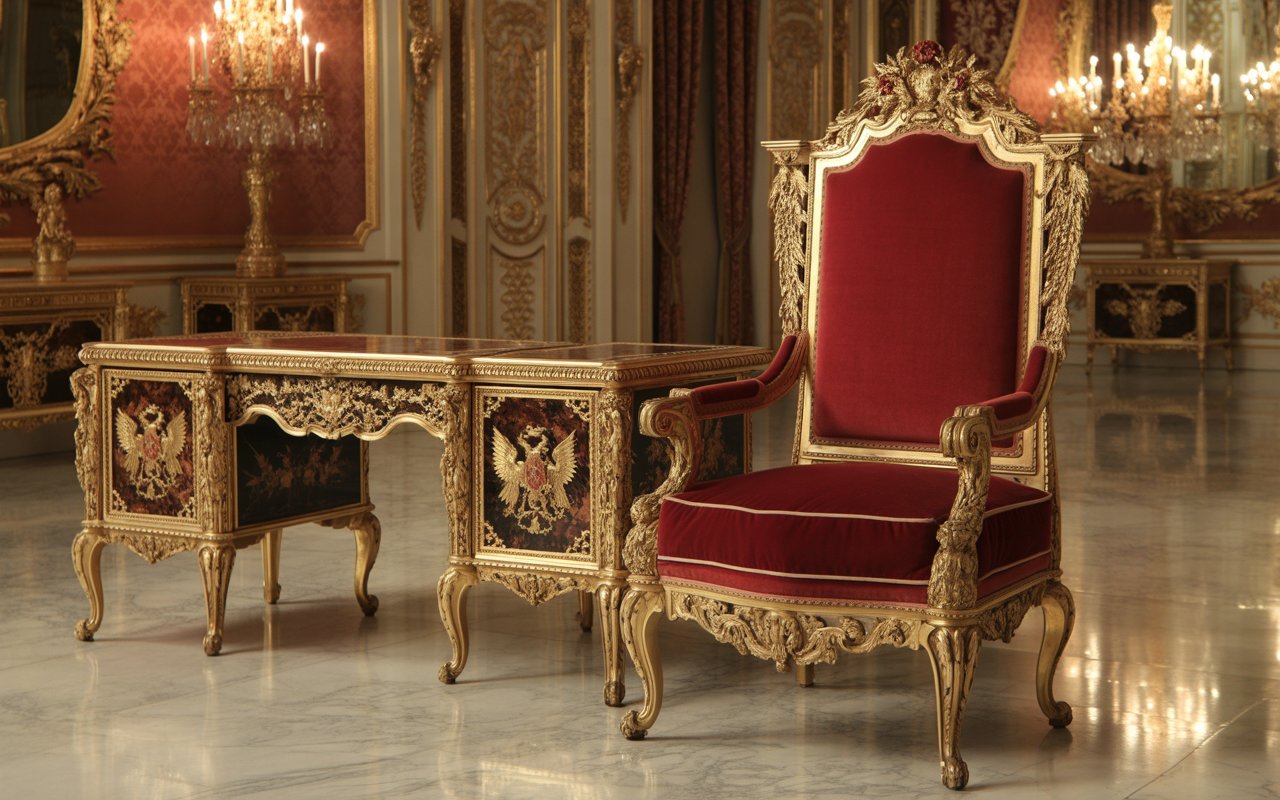
One of the greatest showcases of this design legacy can be found in the Winter Palace, now part of the Hermitage Museum in St. Petersburg.
Inside these grand halls, furniture was arranged as part of a larger visual experience. Chairs, tables, and cabinets were carefully placed to match paintings, mirrors, and architectural details.
Walking through these rooms today feels like stepping into a frozen moment of imperial life.
7. Symbolism Hidden in Furniture Design
Every piece of furniture carried meaning.
For example:
- Lion motifs symbolized strength and monarchy
- Laurel wreaths represented victory and honor
- Eagle designs reflected imperial authority
- Floral patterns expressed harmony with nature
Furniture was essentially storytelling carved in wood and metal. Each detail communicated something about power and culture.
8. Craftsmanship and Artistic Excellence
The craftsmen of the time were highly skilled artisans. Many came from Europe, especially France and Germany.
They worked under strict standards and often spent months or even years completing a single piece.
Imagine a cabinet so detailed that it feels like a miniature palace on its own. That level of craftsmanship made these pieces timeless.
9. Influence of European Designers

Catherine actively brought in European designers who shaped Russian interior aesthetics.
French influence was particularly strong. Designers introduced elegance, symmetry, and decorative refinement. Italian craftsmen contributed sculptural details and marble artistry.
This cross-cultural collaboration created a unique identity that was neither fully Russian nor entirely European—it was a fusion of both.
10. Furniture in Daily Imperial Life
Despite its luxurious appearance, this furniture wasn’t just for show.
It played a role in:
- Royal ceremonies
- Diplomatic meetings
- Private reading rooms
- Music and art salons
Each room had a purpose, and the furniture was designed to enhance that function while maintaining elegance.
Even simple chairs were built to reflect dignity and status.
11. Legacy in Modern Interior Design
Even today, echoes of this style can be seen in luxury interior design.
Modern designers often borrow elements such as:
- Gold accents
- Symmetrical layouts
- Classical-inspired furniture legs
- Rich, deep color palettes
It’s like a quiet whisper from the past influencing today’s aesthetic choices.
Many luxury hotels and high-end homes still use this imperial-inspired elegance to create a sense of timeless sophistication.
12. Why This Style Still Captivates Us Today
So why does this historical furniture style still fascinate people?
Because it represents more than decoration—it represents ambition, power, and artistry combined.
In a world of mass production, handcrafted imperial furniture feels almost like a reminder that beauty once took time, patience, and passion.
It makes us wonder: what would our spaces look like if we designed them with that level of care today?
Conclusion
The furniture associated with Catherine’s era is more than a historical design trend—it is a reflection of an empire’s identity and artistic ambition. Through neoclassical structure, Rococo charm, and masterful craftsmanship, it created interiors that still inspire admiration centuries later.
Like a beautifully written story carved into wood and gold, these pieces continue to speak to us—telling tales of power, elegance, and cultural transformation.
FAQs
1. What makes furniture from Catherine the Great’s era unique?
It combines European styles like Rococo and Neoclassicism with Russian imperial symbolism, creating a luxurious and highly artistic design language.
2. Which materials were commonly used in imperial furniture?
Craftsmen used mahogany, walnut, marble, silk, gilded bronze, and fine decorative inlays.
3. Where can this style of furniture still be seen today?
Many original pieces are preserved in the Hermitage Museum in St. Petersburg and other Russian palaces.
4. What design styles influenced this furniture the most?
The main influences were Rococo elegance and Neoclassical symmetry, along with French and Italian craftsmanship traditions.
5. Is this style used in modern interiors?
Yes, modern luxury interiors often borrow elements like gold detailing, classical shapes, and symmetrical layouts inspired by imperial design.