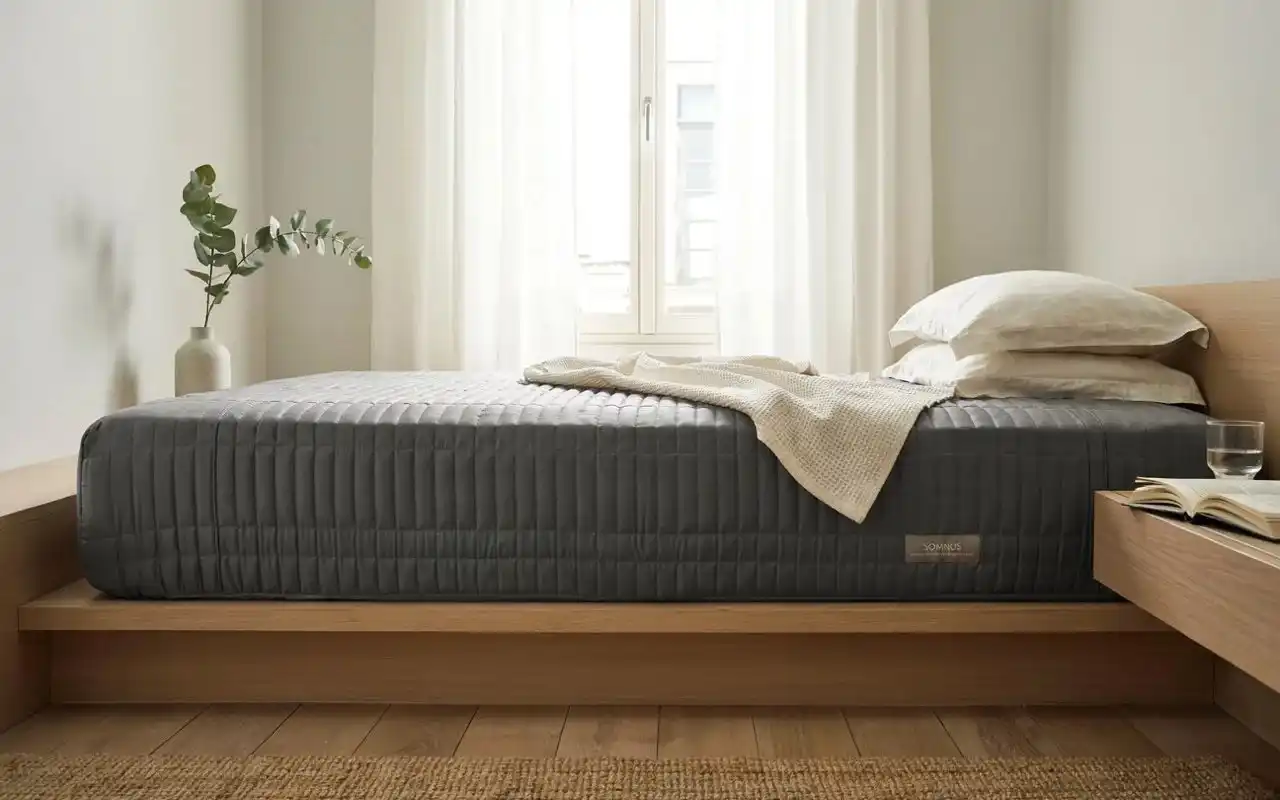
You wake up sneezing, your mattress feels hot, and a mysterious stain spreads near the edge. A ruined mattress can cost you a fortune and rob you of restful sleep. What if a simple layer could stop spills, block bed bugs, and keep you cool all night? A carefully chosen mattress cover delivers that shield, transforming your bed into a clean, comfortable sanctuary. I’ve tested over 30 mattress covers, and this guide hands you the exact steps to pick the right one.
What Is a Mattress Cover and Why Do You Need One?
A mattress cover wraps your mattress like a fitted sheet, creating a protective barrier between you and the sleep surface. It guards against sweat, dead skin, dust mites, and accidental spills. Without a mattress cover, moisture seeps into the foam, breaking down materials and voiding your warranty. The Sleep Foundation highlights that a waterproof mattress cover can double your mattress’s lifespan by preventing mold and bacteria growth. A quality mattress cover also blocks allergens, giving allergy sufferers a noticeable reduction in morning congestion. For anyone who wants a fresher bed and a healthier sleep environment, a mattress cover is a non-negotiable tool.
Mattress Cover Types: Find Your Perfect Match
The market offers specialized designs for every sleep challenge. Use this table to see how each mattress cover type compares.
| Mattress Cover Type | Material | Key Feature | Best For | Protection Level | Breathability |
| Plastic mattress cover | Vinyl or PEVA | 100% waterproof | Kids, pets, moving | High | Low |
| Cooling mattress cover | Tencel, PCM, Outlast | Temperature regulation | Hot sleepers | Medium | High |
| Bed bug mattress cover | Tight-weave polyester, zipper | Bite-proof encasement | Infestation defense | Maximum | Medium |
| Quilted mattress cover | Cotton cover with fiberfill | Extra plush comfort | Basic spill protection | Medium | High |
| 8 Sleep mattress cover | Hydro-powered grid | Active heating & cooling | Tech-savvy couples | Medium | Active |
| Organic cotton mattress cover | GOTS-certified cotton | Chemical-free softness | Sensitive skin | Low | Very high |
Plastic covers prioritize waterproofing. Cooling covers wick moisture and use phase-change materials. Bed bug encasements seal the entire mattress with a locked zipper. Choose based on your main concern.
Mattress Cover vs. Mattress Protector vs. Mattress Pad: Key Differences
People often confuse these three. A mattress cover fully encases the mattress or sits as a fitted sheet with deep pockets, shielding all sides from liquids and pests. A mattress protector usually offers a thin waterproof layer on top and sides but rarely covers the bottom. A mattress pad adds cushioning with minimal protection. Think of a mattress cover as your first defense against accidents, while pads focus on softness. For complete protection from bed bugs, you need a zippered mattress cover that seals every side.
How a Mattress Cover for Moving Safeguards Your Bed During Relocation
Moving trucks expose mattresses to dirt, grease, and tearing. A heavy-duty plastic mattress cover for moving acts like a body bag for your bed. Slide the mattress inside, tape the seams, and instantly block moisture, dust, and scuffs. Professional movers often require a mattress cover for moving to prevent liability. Look for covers at least 2 mil thick with reinforced handles. A queen mattress cover sized for moving should measure 60 x 80 inches with extra room for depth. This small investment stops you from hauling a stained, damaged mattress into your new home.
Cooling Mattress Cover: Sleep Hot? Here’s Your Solution
Waking up drenched in sweat sabotages deep sleep. A cooling mattress cover pulls heat away from your body and promotes airflow. Materials like Tencel lyocell absorb moisture 50% faster than cotton, while phase-change beads absorb and release heat to maintain a consistent temperature. I swapped my standard quilted cover for a cooling mattress cover with Outlast technology and felt a 3°F drop in surface warmth within the first night. Consumer Reports testing confirms that high-quality cooling mattress covers can lower skin temperature by up to 5°F, helping you fall asleep faster and stay asleep longer.
Bed Bug Mattress Cover: The Ultimate Defense Against Infestations
Once bed bugs invade a mattress, they hide in seams and crevices, feeding on you nightly. A certified bed bug mattress cover traps existing bugs inside and starves them while blocking new pests from entering. The Environmental Protection Agency recommends bed bug-proof encasements as a critical step in integrated pest management. Choose a bed bug mattress cover with a micro-zipper that teeth lock at 180 microns—small enough to stop nymphs. Seam-sealed fabric resists tearing. Leave the encasement on for at least one year to kill any trapped bugs. This mattress cover also shields against dust mites and pet dander, making it a triple-threat allergy solution.
Plastic Mattress Cover: Waterproof Protection for Kids, Pets, and Spills
When liquid hits the bed, you have seconds to react. A plastic mattress cover forms an impermeable shield that wipes clean in moments. Modern PEVA plastic mattress covers skip the harsh chemical smell and contain no BPA or phthalates. Keep one on your child’s bed during potty training, or use it under sheets for an elderly parent dealing with incontinence. Moving companies swear by the 3-mil plastic mattress cover because it survives sharp corners and splashing mud. Even if you prefer a quiet fabric-top cover, a backup plastic mattress cover belongs in every linen closet for emergencies.
Queen Mattress Cover: Sizing Guide for a Flawless Fit
A loose mattress cover bunches up and shifts, ruining its protective purpose. Standard queen mattress dimensions run 60 inches wide by 80 inches long. However, mattress depth varies wildly—from 8 inches for a slim innerspring to 16 inches for a pillow-top hybrid. Always measure your mattress height before buying a queen mattress cover. A deep-pocket queen mattress cover with elastic all around grips the corners securely. If your mattress measures over 14 inches deep, hunt for a “deep” or “extra-deep” label. A properly fitted queen mattress cover stays silent under your sheets and never pops off when you toss and turn.
8 Sleep Mattress Cover: Smart Cooling Technology for Precision Temperature Control
The 8 Sleep mattress cover transforms your bed into a climate-controlled sleep pod. This cover uses a water-charged grid layered above the mattress to actively cool or warm each side of the bed. Through the app, you set your ideal temperature between 55°F and 110°F, and the system adjusts up to 50 times per second. Couples love it because one side can chill while the other warms gently. The 8 Sleep mattress cover also tracks sleep stages, heart rate, and respiratory rate, then feeds you a morning sleep fitness score. While it costs more than a passive cooling mattress cover, users report deeper sleep and fewer night sweats.
How to Choose the Best Mattress Cover for Your Sleep Style
Match your mattress cover to your daily reality. Use this checklist:
- Primary need: Waterproofing? Cooling? Allergy blocking? Moving?
- Material feel: Do you prefer a crisp cotton surface or a slick wipe-clean finish?
- Depth compatibility: Measure your mattress—never guess.
- Certifications: Look for OEKO-TEX Standard 100 or CertiPUR-US for low chemical emissions.
- Noise level: Some plastic covers crinkle; choose fabric-backed options if you’re a light sleeper.
- Washability: Machine-washable covers save time and maintain hygiene.
- Zippered vs. fitted: A full zippered mattress cover locks out bed bugs and allergens far better than a fitted style.
Take five minutes to prioritize these features, and you will land on a mattress cover that feels invisible yet works around the clock.
Care and Maintenance: Keep Your Mattress Cover Fresh and Effective
Washing your mattress cover every two to four weeks removes sweat, dead skin, and dust mites. Machine-wash it in cold water on a gentle cycle, then tumble dry on low. Skip bleach and fabric softener—they break down waterproof coatings and elastic fibers. For a bed bug mattress cover, simply vacuum the exterior once a month and inspect the zipper seal. If you own a plastic mattress cover, wipe it down with a mild soap solution and air dry away from direct heat. Treat your mattress cover right, and it will guard your mattress for years.
Mattress Cover FAQs: Your Top Questions Answered
What does a mattress cover do?
It creates a barrier against spills, allergens, bed bugs, and wear, extending your mattress’s life.
Can a mattress cover stop bed bugs?
Yes. A certified bed bug mattress cover encases the entire mattress and traps bugs inside until they die.
How often should I wash my mattress cover?
Wash it every two to four weeks, or immediately after any spill, to keep it hygienic and effective.
Is a plastic mattress cover safe for daily use?
Modern BPA-free PEVA plastic mattress covers are safe and provide unbeatable waterproof protection for children and adults.
What size mattress cover fits a queen bed?
A standard queen mattress cover measures 60 by 80 inches, but you must check the pocket depth to match your mattress thickness.
Do cooling mattress covers really work?
Absolutely. Cooling mattress covers use moisture-wicking fabrics and phase-change materials to pull heat away and maintain a comfortable sleep temperature.
Your mattress works hard every night—give it the shield it deserves. A purpose-built mattress cover stops the accidents, allergens, and temperature swings that steal your sleep. Pick your top priority from this guide, measure your bed, and buy with confidence. Got a success story or a question we missed? Drop it in the comments, and share this guide with a friend who deserves better sleep tonight.
Written by Alex Rivera, Certified Sleep Science Coach. Over 8 years of hands-on testing with mattress covers and sleep technology. Sources: Sleep Foundation, U.S. Environmental Protection Agency, Consumer Reports.