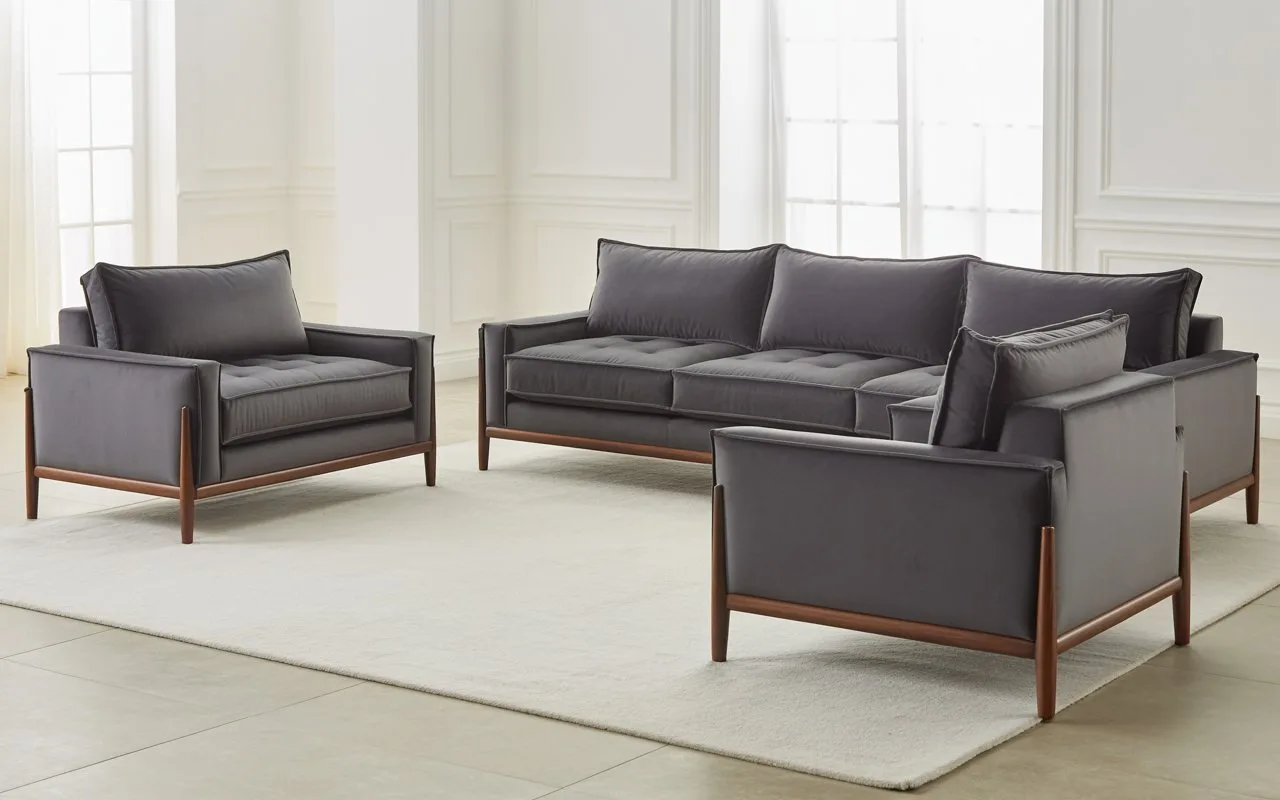
A living room often tells a story before anyone even sits down. Walk into any home and your eyes naturally move toward the seating area. That is because the sofa is more than a piece of furniture; it becomes the heart of daily life. It is where people watch movies, enjoy conversations, take afternoon naps, and create memories with family and friends.
Think of it this way: a sofa in a room is like the captain of a ship. Everything around it—the coffee table, rugs, lamps, and décor—often follows its direction. Choosing the right one affects comfort, appearance, and even how people experience a space.
This guide explores everything you need to know, from styles and materials to maintenance and buying tips.
Understanding the Purpose of a Sofa Set
Before selecting any furniture, ask a simple question: What role will it play in your home?
Some households need a cozy place for family movie nights. Others may need a stylish setup to impress guests. A few homes require furniture that serves multiple purposes.
A seating arrangement can fulfill several needs:
- Daily relaxation
- Guest seating
- Home decoration
- Space management
- Additional sleeping options
- Entertainment purposes
Understanding your purpose makes the decision easier and prevents expensive mistakes.
Different Types of Sofa Designs
Furniture manufacturers create countless styles, but some popular choices continue to stand out.
Sectional Seating
Sectional designs come in multiple connected pieces. They fit larger rooms and provide plenty of seating space.
Benefits include:
- Flexible arrangements
- Suitable for large families
- Modern appearance
- Better use of corners
They work particularly well in open floor plans.
Traditional Three-Seater
This classic option remains common in many homes. It provides balanced seating without occupying too much room.
People often pair it with single chairs or side seating.
L-Shaped Designs
These pieces fit neatly into corners and maximize room space.
Advantages include:
- Space-saving design
- Casual appearance
- Comfortable lounging
Reclining Models
Recliners provide adjustable comfort levels.
Features often include:
- Footrests
- Head support
- Adjustable positions
These are ideal for people who enjoy relaxation after long workdays.
Sleeper Options
Some homes need furniture with two functions. Sleeper models transform into beds when needed.
They are useful for:
- Small apartments
- Guest rooms
- Limited spaces
Choosing the Right Size for Your Room
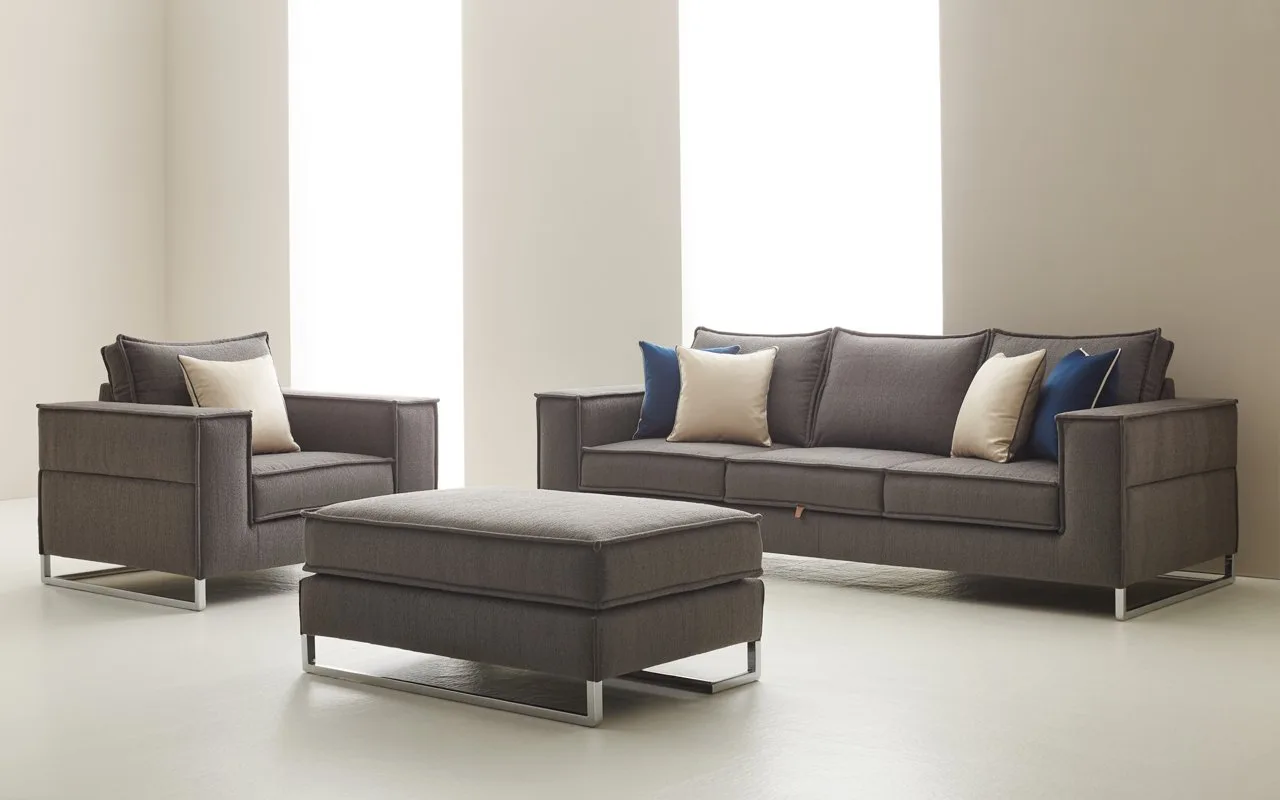
Have you ever seen beautiful furniture in a store but noticed it looked awkward at home? Size usually causes the problem.
A piece may appear perfect under showroom lighting but become overwhelming inside a smaller room.
Consider these points:
Measure Your Space
Record:
- Room length
- Width
- Door dimensions
- Walking areas
Leave enough space for movement.
Balance Matters
Furniture should not dominate the room.
Too small:
- Appears lost
- Reduces functionality
Too large:
- Makes the room feel crowded
- Restricts movement
Finding balance creates harmony.
Popular Materials Used in Sofa Construction
The material affects durability, maintenance, and appearance.
Leather
Leather remains a timeless choice.
Pros:
- Luxurious appearance
- Long-lasting
- Easy cleaning
Cons:
- Higher cost
- Sensitive to scratches
Fabric
Fabric comes in numerous textures and colors.
Advantages:
- Wide variety
- Comfortable feel
- Affordable options
Disadvantages:
- May absorb stains
- Requires regular cleaning
Velvet
Velvet creates a rich and elegant atmosphere.
Strengths:
- Soft texture
- Attractive appearance
Weaknesses:
- Requires extra care
Synthetic Materials
Modern materials offer durability at reasonable prices.
Benefits:
- Budget-friendly
- Easy maintenance
- Variety of patterns
How Color Influences Your Living Space
Color affects emotions more than many people realize.
Light colors often create:
- Openness
- Freshness
- Brightness
Dark shades may add:
- Sophistication
- Warmth
- Depth
Neutral tones remain popular because they adapt easily to changing décor.
Examples include:
- Beige
- Gray
- Cream
- Soft brown
If you enjoy experimenting, colorful cushions can add personality without making permanent changes.
Comfort Matters More Than Appearance
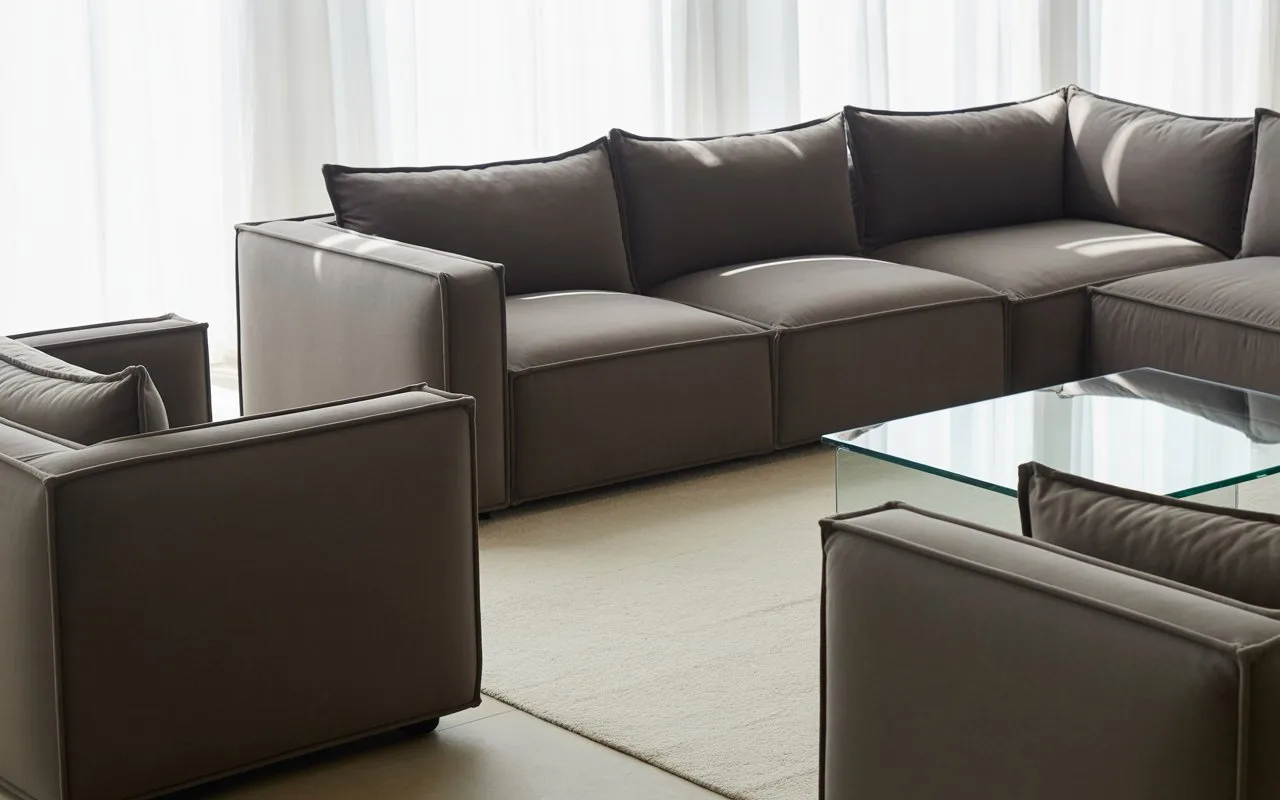
A beautiful design that feels uncomfortable quickly becomes disappointing.
When testing furniture, consider:
Seat Depth
Deep seating allows relaxed lounging.
Shallow seating provides:
- Better posture
- Easier movement
Back Support
Good support helps reduce discomfort during long sitting periods.
Cushion Firmness
Preferences vary.
Some people prefer:
- Soft cushions
- Sink-in comfort
Others prefer:
- Firm support
- Structured seating
Spend time sitting before making a final decision.
Matching Furniture With Interior Style
Every home has its own personality.
Furniture should blend naturally with existing design elements.
Modern Interiors
Modern spaces often use:
- Clean lines
- Neutral colors
- Minimal decoration
Traditional Interiors
Traditional rooms commonly include:
- Rich wood elements
- Decorative details
- Warm colors
Contemporary Interiors
Contemporary design changes with trends and often combines different styles.
Minimalist Spaces
Minimalist homes focus on simplicity.
Common characteristics:
- Functional furniture
- Open layouts
- Reduced clutter
Factors That Affect Durability
No one wants furniture that looks worn after a short time.
Durability depends on several factors.
Frame Material
Strong frames usually use:
- Hardwood
- Engineered wood
- Metal support
Weak frames may loosen over time.
Quality of Cushions
High-density foam generally lasts longer than low-density alternatives.
Stitching and Construction
Check:
- Seams
- Joints
- Fabric quality
Small details often reveal overall craftsmanship.
Smart Buying Tips for First-Time Buyers
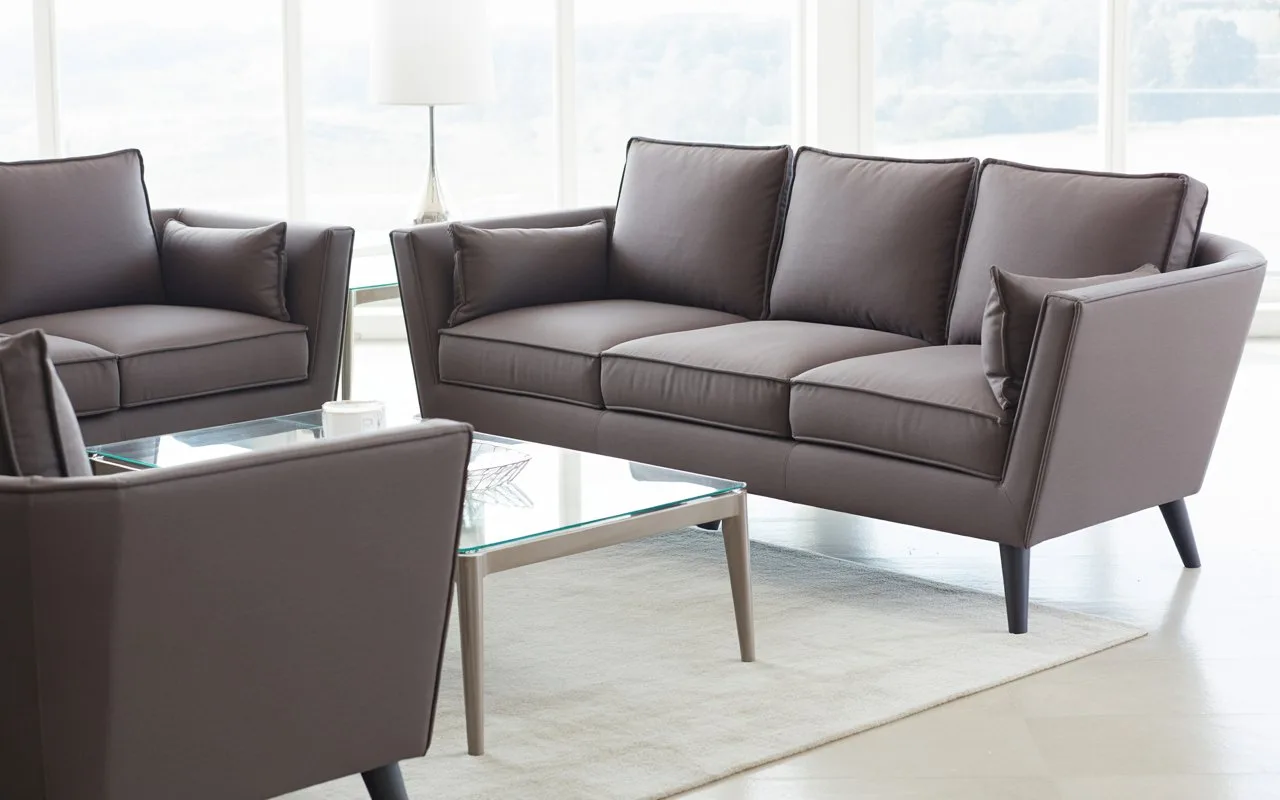
Buying furniture can feel overwhelming because of endless choices.
Keep these practical tips in mind:
Set a budget
Determine spending limits before shopping.
Research reviews
Customer experiences often reveal important information.
Check warranties
Good warranties may indicate confidence in product quality.
Test before buying
Never rely entirely on photographs.
Think long term
Choose quality and comfort over temporary trends.
Caring for Your Sofa Properly
Maintenance extends furniture life significantly.
Simple habits can make a noticeable difference.
Vacuum Regularly
Dust and crumbs gradually damage fabric.
Rotate Cushions
Rotation helps maintain even wear.
Avoid Direct Sunlight
Strong sunlight may fade materials over time.
Clean Spills Quickly
Immediate cleaning reduces stain risks.
Follow Manufacturer Instructions
Different materials require specific care methods.
Small maintenance efforts today can save larger expenses later.
Trends in Modern Sofa Design
Design trends continue evolving each year.
Current preferences often include:
Curved Shapes
Rounded edges create softer visual appeal.
Modular Pieces
Flexible sections allow custom arrangements.
Earth-Inspired Colors
Popular shades include:
- Olive green
- Sand tones
- Warm beige
- Terracotta
Sustainable Materials
Many buyers now prioritize environmentally friendly products.
Sustainability continues gaining attention among homeowners.
Creating a Cozy Living Space Around Your Sofa
Furniture alone does not create a complete environment.
Supporting elements improve overall atmosphere.
Consider adding:
- Area rugs
- Accent cushions
- Throw blankets
- Side tables
- Floor lamps
- Indoor plants
These additions transform a basic seating area into an inviting living space.
A thoughtfully designed room feels welcoming and personal.
Conclusion
A sofa set is much more than a place to sit. It becomes part of daily routines and family memories. From relaxing after work to gathering with loved ones, it quietly serves many purposes over the years.
Choosing the right option involves balancing comfort, style, durability, and budget. Size matters, materials matter, and long-term usability matters even more. Instead of rushing into a purchase based only on appearance, take time to evaluate your needs carefully.
The ideal choice is not necessarily the most expensive or trendy one—it is the one that fits naturally into your life and makes your home feel complete.
FAQs
1. How long does a quality sofa usually last?
A well-built piece with proper maintenance can generally last between 7 and 15 years or even longer.
2. Which material is easiest to maintain?
Leather and many synthetic materials are usually easier to clean and maintain compared to delicate fabrics.
3. What color works best for most homes?
Neutral shades such as gray, beige, and cream work well because they match many interior styles.
4. How can I choose the correct size for my room?
Measure your room dimensions, allow space for movement, and avoid selecting furniture that overwhelms the area.
5. Are sectional designs suitable for small rooms?
Yes, certain compact sectional options can maximize seating while efficiently using available space.