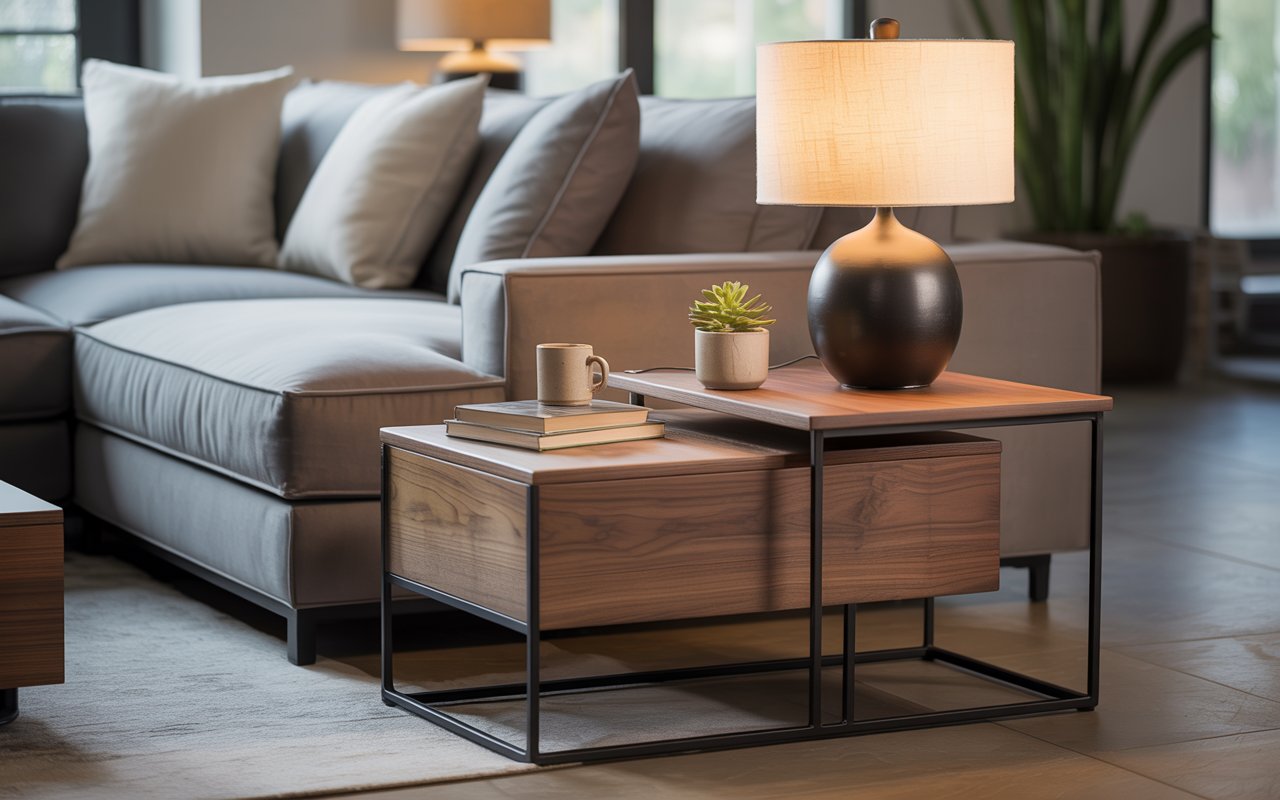
Your living room is often the heart of your home. It is where you relax after a long day, enjoy conversations with family, entertain guests, or simply sit with a cup of coffee and your favorite book. While large furniture pieces like sofas and chairs usually receive most of the attention, smaller pieces often do much of the practical work. Among these, side furniture placed beside seating areas quietly becomes one of the most useful additions.
Think of these small tables as the supporting actors in a movie. The stars may get the spotlight, but the supporting cast keeps everything running smoothly. Without them, you suddenly wonder where to place your drink, remote control, lamp, or phone charger.
This guide explores everything you need to know, from styles and materials to placement ideas and buying tips.
Choosing the Right Size for Your Space
Size matters more than many people realize. A piece that is too large can make a room feel crowded, while one that is too small can look awkward and disconnected.
Height considerations
The height should generally match or sit slightly below the arm of your sofa or chair. If it is too high, reaching for items becomes uncomfortable. If it is too low, using it feels inconvenient.
Width and depth
Measure the available space before buying. Leave enough room for movement around seating areas.
General guidelines include:
- Small rooms: Compact designs around 14–18 inches wide
- Medium spaces: Around 18–24 inches wide
- Larger rooms: Wider options with additional storage
Good proportions create visual balance and make everything feel intentional.
Understanding Different Styles
Decor styles vary greatly, and choosing something that complements the room creates harmony.
Modern
Modern designs usually feature:
- Clean lines
- Smooth surfaces
- Minimal decoration
- Neutral colors
These work well in homes with a simple and uncluttered appearance.
Traditional
Traditional pieces often include:
- Decorative details
- Curved edges
- Rich wood tones
- Classic designs
They create warmth and timeless appeal.
Rustic
Rustic furniture brings a natural feeling indoors through:
- Distressed finishes
- Textured wood
- Earth-inspired colors
This style feels cozy and welcoming.
Industrial
Industrial options combine raw materials such as:
- Metal frames
- Dark finishes
- Reclaimed wood
These create a bold urban look.
Scandinavian
Scandinavian design focuses on:
- Simplicity
- Light colors
- Natural materials
- Practical use
It creates an airy and comfortable atmosphere.
Materials That Affect Appearance and Durability
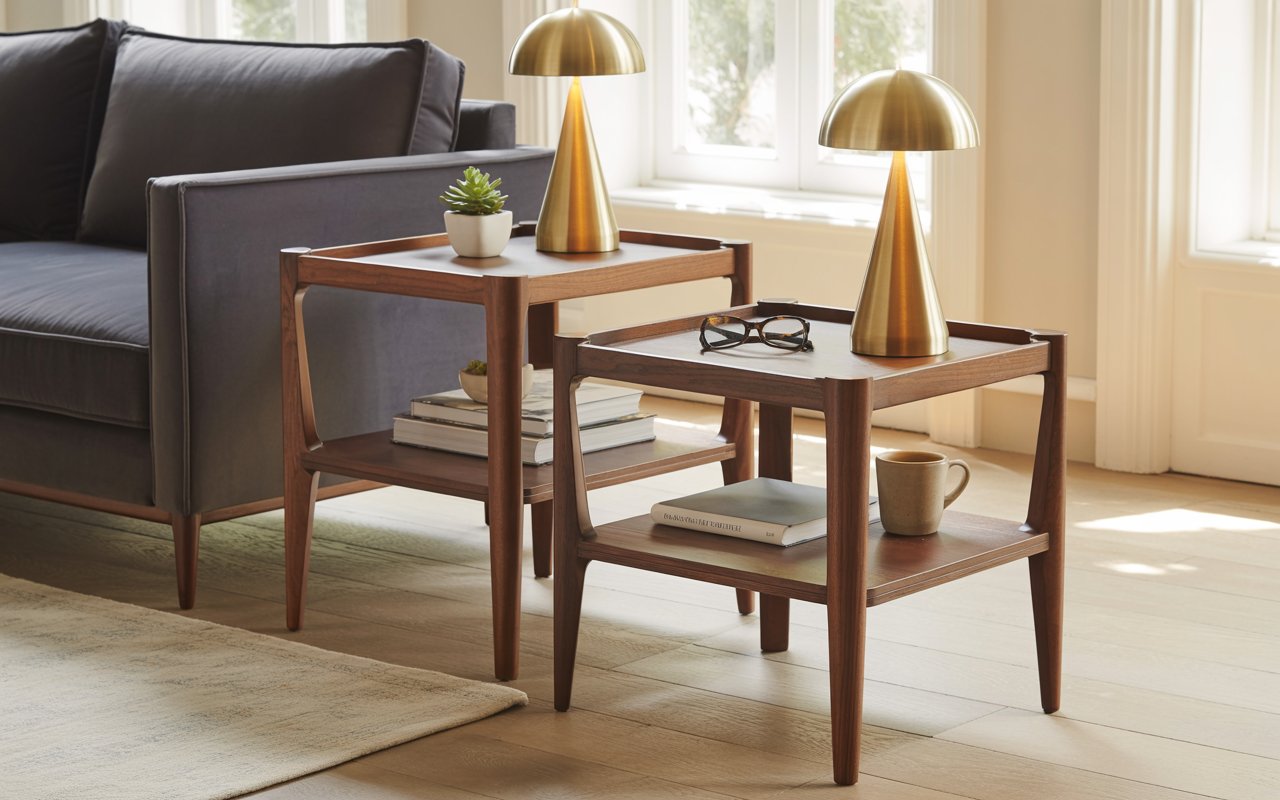
The material influences not only the look but also long-term performance.
Wood
Wood remains one of the most popular choices because of its versatility.
Benefits include:
- Long lifespan
- Natural beauty
- Variety of finishes
- Strong construction
Oak, walnut, pine, and maple each create a different personality.
Glass
Glass surfaces can make smaller spaces feel more open.
Advantages include:
- Modern appearance
- Light visual weight
- Easy coordination with décor
However, fingerprints and dust may require frequent cleaning.
Metal
Metal adds strength and contemporary character.
Popular features:
- Durability
- Sleek appearance
- Minimal maintenance
Metal often pairs with wood or glass for a balanced design.
Marble
Marble brings elegance and luxury.
Strengths include:
- Unique patterns
- Sophisticated appearance
- High visual impact
Because it can stain or scratch, extra care may be needed.
Storage Features That Add Practical Value
Furniture can do more than simply hold a coffee cup.
Many modern designs include storage features that help reduce clutter.
Drawers
Drawers provide hidden storage for:
- Remote controls
- Chargers
- Books
- Small accessories
Shelves
Open shelves create quick access for:
- Decorative items
- Magazines
- Plants
- Baskets
Cabinets
Cabinets help hide everyday items and create a cleaner look.
Storage becomes especially useful in smaller homes where every inch matters.
Matching Furniture with Your Sofa
The seating area should feel connected rather than randomly assembled.
Consider these factors:
Color coordination
You do not need identical colors. Complementary shades often create a more interesting appearance.
Examples include:
- Gray sofa with walnut wood
- Beige seating with black metal accents
- White furniture with natural oak
Shape balance
Shape affects visual flow.
For example:
- Round designs soften sharp corners
- Square options create structure
- Oval shapes improve movement in tight spaces
Balance is often more important than perfect matching.
Placement Ideas for Better Functionality
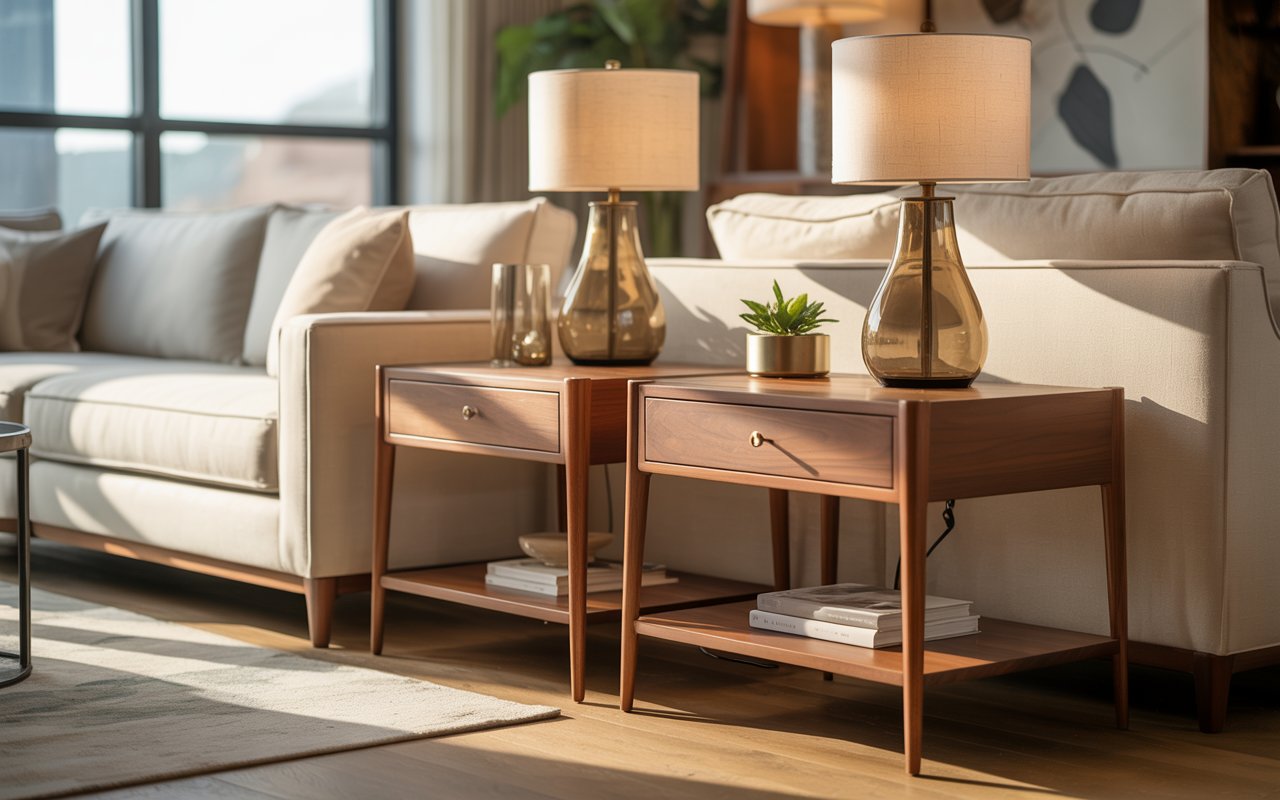
Positioning can change how a room feels and works.
Beside the sofa
This is the most common arrangement.
Benefits include:
- Easy access
- Visual symmetry
- Functional convenience
Between chairs
A small table placed between two chairs creates a comfortable conversation area.
Corner spaces
Empty corners often become wasted areas.
Adding furniture there can:
- Fill visual gaps
- Hold lighting
- Display decorations
Floating arrangement
Larger rooms sometimes benefit from pieces placed away from walls.
This approach can define seating zones and improve flow.
Decorating the Surface Without Creating Clutter
Many people struggle with decorating because surfaces quickly become crowded.
A simple formula often works best.
Try combining:
- Something tall
- Something natural
- Something personal
For example:
A lamp, a small plant, and a framed photo can create a balanced arrangement.
Decor items may include:
- Candles
- Books
- Vases
- Small sculptures
- Plants
- Decorative trays
Less often creates greater impact.
Small Living Rooms Need Smarter Solutions
Limited space requires thoughtful choices.
Nesting designs
These include multiple pieces that fit beneath one another.
Advantages:
- Space-saving
- Flexible arrangement
- Additional surface area when needed
Slim profiles
Narrow furniture prevents crowding.
Multi-purpose options
Some pieces offer:
- Hidden compartments
- Charging stations
- Foldable features
Smart furniture works harder without taking more space.
Trends Shaping Modern Interior Spaces
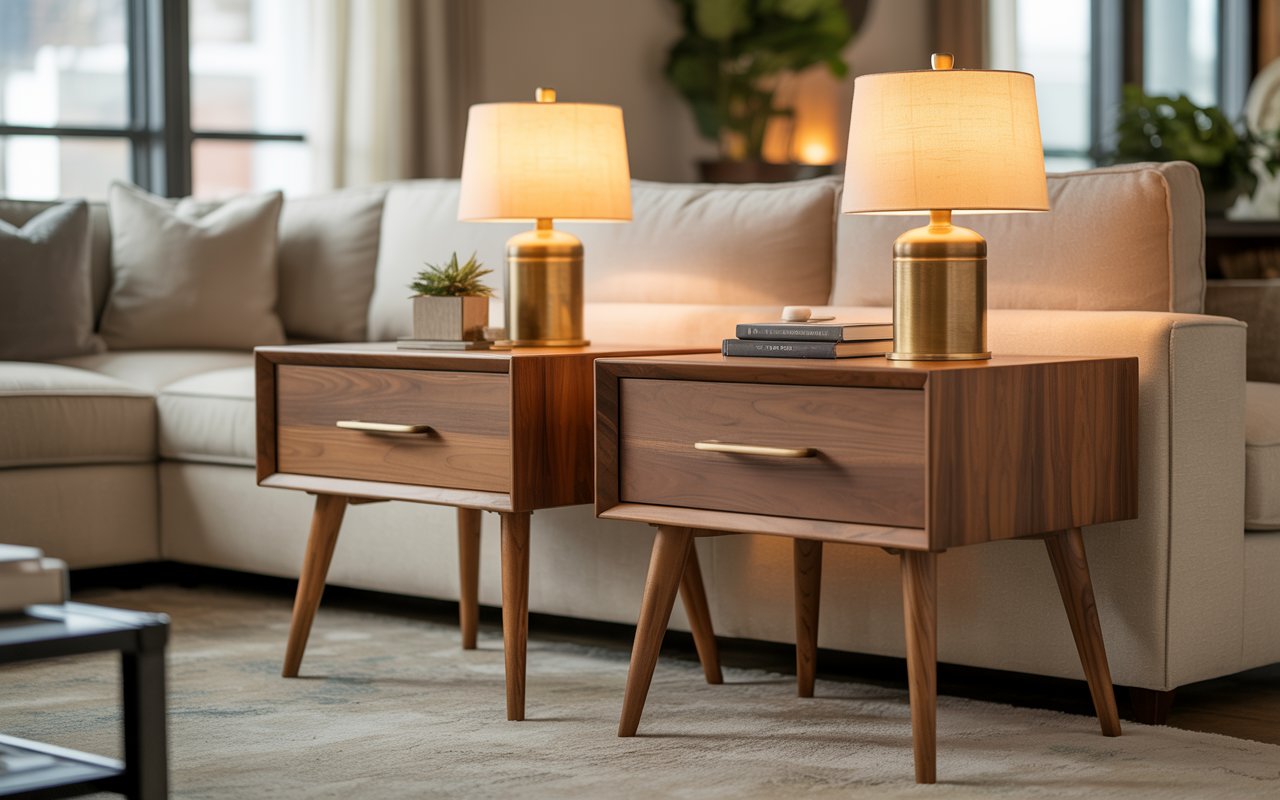
Design trends change over time, but practical ideas usually remain useful.
Current trends include:
Natural textures
People increasingly prefer:
- Wood grain
- Stone surfaces
- Organic materials
Mixed materials
Combining materials creates depth and visual interest.
Examples include:
- Metal with wood
- Glass with brass
- Marble with steel
Earth-inspired tones
Popular colors include:
- Warm brown
- Olive
- Sand
- Beige
- Charcoal
These shades create calm and comfort.
Mistakes People Commonly Make
Avoiding a few mistakes can save money and frustration.
Ignoring measurements
Furniture may look perfect online but appear oversized in reality.
Always measure before buying.
Prioritizing appearance over use
Beautiful furniture should still fit everyday life.
Buying identical pieces everywhere
Perfect matching sometimes creates a showroom appearance rather than a comfortable home.
Overcrowding surfaces
Too many decorations can make a room feel chaotic.
Maintenance Tips for Long-Term Beauty
Furniture lasts longer with proper care.
- Dust regularly
- Avoid excess moisture
- Use furniture polish occasionally
- Clean with glass cleaner
- Use soft cloths
For marble:
- Wipe spills quickly
- Use gentle cleaning products
For metal:
- Remove dust regularly
- Check for scratches
Small habits help preserve appearance for years.
Creating a Comfortable and Personal Space
Furniture should support your lifestyle rather than simply fill empty areas.
Maybe you enjoy reading in the evenings. A small surface beside your chair can hold books and lighting. Maybe your family gathers around the television. A place for snacks and drinks suddenly becomes essential.
The goal is not perfection. The goal is comfort, convenience, and personality.
A thoughtfully arranged living room feels less like a display room and more like a space that welcomes people in.
Conclusion
Small furniture pieces often go unnoticed until they are missing. They provide convenience, improve organization, and add style without demanding attention. Whether you prefer a sleek modern appearance, a rustic atmosphere, or a timeless classic design, choosing the right option can transform your space in subtle but meaningful ways.
When selecting pieces for your home, focus on size, function, materials, and overall balance. A good choice should not only look attractive but also make daily life easier. The right addition becomes more than furniture—it becomes part of how you live and enjoy your home.
FAQs
1. What height should living room side furniture be?
Ideally, it should match or sit slightly below the arm height of your sofa or chair for comfortable use.
2. Are round designs better for small spaces?
Yes. Rounded edges often improve movement and make compact rooms feel less crowded.
3. Which material lasts the longest?
Solid wood generally offers excellent durability and can remain attractive for many years with proper care.
4. Can I mix different styles in one room?
Yes. Combining styles can create a more personal and interesting look when colors and proportions remain balanced.
5. How many pieces should a living room have?
The number depends on room size and seating arrangement, but one or two pieces beside sofas and chairs often provide sufficient functionality.