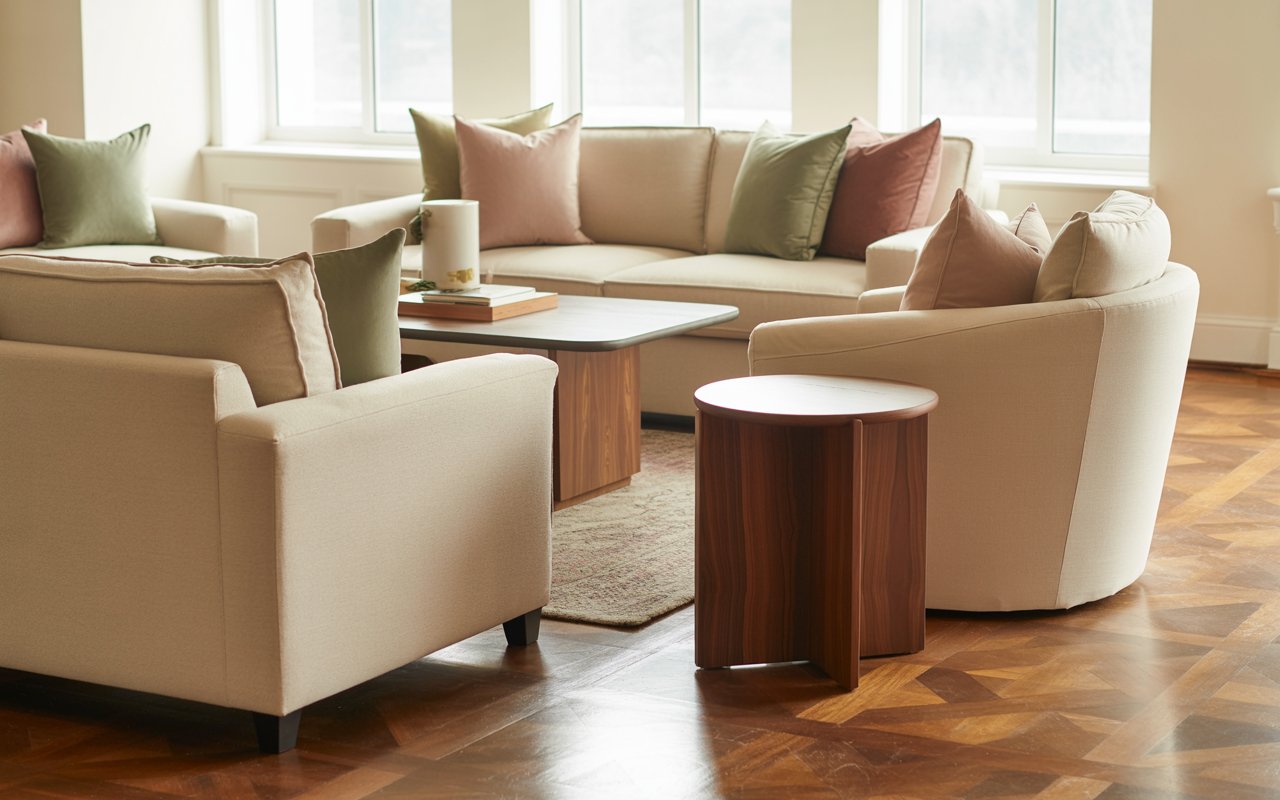
Your living room is more than just another part of the house. It is where families gather, friends laugh together, and quiet evenings unfold after long days. Think of it as the stage where daily life performs its most memorable moments. The furniture you choose sets the tone for everything that happens there. A carefully selected arrangement creates comfort, style, and function in one place.
Many people feel overwhelmed while shopping for furniture because there are endless designs, materials, colors, and layouts available. The good news is that choosing the right arrangement does not need to feel complicated. Once you understand the basics and know what suits your lifestyle, the process becomes much easier.
This guide explores everything you need to know, from styles and materials to layouts and maintenance tips.
Understanding What a Living Room Set Includes
A furniture package usually contains matching pieces designed to create a balanced appearance throughout your room. While contents vary, standard combinations often include:
Sofa
The sofa acts as the main seating area and often becomes the centerpiece of the room.
Loveseat
A loveseat is a smaller seating option suitable for couples or compact areas.
Accent Chairs
Additional chairs add personality and extra seating capacity.
Coffee Table
This serves both decorative and practical purposes.
Side Tables
These create convenient spots for lamps, books, or beverages.
Entertainment Units
Many collections include storage solutions for electronics and accessories.
The goal is not simply filling a room with furniture. Instead, each piece should work together like instruments in an orchestra creating harmony.
Why Choosing the Right Furniture Matters
Furniture influences far more than appearance.
Comfort
A beautiful sofa means very little if nobody wants to sit on it. Comfort affects how often people gather and enjoy the space.
Functionality
Families with children may need durable fabrics and additional storage. People living alone might prioritize aesthetics.
Long-Term Value
Quality furniture often lasts years, making it a practical investment rather than a temporary purchase.
Mood
Colors and textures can shape how a room feels. Bright shades feel energetic while softer tones create relaxation.
Popular Furniture Styles for Modern Homes
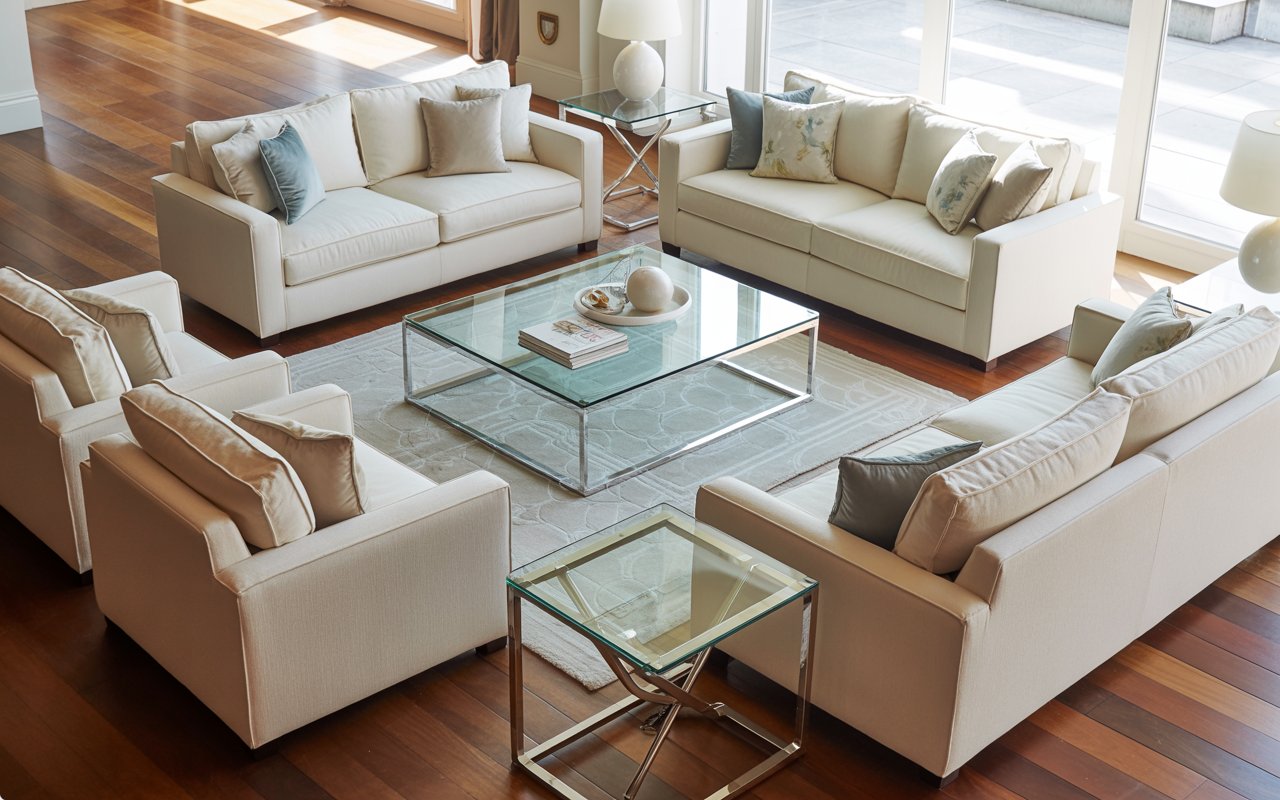
Different styles appeal to different personalities. Understanding them helps narrow your choices.
Contemporary Style
Contemporary designs focus on simplicity and clean lines.
Features often include:
- Neutral shades
- Smooth surfaces
- Minimal decorations
- Sleek shapes
This style works well for people who prefer uncluttered spaces.
Traditional Style
Traditional arrangements emphasize classic beauty.
Common elements include:
- Rich wood details
- Curved edges
- Elegant fabrics
- Decorative patterns
Traditional interiors often feel warm and welcoming.
Modern Style
Modern designs prioritize functionality with straightforward aesthetics.
Characteristics include:
- Geometric shapes
- Open layouts
- Minimal accessories
Rustic Style
Rustic furniture creates a natural and cozy atmosphere.
Typical features include:
- Wooden textures
- Earthy colors
- Distressed finishes
Industrial Style
Industrial spaces combine urban and raw design elements.
Examples include:
- Metal frames
- Exposed structures
- Neutral tones
How Room Size Affects Your Selection
Not every furniture arrangement suits every space.
Small Spaces
Smaller areas require smart planning.
Helpful ideas include:
- Compact sofas
- Multipurpose furniture
- Lighter shades
- Open-leg designs
Large pieces can make a room feel crowded.
Medium Spaces
Medium-sized rooms provide flexibility. You can include:
- Sofa and loveseat combinations
- Accent seating
- Coffee tables
- Storage units
Large Spaces
Bigger rooms allow more creativity.
Possible additions include:
- Sectionals
- Extra chairs
- Console tables
- Decorative furniture
Empty corners in large rooms may feel awkward without proper planning.
Choosing Materials That Match Your Lifestyle
Materials influence comfort, maintenance, and durability.
Leather
Leather creates a luxurious appearance.
Advantages:
- Easy cleaning
- Long-lasting quality
- Timeless style
Disadvantages:
- Higher cost
- Temperature sensitivity
Fabric Upholstery
Fabric remains one of the most common choices.
Benefits:
- Wide color selection
- Soft feel
- Budget-friendly options
Limitations:
- Stains more easily
- Requires regular cleaning
Wood
Wood adds warmth and strength.
Popular types include:
- Oak
- Walnut
- Pine
- Maple
Metal Components
Metal frames create durability and contemporary appeal.
Selecting the Best Color Palette
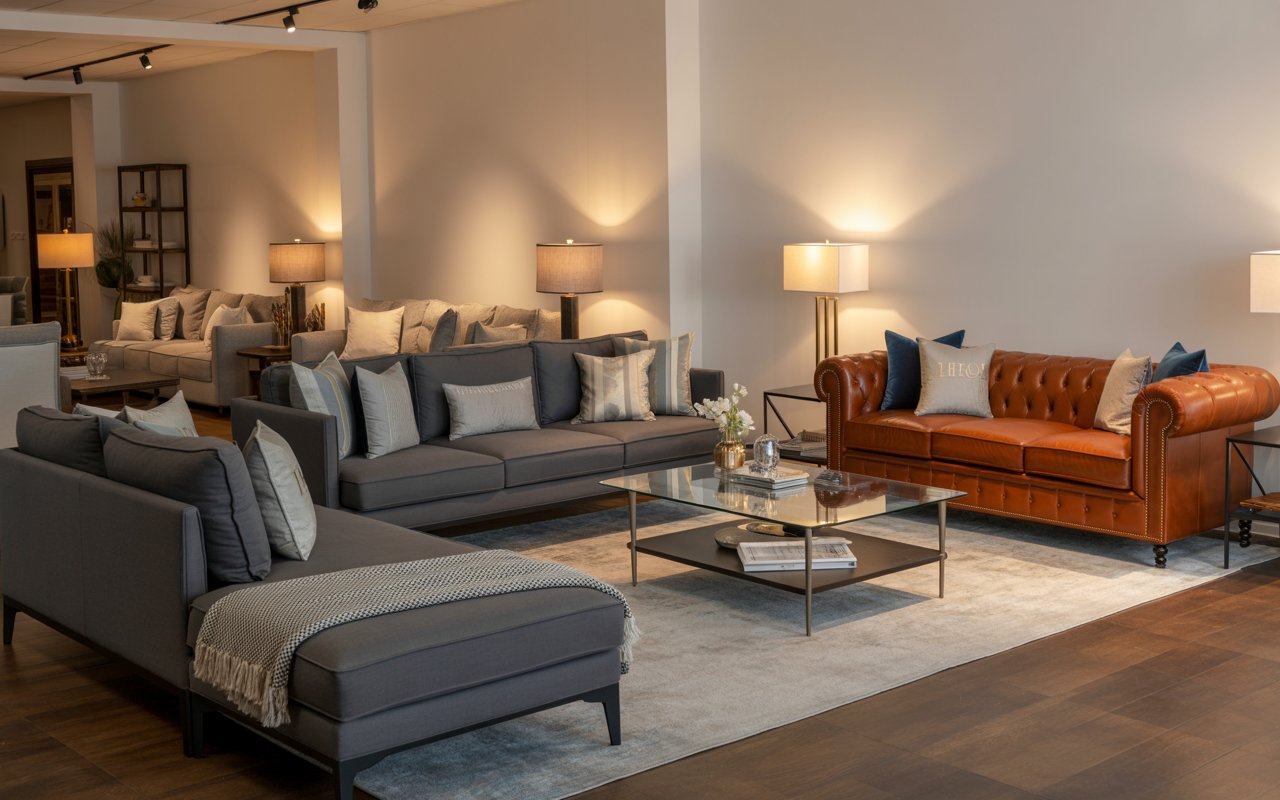
Color changes everything.
Neutral Shades
Examples:
- Beige
- Gray
- White
- Cream
Benefits include flexibility and timeless appeal.
Bold Colors
Examples:
- Navy
- Emerald
- Mustard
- Burgundy
Bold choices create personality and visual impact.
Earth Tones
Examples:
- Brown
- Olive
- Terracotta
These shades create comfort and natural warmth.
A useful approach is choosing larger furniture in neutral shades and introducing stronger colors through accessories.
Layout Ideas That Improve Flow
Arrangement matters just as much as furniture itself.
Conversation Layout
Arrange seating so people can comfortably face each other.
Suitable for:
- Families
- Guests
- Social gatherings
Entertainment Layout
Position seating toward the television or focal point.
Ideal for:
- Movie nights
- Gaming
- Sports viewing
Open Layout
Open concepts create movement and spaciousness.
Use rugs and tables to define different areas.
The Importance of Storage Features
Modern homes often require furniture that does more than provide seating.
Hidden Compartments
Many ottomans include storage beneath cushions.
Shelving Units
Built-in shelves help organize:
- Books
- Decorative items
- Electronics
Multi-Purpose Furniture
Examples include:
- Storage benches
- Lift-top tables
- Modular designs
These solutions reduce clutter and maximize space.
Budget Planning Before Shopping
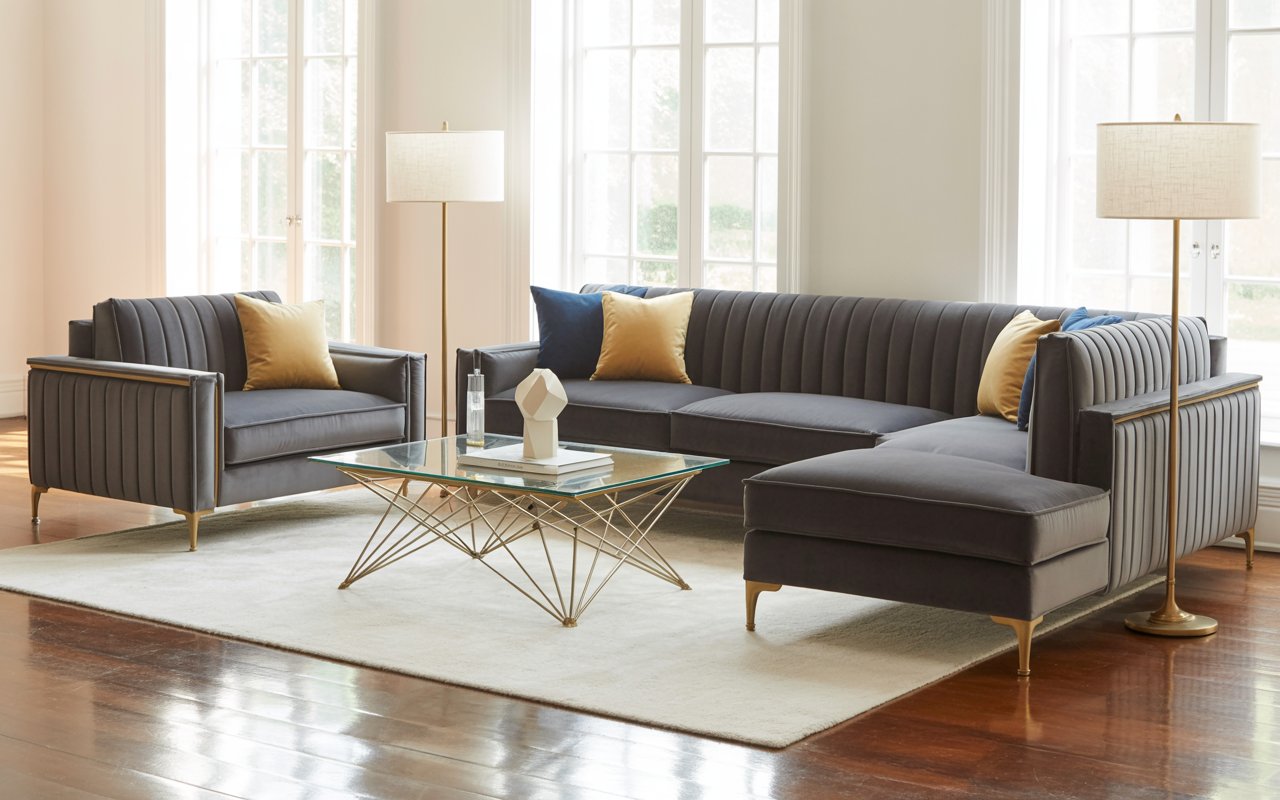
Many buyers make the mistake of shopping first and budgeting later.
Consider these categories:
Entry-Level Furniture
Affordable options for temporary needs or first homes.
Mid-Range Choices
Balance between cost and quality.
Premium Pieces
Higher-end products often include:
- Better materials
- Stronger frames
- Longer lifespan
Price alone does not determine quality. Construction details matter too.
Common Mistakes Buyers Should Avoid
Even beautiful furniture can become disappointing when basic mistakes happen.
Ignoring Measurements
Measure:
- Room dimensions
- Doorways
- Staircases
- Hallways
Furniture that cannot fit through the entrance creates unnecessary stress.
Choosing Style Over Comfort
Appearance matters, but comfort affects daily life.
Following Trends Blindly
Trends change quickly. Timeless choices usually remain appealing longer.
Overcrowding the Room
Leaving open space improves movement and visual balance.
Tips for Maintaining Furniture for Years
Good maintenance protects your investment.
Vacuum Regularly
Dust and debris can damage fabrics over time.
Rotate Cushions
Rotation prevents uneven wear.
Avoid Direct Sunlight
Strong sunlight may fade colors and weaken materials.
Use Protective Covers
Protective measures reduce stains and accidental damage.
Clean Spills Quickly
Fast action prevents permanent marks.
Small maintenance habits often add years to furniture life.
Creating a Personalized Space
Furniture should reflect who you are rather than simply following trends.
Add personality through:
- Decorative pillows
- Artwork
- Plants
- Lighting
- Textures
- Rugs
Imagine your room as a blank canvas. Furniture creates the outline, but personal touches add the color and character.
Your home should feel lived in rather than displayed like a showroom.
Conclusion
Choosing the right living room set is about creating a space where comfort and function work together naturally. The perfect arrangement depends on your room size, personal taste, daily routine, and budget. Rather than focusing only on appearance, think about how the furniture will fit into everyday life.
A well-designed room becomes more than a collection of chairs and tables. It becomes a place where conversations happen, memories are created, and ordinary days become meaningful. When chosen carefully, furniture turns a simple room into the heart of the home.
FAQs
1. How long should quality living room furniture last?
High-quality furniture can often last between seven and fifteen years or longer depending on materials, usage, and maintenance.
2. Which color works best for most homes?
Neutral shades such as gray, beige, and cream work well because they easily match different decorations and styles.
3. Is leather better than fabric?
Leather offers durability and easy cleaning, while fabric provides more color choices and a softer feel.
4. How do I know if furniture is too large for my room?
Measure your room and leave enough space for comfortable movement around each piece.
5. Are modular furniture designs worth buying?
Yes, modular designs offer flexibility because they can adapt to different layouts and changing needs.