Curtains can completely change the mood of a room, but there’s one detail people often overlook—the curtain rod. It may seem like a small piece of hardware, yet it plays a huge role in both function and style. Think of it like the frame around a painting. Without the right frame, even beautiful artwork can lose its charm.
Whether you’re decorating a new home, upgrading your living room, or simply replacing old window fittings, understanding curtain rods can help you create a polished and practical space. From materials and mounting styles to design ideas and maintenance tips, this guide covers everything you need to know in simple and easy language.
Why Curtain Rods Matter in Home Décor
A curtain rod does more than hold fabric in place. It adds structure, balance, and personality to your windows. The right choice can make ceilings look taller, windows appear wider, and rooms feel more inviting.
Modern interiors often use decorative rods as part of the overall design theme. A sleek metallic finish may suit a contemporary apartment, while wooden hardware creates warmth in a rustic or traditional setting.
Beyond appearance, these fixtures also affect functionality. Strong support prevents sagging curtains, while proper installation ensures smooth opening and closing.
Different Types of Curtain Rods
Choosing the correct style becomes easier when you understand the main categories available.
Standard Rods
These are the most common options found in homes. They are simple, affordable, and suitable for lightweight curtains.
Standard rods usually come in adjustable sizes, making them practical for bedrooms, kitchens, and small living spaces.
Decorative Rods
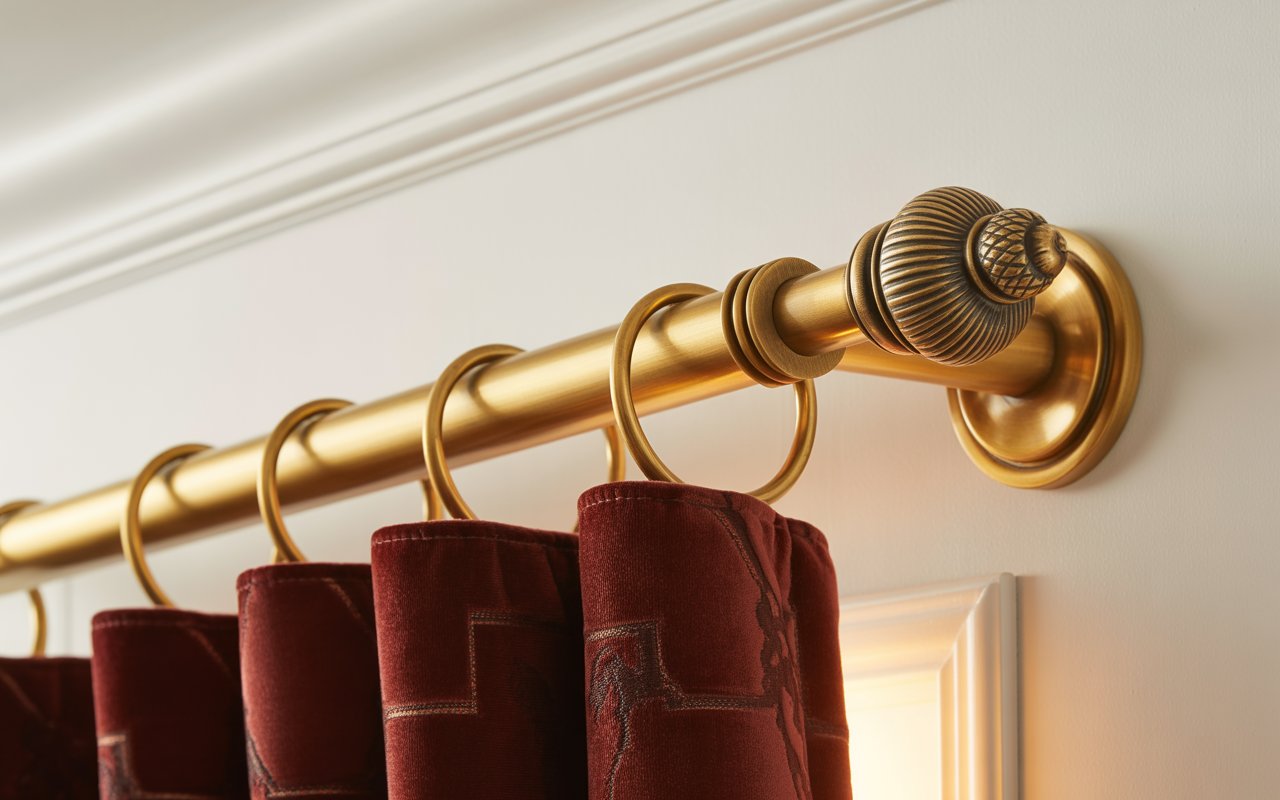
Decorative designs include stylish finials, textured finishes, and premium materials. These are often used when the rod itself is meant to be visible and part of the décor.
Popular finishes include:
- Matte black
- Brushed nickel
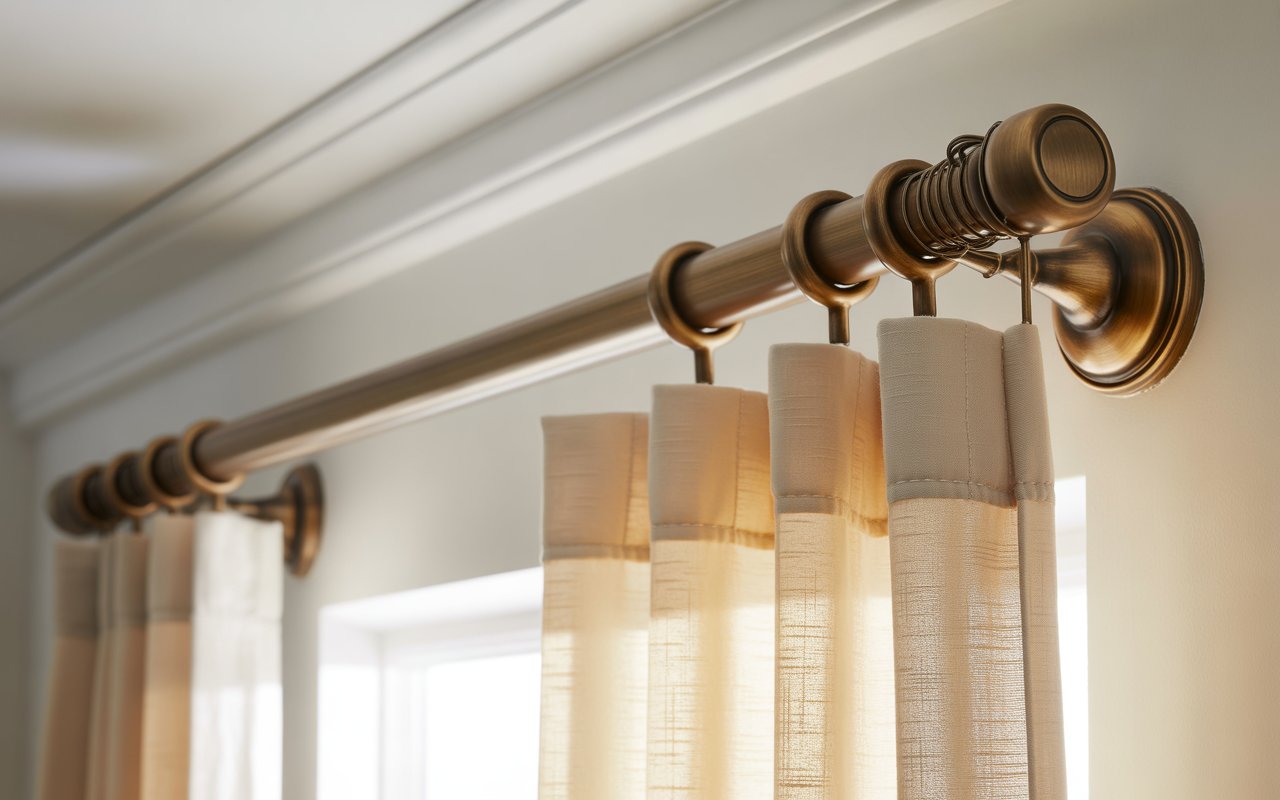
- Antique bronze
- Gold-tone metal
- Natural wood
Tension Rods
Tension rods are easy to install because they don’t require drilling. They use spring pressure to stay in place and work well in bathrooms, rental apartments, or temporary setups.
However, they are not ideal for heavy drapes.
Double Rods
Double rods allow homeowners to hang two layers of fabric. Usually, sheer panels go behind thicker blackout curtains.
This setup provides:
- Better light control
- Enhanced privacy
- A luxurious layered appearance
Traverse Rods
Traverse systems use clips or tracks that allow curtains to slide smoothly across the window. They are commonly used for large windows and formal drapery.
Choosing the Right Material
Material affects durability, appearance, and strength. Let’s look at the most common options.
Metal Rods
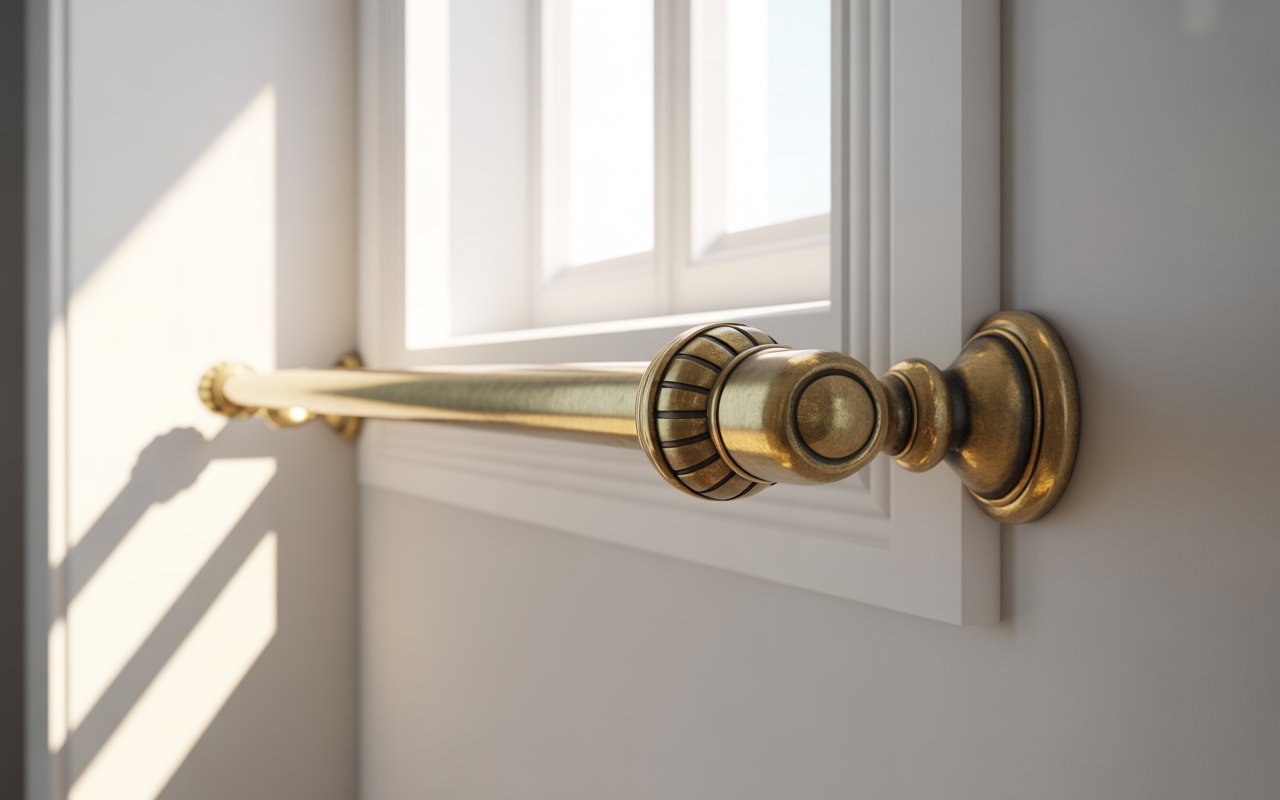
Metal designs are strong, modern, and versatile. Stainless steel and iron are particularly durable and support heavier fabrics.
These are ideal for:
- Blackout curtains
- Velvet drapes
- Large windows
Wooden Rods
Wood adds warmth and elegance. It pairs beautifully with farmhouse, rustic, and classic interiors.
Dark walnut finishes create a rich traditional look, while lighter woods feel airy and relaxed.
Plastic Rods
Plastic options are lightweight and budget-friendly. They are often used in bathrooms or temporary spaces but may not last as long as metal or wood.
How to Pick the Correct Size
One of the biggest mistakes people make is choosing the wrong rod size. A rod that is too short or too thin can ruin the overall look.
Measure Window Width Properly
Always extend the rod several inches beyond each side of the window frame. This allows curtains to stack neatly without blocking natural light.
A good rule is to add:
- 6 to 12 inches on each side
This creates the illusion of larger windows.
Consider Curtain Weight
Heavy fabrics require thicker and sturdier rods. Thin hardware may bend over time under excessive weight.
Height Placement Matters
Mounting the rod higher than the window frame makes ceilings appear taller. Many designers install rods close to the ceiling for a dramatic effect.
Popular Curtain Rod Styles for Modern Homes
Interior trends continue to evolve, and window hardware has become more stylish than ever.
Minimalist Designs
Simple straight rods with clean finishes suit modern apartments and Scandinavian interiors.
Black and matte finishes remain especially popular.
Industrial Style
Industrial décor often features iron hardware with exposed brackets and rugged textures.
These pair well with brick walls, concrete surfaces, and neutral tones.
Classic Decorative Finials
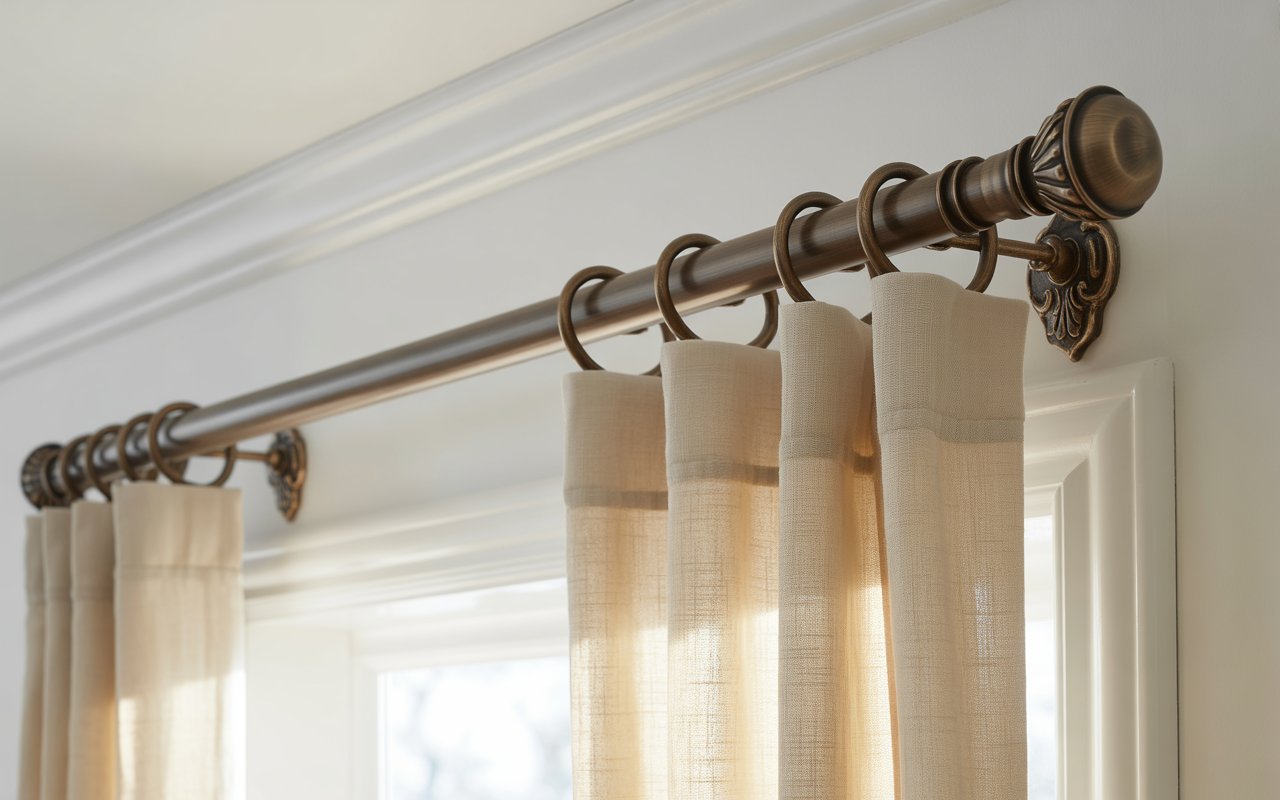
Traditional homes often use ornate ends shaped like:
- Spheres
- Leaves
- Crystals
- Scrolls
These details add elegance and sophistication.
Hidden Rod Systems
Some homeowners prefer concealed tracks where the hardware is barely visible. This creates a clean and seamless appearance.
Installation Tips for Better Results
Even the best curtain rod can look poor if installed incorrectly.
Use Proper Wall Anchors
Drywall alone may not support heavy curtains. Strong anchors prevent brackets from loosening over time.
Check Level Alignment
A crooked rod can make an entire room feel off-balance. Always use a level during installation.
Support Wide Windows
Long rods may sag in the middle. Adding a center bracket provides extra support.
Leave Enough Clearance
Curtains should move freely without rubbing against the wall or window trim.
Best Curtain Rods for Different Rooms
Each room has different needs, so the ideal rod style can vary.
Living Room
Decorative metal or wooden rods work beautifully in living areas. Layered curtains add depth and sophistication.
Bedroom
Bedrooms benefit from sturdy rods that can hold blackout panels for better sleep and privacy.
Kitchen
Kitchen windows usually look best with lightweight café curtains and compact rods.
Bathroom
Rust-resistant tension rods are practical for humid environments.
Matching Curtain Rods With Curtain Styles
Harmony between fabric and hardware creates a balanced interior design.
Sheer Curtains
Thin and delicate fabrics pair well with slim rods and minimal brackets.
Heavy Drapes
Luxurious fabrics need thick hardware with strong mounting support.
Grommet Curtains
These slide directly onto the rod, so decorative finishes become highly visible.
Tab-Top Panels
Wooden rods often complement casual tab-top curtains beautifully.
Common Mistakes to Avoid
Many homeowners unintentionally make design mistakes that affect the final look.
Choosing Style Over Strength
A beautiful rod is useless if it cannot support the curtain weight.
Ignoring Room Proportion
Tiny rods on large windows can appear awkward and unbalanced.
Mounting Too Low
Low placement can make ceilings feel shorter and rooms look cramped.
Using the Wrong Finish
Hardware should complement nearby elements like door handles, lighting fixtures, or furniture accents.
Curtain Rod Maintenance and Care
Proper care helps window hardware last for years.
Dust Regularly
Dust buildup can dull finishes and affect smooth curtain movement.
Use a soft microfiber cloth for cleaning.
Prevent Rust
In humid rooms, moisture-resistant materials are essential. Wipe metal surfaces dry if condensation appears.
Tighten Loose Brackets
Over time, screws may loosen due to repeated curtain movement. Periodic checks prevent accidents.
Lubricate Moving Parts
Traverse systems may need occasional lubrication for smoother operation.
Budget-Friendly Decorating Ideas
You don’t need a huge budget to create stylish windows.
Mix Affordable Hardware With Premium Curtains
Even simple rods can look elegant when paired with quality fabric.
Paint Existing Rods
A fresh coat of paint can completely transform outdated hardware.
Use DIY Finials
Creative homeowners often customize rod ends using decorative objects like wooden knobs or geometric shapes.
Repurpose Materials
Some rustic interiors use pipes or reclaimed wood as creative alternatives to traditional rods.
Smart Curtain Rod Innovations
Technology has even entered the world of window treatments.
Motorized Rods
Motorized systems allow curtains to open and close automatically using a remote or smartphone.
These are especially useful for:
- Large windows
- Smart homes
- Hard-to-reach areas
Adjustable Expandable Systems
Expandable rods make installation easier and fit various window sizes without custom cutting.
Noise-Reducing Tracks
Modern tracks are designed for quieter movement, improving comfort in bedrooms and offices.
How Curtain Rods Influence Interior Atmosphere
It’s surprising how much impact window hardware has on the feeling of a room.
Dark finishes create bold contrast and drama. Metallic tones bring elegance and shine. Wooden textures add warmth and comfort.
A well-chosen rod can tie together furniture, flooring, and textiles into one cohesive design. It acts like the silent backbone of your window décor—rarely noticed directly, yet essential to the entire structure.
When combined with the right curtains, lighting, and colors, the result can transform an ordinary room into a cozy and stylish retreat.
Conclusion
Curtain rods may seem like a small detail, but they carry both functional and decorative importance. The right choice supports your curtains properly, enhances the beauty of your windows, and improves the overall atmosphere of your home.
From sleek modern metal rods to classic wooden styles, there are countless options to match every interior design preference. By selecting the proper size, material, and installation method, you can create a polished and comfortable living space that feels thoughtfully designed.
Whether you prefer minimalist elegance or bold decorative accents, investing time in choosing the right curtain hardware can make a surprisingly big difference.
FAQs
What is the best material for curtain rods?
Metal rods are generally the strongest and most durable, while wooden rods offer a warmer and more traditional appearance.
How high should curtain rods be installed?
Most designers recommend installing rods several inches above the window frame or close to the ceiling to create the illusion of taller walls.
Can tension rods hold heavy curtains?
Tension rods are best for lightweight fabrics. Heavy curtains may cause them to slip or bend over time.
Do curtain rods need center support?
Yes, long rods usually require a center bracket to prevent sagging, especially when using thick or heavy curtains.
How do I match curtain rods with room décor?
Choose finishes and styles that complement furniture, lighting fixtures, and curtain fabrics for a balanced and cohesive appearance.