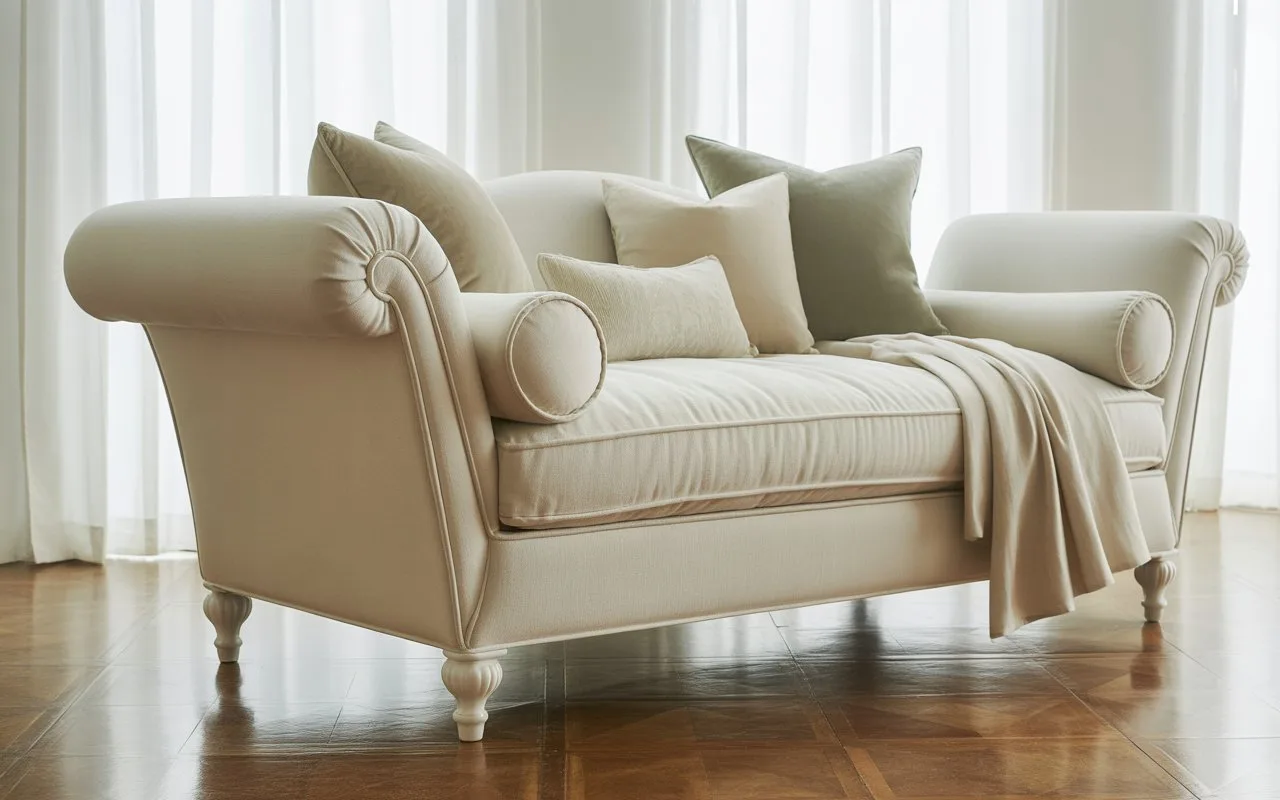
There was a time when I walked into a friend’s tiny apartment and thought, where does she even sleep? Everything looked too compact. Too tight. Then she showed me something in the corner. A simple setup. Nothing fancy at first glance.
“Sit here,” she said.
I did. Then I stayed longer than planned. Very long.
That corner wasn’t just seating. It was a resting place. A reading zone. Sometimes a guest bed. Sometimes just a place to think without thinking too much.
Funny thing is, I didn’t even notice it properly at first. That’s the charm. It blends in. Quietly useful.
In today’s homes where space is shrinking and life feels faster, people want furniture that does more. Something that doesn’t shout for attention but still works hard behind the scenes.
This is where this hybrid lounging furniture steps in. Not loud. Not complicated. Just… smart.
Let’s talk about it properly.
What Exactly Is This Piece of Furniture?
Okay, simple answer first.
It’s a mix between a sofa and a bed.
But that sounds too flat. Too technical.
Think of it like this: a sofa that got tired of being stiff… so it stretched itself out and said, “I can also be a bed if needed.”
It usually has a backrest. Sometimes sides. Sometimes none. Depends.
You sit on it during the day. You lie on it when you feel like disappearing into your thoughts for a while.
It doesn’t demand rules. That’s important.
Some furniture feels strict. Like, “don’t sleep here.” This one is more like, “go ahead, I don’t mind.”
The First Time You Actually Understand Its Value
I remember another story.
A cousin of mine moved into a small studio apartment. One room. Kitchen in the corner. Bed? Technically yes, but also no space for guests.
One evening, we visited.
She pulled out blankets and said casually, “You can sleep there.”
I laughed. “Where?”
Then she showed it.
It looked like a simple seating area in daytime. But later, it became a sleeping spot. No drama. No rearranging half the house.
That moment stuck with me.
Because that’s when you realize—this thing isn’t about furniture. It’s about flexibility in real life situations.
And real life is messy like that.
Why People Are Quietly Loving It
Let’s not make it complicated.
People are busy. Homes are smaller. Rent is high. Space feels expensive now.
So one object doing two or three jobs? That’s attractive.
Here’s what people don’t always say out loud but feel:
- “I don’t have space for a guest room”
- “I want my room to feel open, not crowded”
- “I need something that adapts, not something rigid”
This furniture kind of listens to that.
Not perfectly. But enough.
Also… it just feels relaxed. Not formal. Not serious. That matters more than people admit.
Different Styles You’ll Come Across
Walk into a furniture shop and you’ll see many versions.
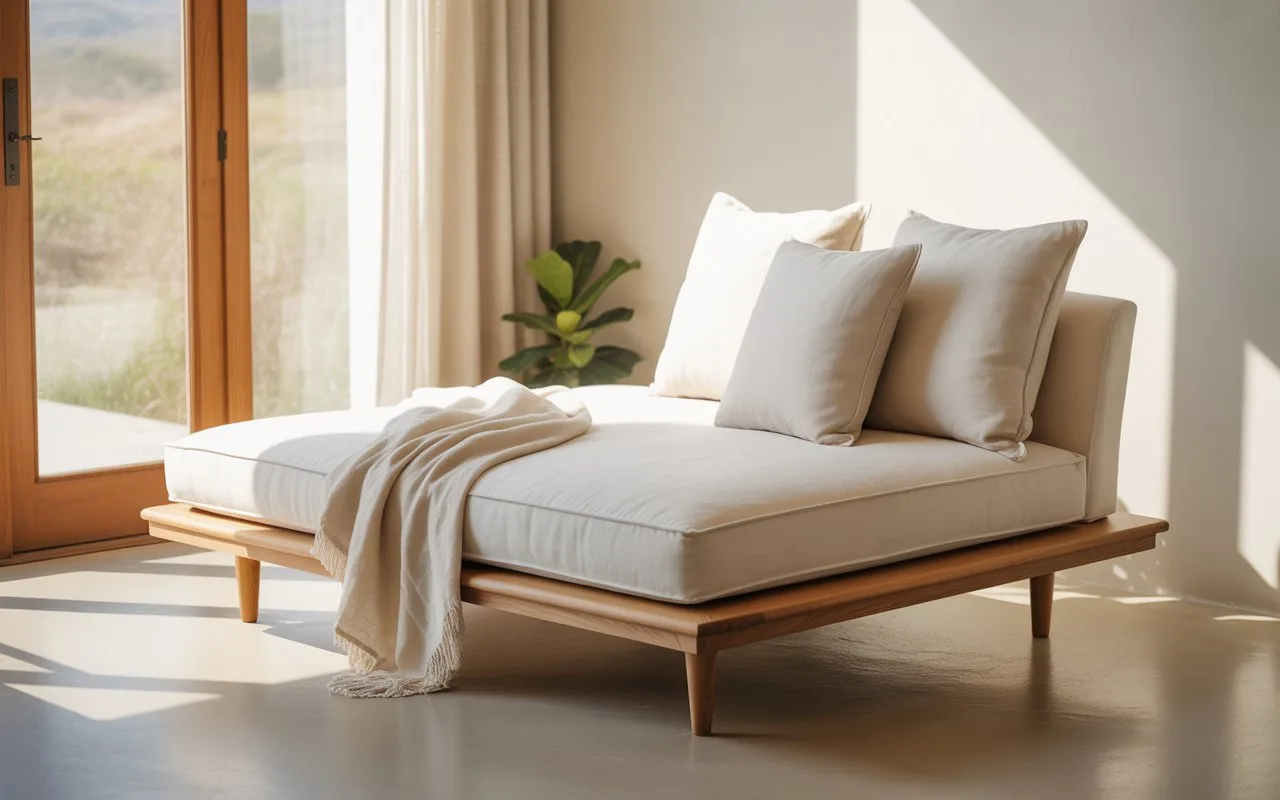
Some are wooden. They feel warm. A bit traditional. Like something your grandparents would approve of.
Some are metal. Clean lines. Modern. Slightly cold but stylish.
Some are soft and padded. These ones feel like they’re trying to hug you back.
Then there are ones with hidden pull-out beds. Sneaky ones. You don’t notice until you need them.
Outdoor versions exist too. They look like they belong near sunlight and slow afternoons.
Honestly, they all serve the same idea. Just different moods.
Where It Actually Fits in a Home
This is where things get interesting.
You might think it belongs only in bedrooms.
Not really.
It can sit in a living room. Quietly doing double duty.
It can go in a study room too. Imagine working all day… then lying down for five minutes without leaving the room. Dangerous in a good way.
Even balconies sometimes. If you have space and weather allows it.
The truth is, it doesn’t demand a specific identity.
It adapts.
That’s rare in furniture.
The Material Story Nobody Talks About
People often pick furniture based on looks.
Then regret it later.
Material matters more than people think.
Wood feels stable. Heavy. Honest.
Metal feels modern. Slightly industrial. Strong but not warm.
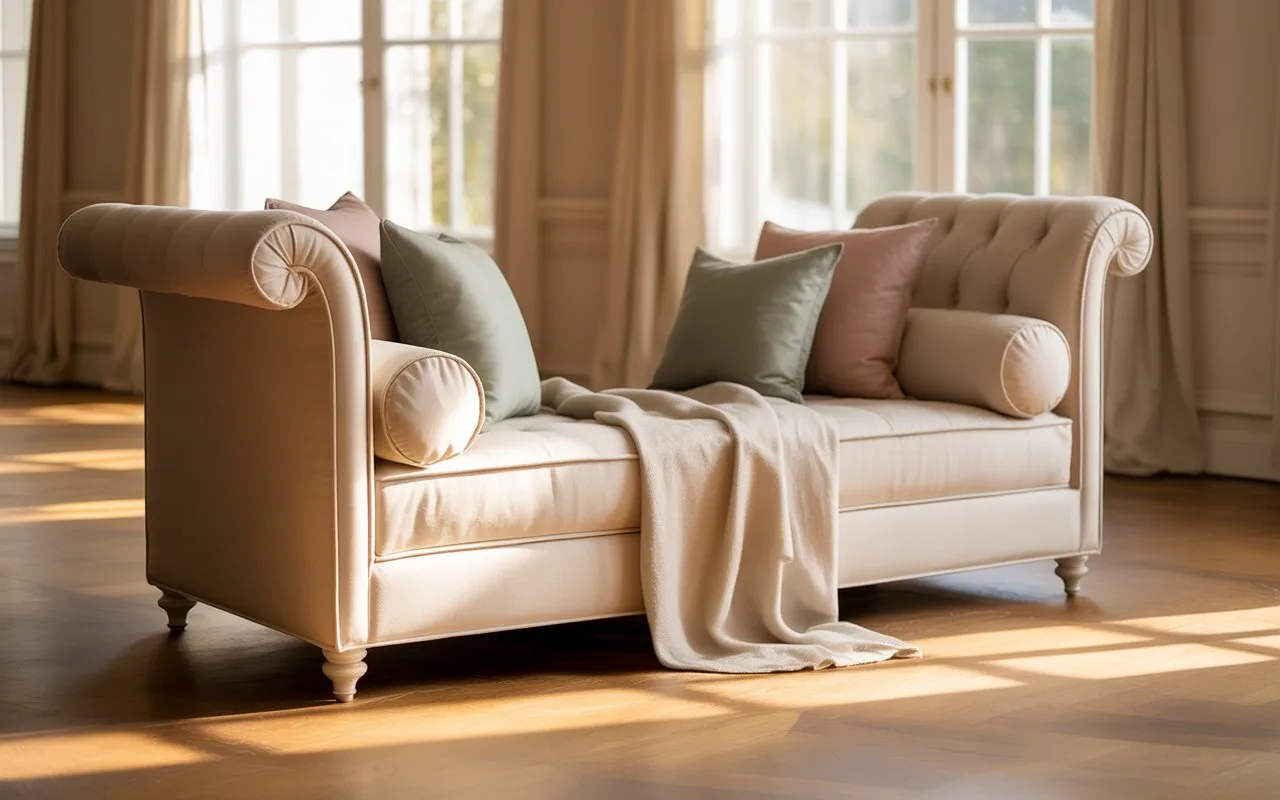
Fabric-covered ones feel cozy. But they need care. Spills? They remember.
Leather looks rich. But it ages differently. Some people love that, some don’t.
There is no perfect choice. Only better fit for your lifestyle.
That’s the truth.
Comfort: The Real Test
Let’s be honest.
If it’s not comfortable, nothing else matters.
You can ignore style. You can ignore design.
But comfort? No.
The mattress or cushioning decides everything.
Too hard? You won’t use it.
Too soft? You’ll sink and regret it after a while.
Somewhere in between is the sweet spot. Not scientific. Just something your body understands instantly.
I once tried one that looked amazing but felt like a wooden bench with ambition. Never again.
How People Actually Use It Daily
This part is interesting because nobody uses it in just one way.
Morning: sitting with tea.
Afternoon: quick rest. Maybe scrolling phone too long.
Evening: guests sitting casually.
Night: sleep or movie marathon that turns into sleep anyway.
It becomes a habit without trying.
And habits are powerful.
Styling It Without Overthinking
People overcomplicate decoration.
Honestly, don’t.
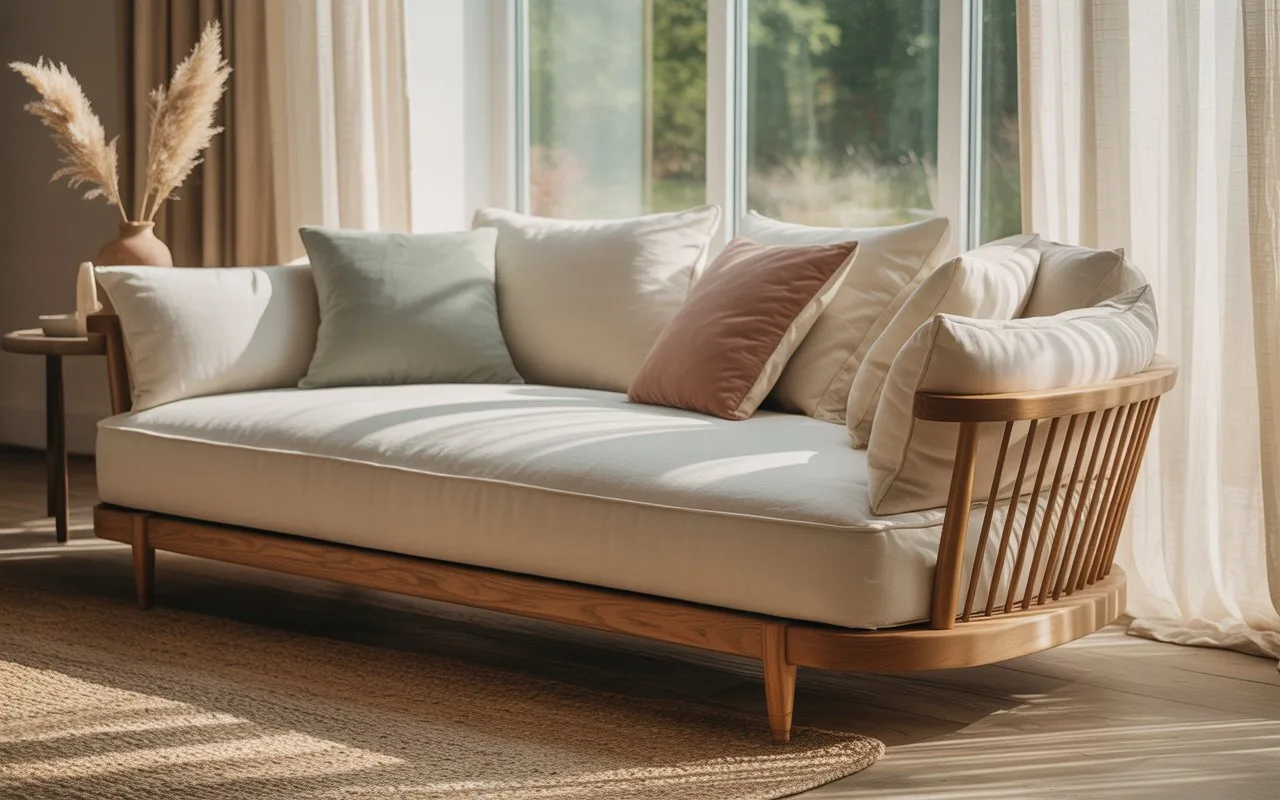
Add a few cushions. Not too many. Don’t turn it into a pillow shop.
A throw blanket helps. Slightly messy is good. Too perfect feels fake.
A small lamp nearby changes everything. Warm light. Soft mood.
Sometimes, a plant beside it is enough. Green makes things feel alive.
That’s it. Done.
No design degree needed.
Small Spaces, Big Impact
If you live in a small place, this becomes more than furniture.
It becomes strategy.
Because you’re constantly negotiating space. “Where do I sit?” “Where do guests go?” “Where do I rest?”
One piece solving multiple problems reduces stress.
And that’s the real win.
Not luxury. Not style.
Just breathing room.
Outdoor Moments That Feel Different
There’s something special about lying outside on a quiet evening.
Wind moving slowly. Light fading. No rush.
Outdoor versions of this furniture bring that experience home.
Balcony. Terrace. Garden corner.
You don’t need a resort. Sometimes just a quiet corner is enough.
It turns ordinary evenings into something softer.
Buying It Without Regret Later
Let’s keep this simple.
Measure your space first. Seriously. People skip this too often.
Sit on it before buying if possible. Don’t just trust looks.
Think about usage. Daily? Occasional guests? Lazy weekends?
Check build quality. If it feels shaky in the store, it won’t magically become strong at home.
And don’t overpay for looks alone. Function matters more long-term.
Simple rule: if you can imagine using it daily without frustration, it’s probably right.
Maintenance: The Boring but Necessary Part
Nobody likes this section.
But here we are.
Dust it regularly. Fabric needs cleaning sometimes. Wood likes polish now and then.
Rotate cushions so they don’t get flat on one side.
Outdoor ones need covers. Otherwise weather slowly wins.
It’s not hard. Just consistent.
Like watering a plant. Forget once, it survives. Forget always, it doesn’t.
Conclusion
In the end, this isn’t just about a piece of furniture.
It’s about how people live now.
Smaller homes. Faster lives. Constant need for flexibility.
And in that chaos, something simple quietly helps.
It doesn’t try to impress anyone. It just works. Day after day.
Sometimes it’s a sofa. Sometime a bed. Sometimes just a place to sit and think too much about life.
Funny how one object can carry so many small moments.
And maybe that’s why people keep choosing it.
Not because it’s perfect.
But because it fits real life… imperfectly, comfortably, and honestly.
FAQs
1. Is this furniture only for small homes?
No. It works in big homes too. It just shines more in small spaces.
2. Can it be used every night for sleeping?
Yes, but comfort depends on mattress quality. Better ones feel like regular beds.
3. Is it difficult to maintain?
Not really. Basic cleaning and care is enough. Nothing too technical.
4. Does it replace a sofa completely?
In many cases, yes. But some people still prefer separate seating depending on space.
5. What makes it different from a normal bed?
It’s flexible. It’s not fixed in purpose. It moves between seating and sleeping naturally.